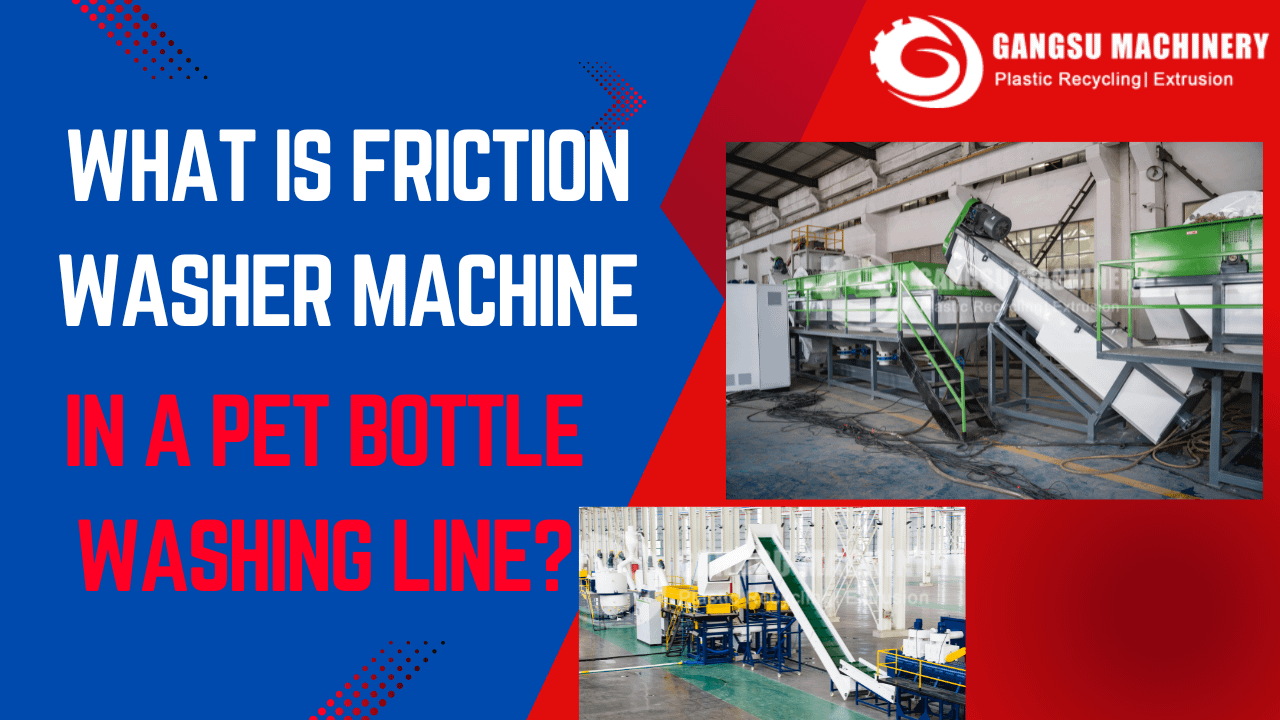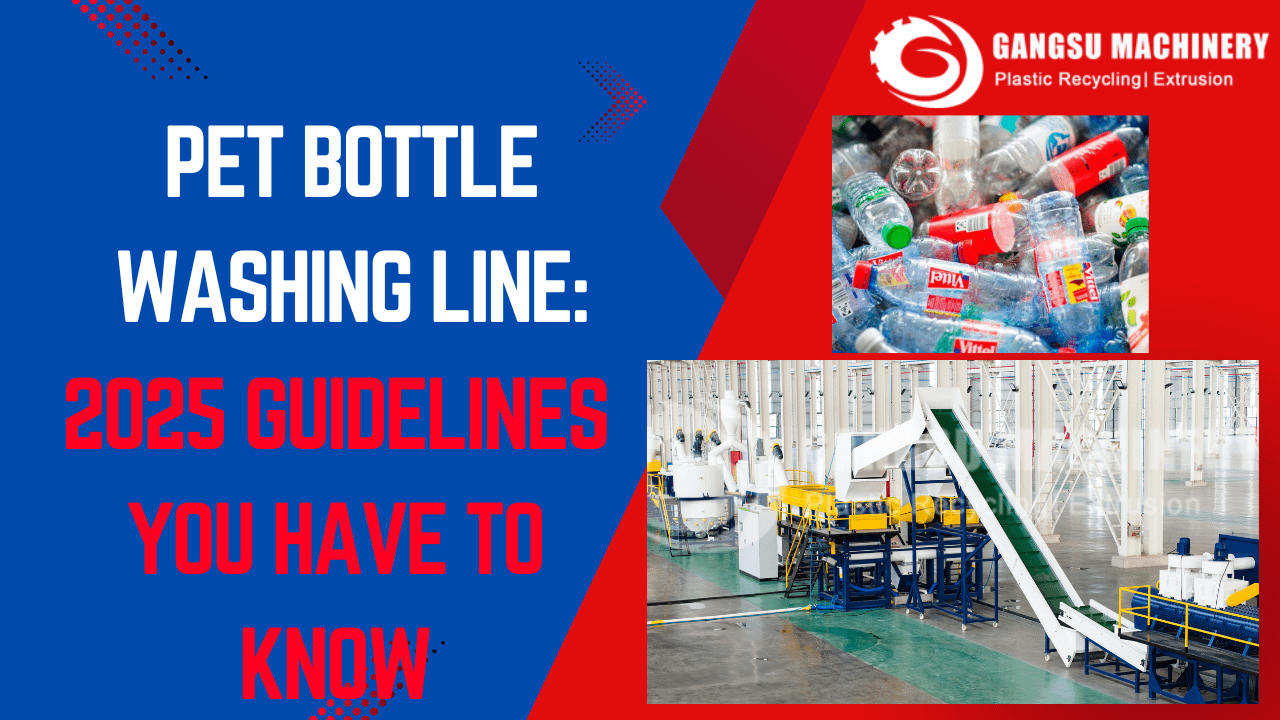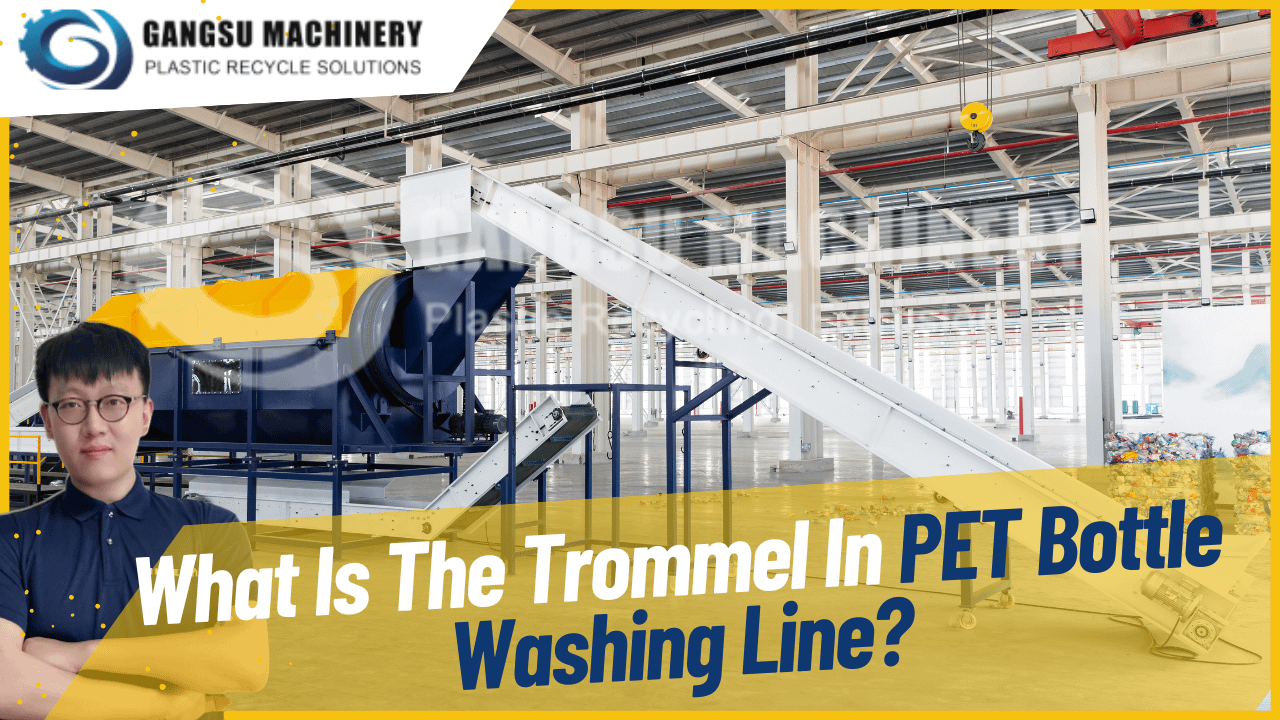
The plastics recycling industry is undergoing a transformation, driven by technological advancements, stricter regulations, and increasing demand for sustainable practices. By 2025, factories that fail to adapt to these changes risk falling behind. This guide provides a comprehensive roadmap for optimizing material handling, workforce management, and production processes to ensure your recycling plant remains competitive and profitable.
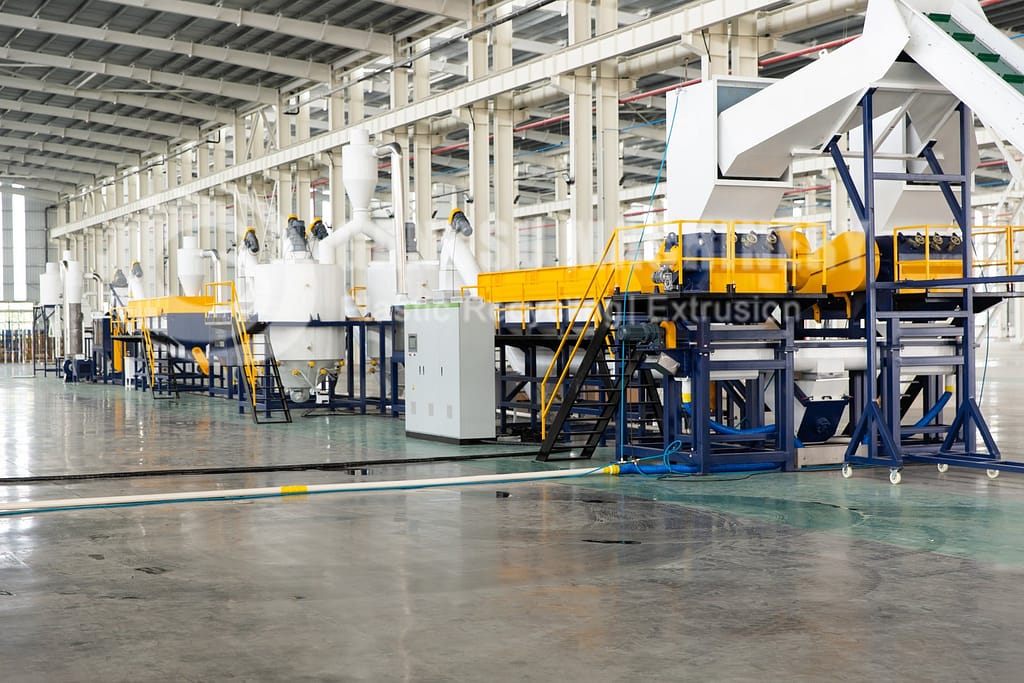
What types of plastics do I plan to recycle? What are their properties and cleaning requirements1?
Choosing the right types of plastics to recycle is the foundation of a successful operation. Each type of plastic has unique properties that determine how it should be processed and cleaned. For example, PET (Polyethylene Terephthalate)2 is commonly used in beverage bottles and requires high-temperature washing to remove food residues, while PVC (Polyvinyl Chloride)3 demands specialized handling due to its chlorine content.
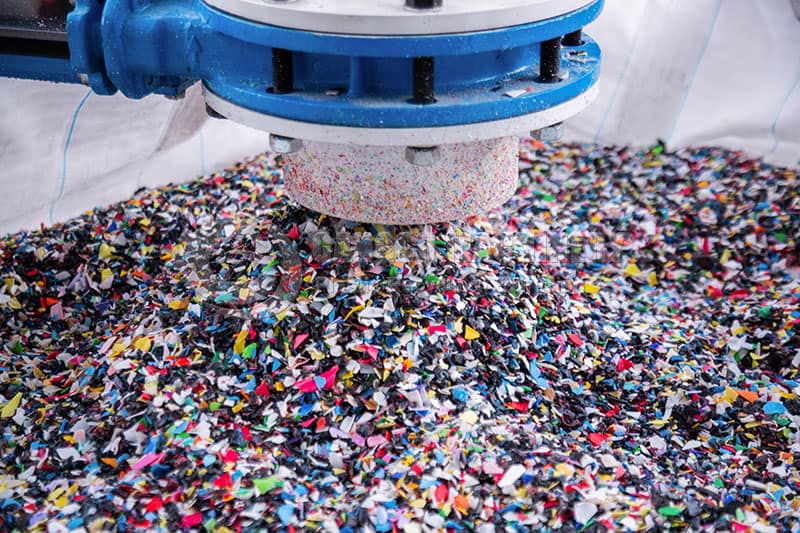
Detailed Properties and Cleaning Requirements
| Plastic Type | Properties | Cleaning Requirements | Common Applications |
|---|---|---|---|
| PET | Clear, strong, lightweight | High-temperature washing, detergents to remove labels and adhesives | Bottles, food containers |
| PP | Durable, heat-resistant | Mild detergent, low-temperature washing to preserve integrity | Automotive parts, toys |
| PE | Flexible, chemical-resistant | Moderate washing, avoid harsh chemicals to prevent degradation | Bags, films, pipes |
| PVC | Rigid, flame-resistant | Specialized cleaning to remove chlorine, avoid high temperatures | Pipes, flooring |
Understanding these properties ensures you choose the right cleaning and processing methods, reducing contamination and improving output quality. For instance, PET must be thoroughly cleaned to avoid yellowing, while PVC requires careful handling to prevent the release of harmful gases.
How do I sort and label recycled plastics?
Sorting is the backbone of efficient recycling. Automated sorting systems using near-infrared (NIR) technology can identify and separate plastics with 95% accuracy. Labeling systems should include barcodes or RFID tags for easy tracking.
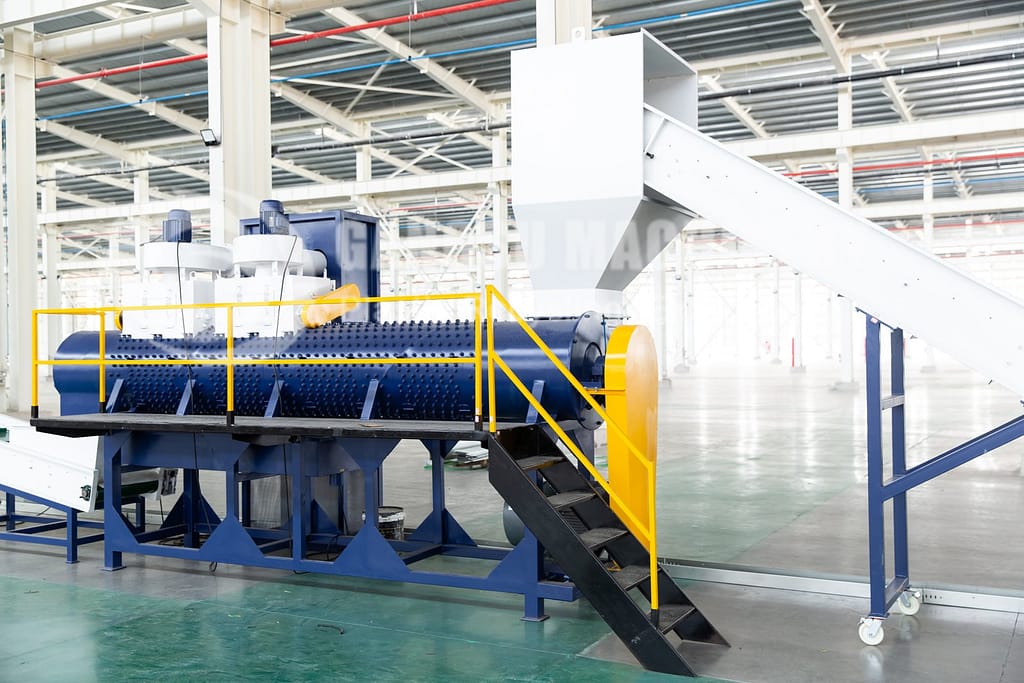
Sorting and Labeling Best Practices
- Pre-Sorting: Separate plastics by type before they enter the main processing line. This reduces the load on automated systems and improves accuracy.
- Automated Systems: Invest in NIR or AI-based sorting machines for higher accuracy. These systems can distinguish between different plastic types based on their chemical composition.
- Labeling: Use durable labels that withstand washing and processing. Barcodes or RFID tags can be scanned at each stage of the process for real-time tracking.
- Quality Control: Regularly audit sorted materials to ensure consistency. Implement a feedback loop to continuously improve sorting accuracy.
How do I store different types of plastics to avoid contamination and deterioration?
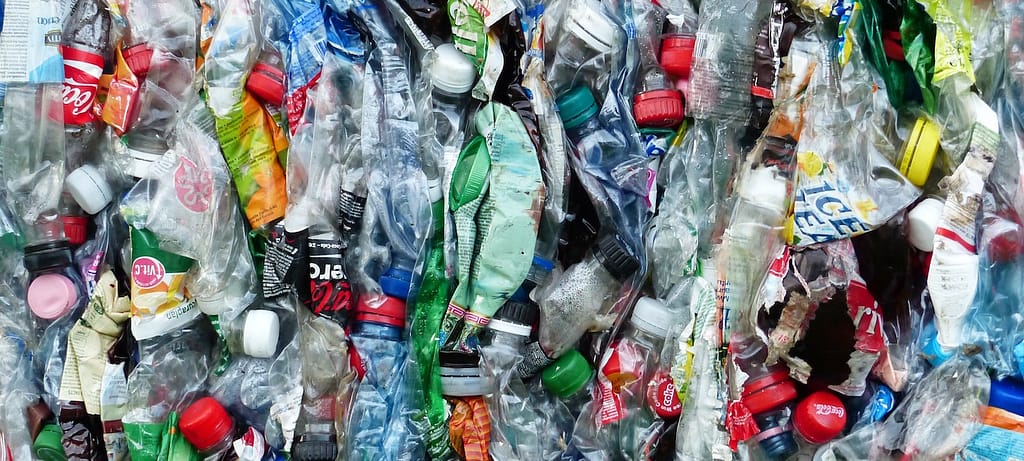
Proper storage prevents contamination and material degradation. For example, PET should be stored in dry conditions to avoid moisture absorption, while PVC must be kept away from heat sources to prevent degradation.
Storage Guidelines
| Plastic Type | Storage Conditions | Risks of Improper Storage |
|---|---|---|
| PET | Dry, cool environment | Moisture absorption, yellowing |
| PP | UV-protected area | Brittleness from UV exposure |
| PE | Ventilated space | Odor absorption, contamination |
| PVC | Cool, dark area | Degradation from heat and light |
Practical Tips for Storage
- Segregation: Store different types of plastics in separate areas to prevent cross-contamination.
- Climate Control: Use dehumidifiers and temperature controls to maintain optimal storage conditions.
- Inventory Management: Implement a first-in, first-out (FIFO) system to ensure older materials are used first.
How do I set up a material traceability system4 to ensure that the source of raw materials and product quality can be controlled?
Traceability is critical for quality control and regulatory compliance. Implementing a digital tracking system5 allows you to monitor materials from intake to final product.

Steps to Build a Traceability System
- Digital Tracking: Use barcodes or RFID tags to label materials at intake. This allows you to track each batch through the entire process.
- Centralized Database: Store all tracking data in a cloud-based system. This ensures data is accessible from anywhere and can be easily analyzed.
- Real-Time Monitoring: Integrate sensors to track material movement and processing stages. This provides real-time visibility into your operations.
- Reporting: Generate reports for quality audits and customer assurance. This helps you identify trends and areas for improvement.
What is the processing goal of pelleting?
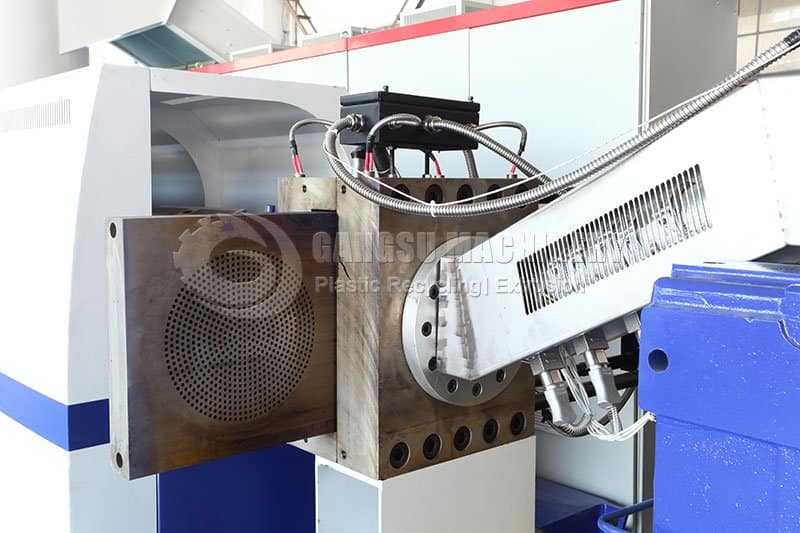
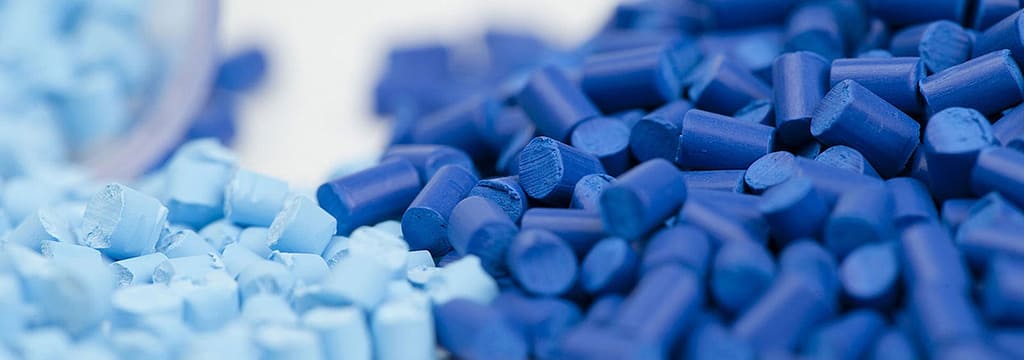
The primary goal of pelleting is to transform cleaned and sorted plastics into uniform pellets6 that can be used as raw material for new products. Consistency in size, shape, and quality is crucial.
Pelleting Process Overview
- Extrusion: Melt and homogenize the plastic. This ensures a consistent material for pelletizing.
- Filtering: Remove any remaining impurities. This step is critical for ensuring the quality of the final product.
- Pelletizing: Cut the melted plastic into uniform pellets. This can be done using underwater pelletizers or strand pelletizers.
- Cooling and Drying: Ensure pellets are ready for storage or shipment. Proper cooling prevents deformation and ensures consistency.
Quality Control in Pelleting
- Size Consistency: Use sieves to ensure pellets are within the specified size range.
- Color Uniformity: Monitor color to ensure consistency, especially for applications where appearance is important.
- Material Purity: Test pellets for contamination to ensure they meet customer specifications.
What positions are needed in my plant? What are the responsibilities of each position?
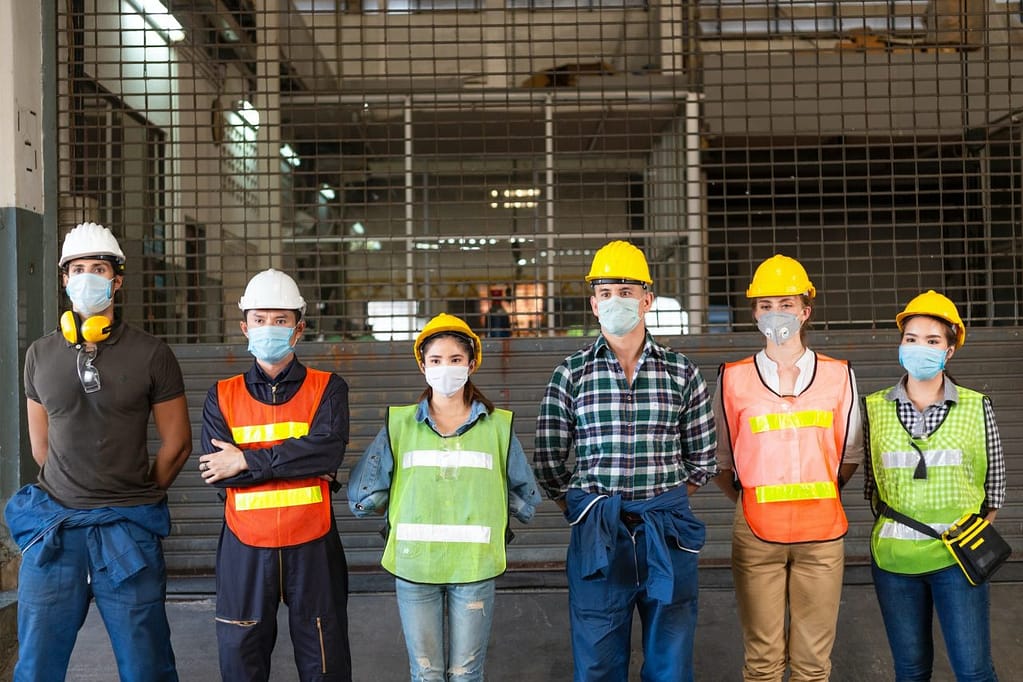
A well-structured team is essential for smooth operations. Key positions include plant managers, machine operators, quality control specialists, and maintenance technicians.
Key Positions and Responsibilities
| Position | Responsibilities |
|---|---|
| Plant Manager7 | Oversee operations, manage budgets, ensure compliance |
| Machine Operator | Operate and monitor recycling machinery |
| Quality Control Specialist8 | Inspect materials and final products |
| Maintenance Technician9 | Perform routine maintenance and repairs |
Additional Roles to Consider
- Safety Officer: Ensures compliance with safety regulations and conducts regular safety audits.
- Logistics Coordinator: Manages the transportation and storage of materials and finished products.
- Training Specialist: Develops and implements training programs for new and existing employees.
How do I train workers in plastic recycling washing skills and safety?
Training ensures workers handle materials safely and efficiently. Start with classroom sessions on safety protocols, followed by hands-on training with actual equipment.
Training Program Outline
- Safety Protocols10: Teach proper handling of chemicals and machinery. This includes the use of personal protective equipment (PPE) and emergency procedures.
- Washing Techniques11: Demonstrate effective cleaning methods for different plastics. This includes the use of detergents, temperature controls, and mechanical agitation.
- Equipment Operation12: Train workers on specific machines they’ll use. This includes startup, shutdown, and troubleshooting procedures.
- Ongoing Education: Provide regular refresher courses and updates. This ensures workers stay current with new technologies and best practices.
How can I develop reasonable performance appraisal standards13 to motivate workers to improve productivity?
Performance appraisals should be transparent and tied to measurable goals14. For example, reward operators who maintain high machine uptime or reduce material waste.

Appraisal Metrics
| Metric | Target | Reward Mechanism |
|---|---|---|
| Machine Uptime | 90% or higher | Monthly bonus |
| Material Waste Reduction | Less than 5% | Performance-based raises |
| Safety Compliance | Zero incidents per quarter | Recognition and awards |
Implementing a Fair Appraisal System
- Clear Criteria: Define measurable goals and communicate them to employees.
- Regular Feedback: Provide constructive feedback and recognize achievements.
- Career Development: Offer opportunities for advancement based on performance.
What is the process flow of plastic recycling and cleaning? What equipment is needed?
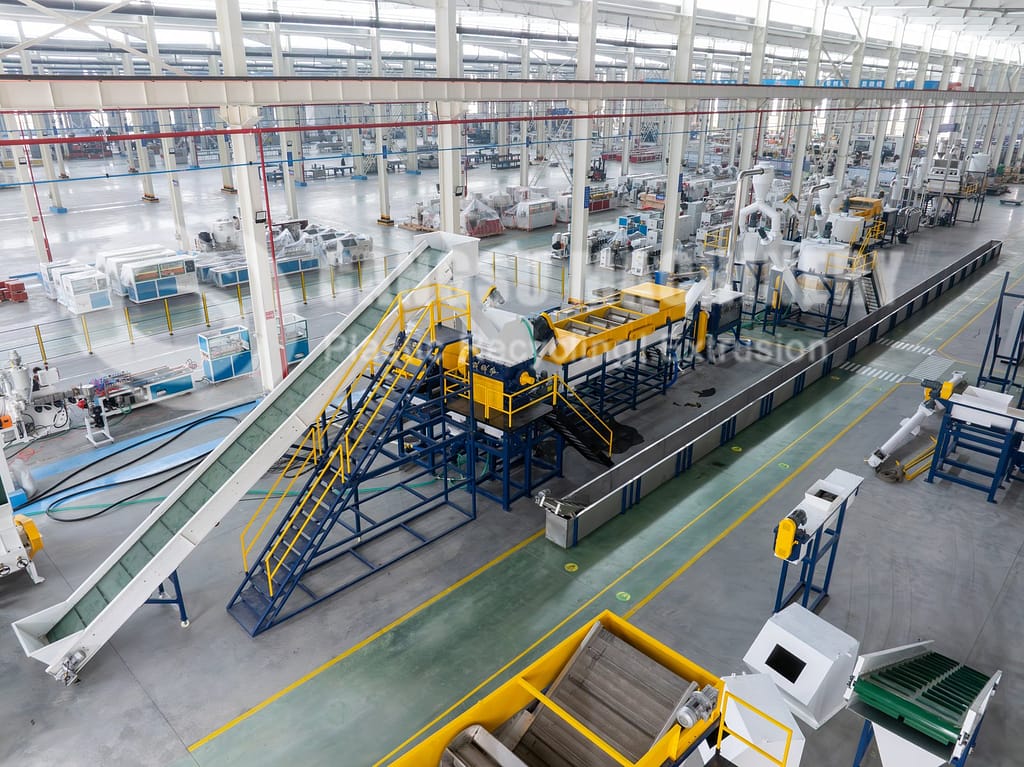
The process typically includes sorting, washing, shredding, extrusion, and pelleting. Essential equipment includes sorting machines, washers, shredders, extruders, and pelletizers.
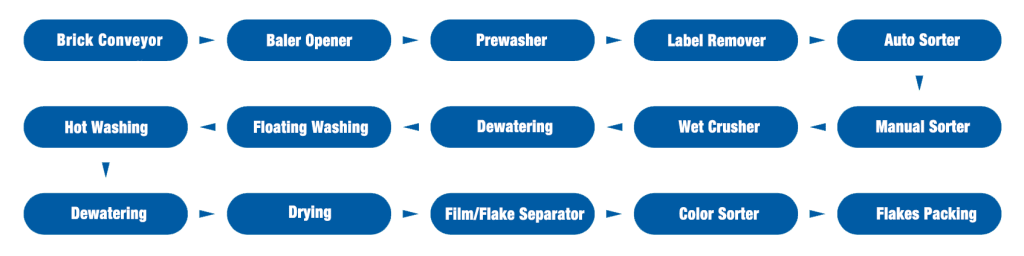
Process Flow and Equipment
- Sorting: NIR sorting machines.
- Washing: High-temperature washers and chemical baths.
- Shredding: Heavy-duty shredders.
- Extrusion: Twin-screw extruders.
- Pelletizing: Pelletizing machines.
Equipment Selection Tips
- Capacity: Choose equipment that matches your production volume.
- Energy Efficiency: Opt for machines with energy-saving features.
- Maintenance: Consider ease of maintenance and availability of spare parts.
How to manage the production site to ensure production safety and efficiency?
Implement a 5S system15 (Sort, Set in order, Shine, Standardize, Sustain) to organize the workspace and reduce hazards. Regular safety audits16 and equipment maintenance are also crucial.

5S Implementation Steps
- Sort: Remove unnecessary items from the workspace.
- Set in Order: Organize tools and materials for easy access.
- Shine: Clean the workspace regularly.
- Standardize: Create standard operating procedures.
- Sustain: Train workers to maintain the system.
Additional Safety Measures
- Emergency Exits: Ensure clear and accessible emergency exits17.
- Fire Safety: Install fire extinguishers and conduct regular fire drills.
- Machine Guards: Use guards to protect workers from moving parts.
How to control product quality to meet customer requirements?
Quality control starts with raw material inspection and continues through every stage of processing. Use standardized testing methods to ensure consistency.
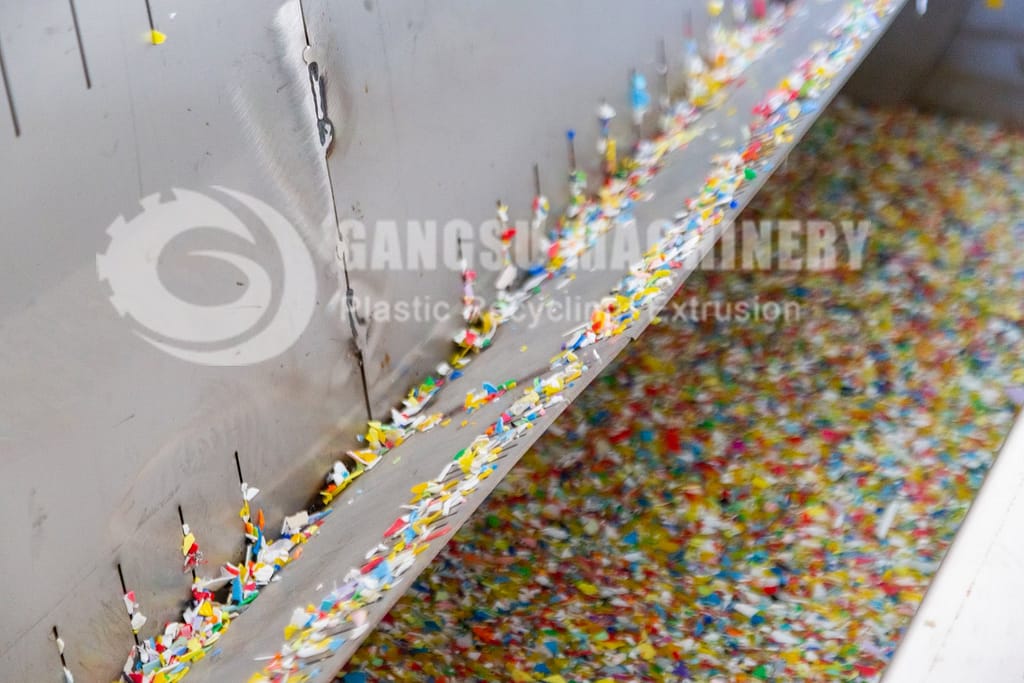
Quality Control Measures18
- Raw Material Inspection: Check for contamination and proper sorting.
- In-Process Testing: Monitor temperature, pressure, and other parameters.
- Final Product Testing: Verify pellet size, color, and purity.
Implementing a Quality Management System19
- Documentation: Keep detailed records of all quality checks.
- Continuous Improvement20: Use data to identify and address quality issues.
- Customer Feedback: Incorporate customer feedback into your quality processes.
How to reduce production costs and improve production efficiency?
Optimize energy usage, reduce material waste, and automate repetitive tasks. For example, upgrading to energy-efficient motors21 can cut power costs by 20-30%.
Cost Reduction Tips
- Energy Efficiency: Use servo motors and variable frequency drives.
- Waste Reduction: Implement better sorting and cleaning processes.
- Automation: Use robotics for material handling and sorting.
Additional Efficiency Strategies
- Lean Manufacturing22: Implement lean principles to eliminate waste.
- Preventive Maintenance23: Reduce downtime with regular maintenance.
- Supplier Negotiation: Negotiate better terms with suppliers to reduce material costs.
How to conduct cost accounting and profit analysis?
Track all expenses, including raw materials, labor, energy, and maintenance. Compare these costs to revenue from pellet sales to calculate profitability.
Cost Accounting Steps
- Track Expenses24: Use software to monitor all costs.
- Calculate Revenue: Measure income from pellet sales.
- Analyze Profit Margins25: Identify areas for improvement.
Tools for Cost Accounting
- Accounting Software26: Use software like QuickBooks or SAP for accurate tracking.
- Dashboards: Create dashboards to visualize key metrics.
- Benchmarking: Compare your performance to industry standards.
How to identify and control business risks?
Common risks include fluctuating raw material prices1, regulatory changes2, and equipment failures. Develop contingency plans for each scenario.

Risk Management Strategies
- Market Risks: Diversify your supplier base.
- Regulatory Risks: Stay updated on industry regulations.
- Operational Risks: Maintain a preventive maintenance schedule3.
Implementing a Risk Management Plan
- Risk Assessment: Identify potential risks and their impact.
- Mitigation Strategies: Develop plans to reduce or eliminate risks.
- Monitoring: Regularly review and update your risk management plan.
Conclusion
By 2025, plastics recycling factories must adopt advanced strategies for material handling, workforce management, and production efficiency. Start planning now to stay ahead in this competitive industry. Implementing these best practices will not only improve your operational efficiency but also ensure long-term sustainability and profitability.
-
Discover detailed cleaning requirements for various plastics to enhance your recycling efficiency and output quality. ↩ ↩
-
Explore this link to understand the specific properties and recycling processes for PET, ensuring effective recycling practices. ↩ ↩
-
Learn about PVC’s unique properties and recycling needs to handle it safely and effectively in your recycling operations. ↩ ↩
-
Understanding the fundamentals of a material traceability system can enhance your implementation strategy and ensure compliance. ↩
-
Exploring the benefits of digital tracking systems can provide insights into optimizing your traceability processes. ↩
-
Understanding uniform pellets is essential for grasping the quality standards in plastic recycling processes. ↩
-
Understanding the role of a Plant Manager can help you optimize operations and ensure compliance in your plant. ↩
-
Learning about the responsibilities of a Quality Control Specialist can enhance product quality and customer satisfaction. ↩
-
Exploring the role of a Maintenance Technician can help you maintain equipment efficiency and reduce downtime. ↩
-
Understanding safety protocols is crucial for ensuring a safe working environment in plastic recycling. Explore this link for comprehensive guidelines. ↩
-
Learning effective washing techniques can significantly improve the quality of recycled plastics. Discover expert methods and tips here. ↩
-
Proper equipment operation is vital for efficiency and safety in recycling processes. Check out this resource for detailed operational guidance. ↩
-
Explore this link to discover proven strategies for creating performance appraisal standards that truly motivate employees and enhance productivity. ↩
-
Learn how to set measurable goals that align with your business objectives and drive employee performance effectively. ↩
-
Explore this link to understand how the 5S system can enhance workplace organization and safety, boosting overall efficiency. ↩
-
Learn about effective safety audits to ensure compliance and enhance safety measures in your production site. ↩
-
Discover best practices for maintaining emergency exits to ensure safety and compliance in your production environment. ↩
-
Explore this link to discover comprehensive strategies for implementing quality control measures that enhance product quality and customer satisfaction. ↩
-
Learn about the best practices for implementing a quality management system that ensures consistent product quality and meets customer expectations. ↩
-
Understanding continuous improvement principles can help you refine your processes and achieve higher quality standards over time. ↩
-
Discover how energy-efficient motors can significantly lower your production costs and enhance efficiency. ↩
-
Explore Lean Manufacturing principles to streamline your processes and eliminate waste effectively. ↩
-
Learn how preventive maintenance can minimize downtime and boost your production efficiency. ↩
-
Understanding effective expense tracking can significantly enhance your cost accounting accuracy and profitability analysis. ↩
-
Learning to analyze profit margins is crucial for identifying improvement areas and boosting overall profitability. ↩
-
Exploring the best accounting software can help you choose the right tools for efficient cost management and profit analysis. ↩