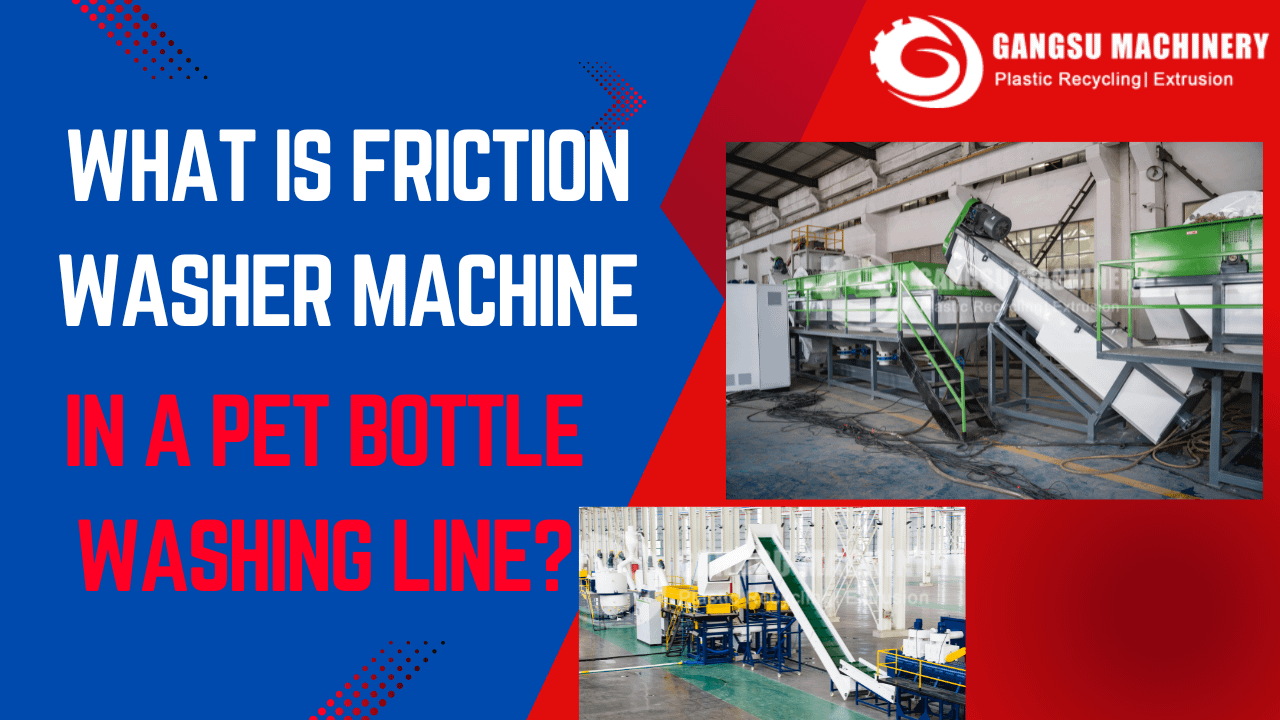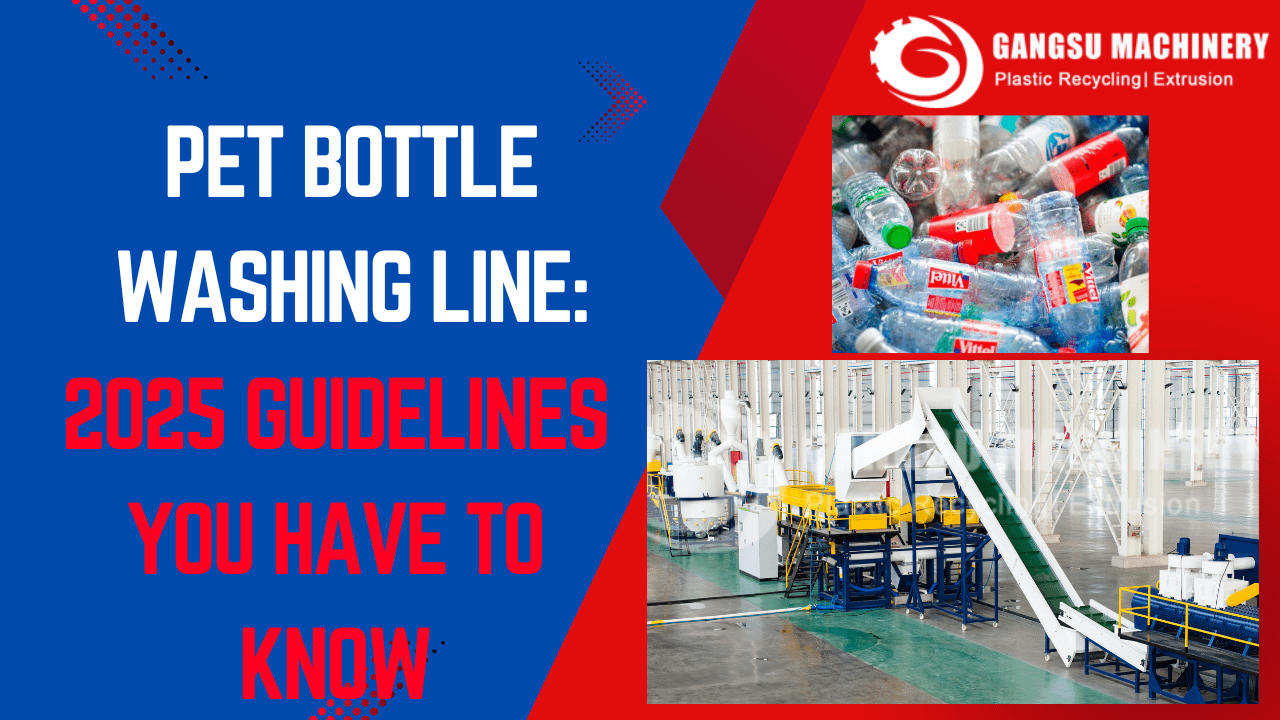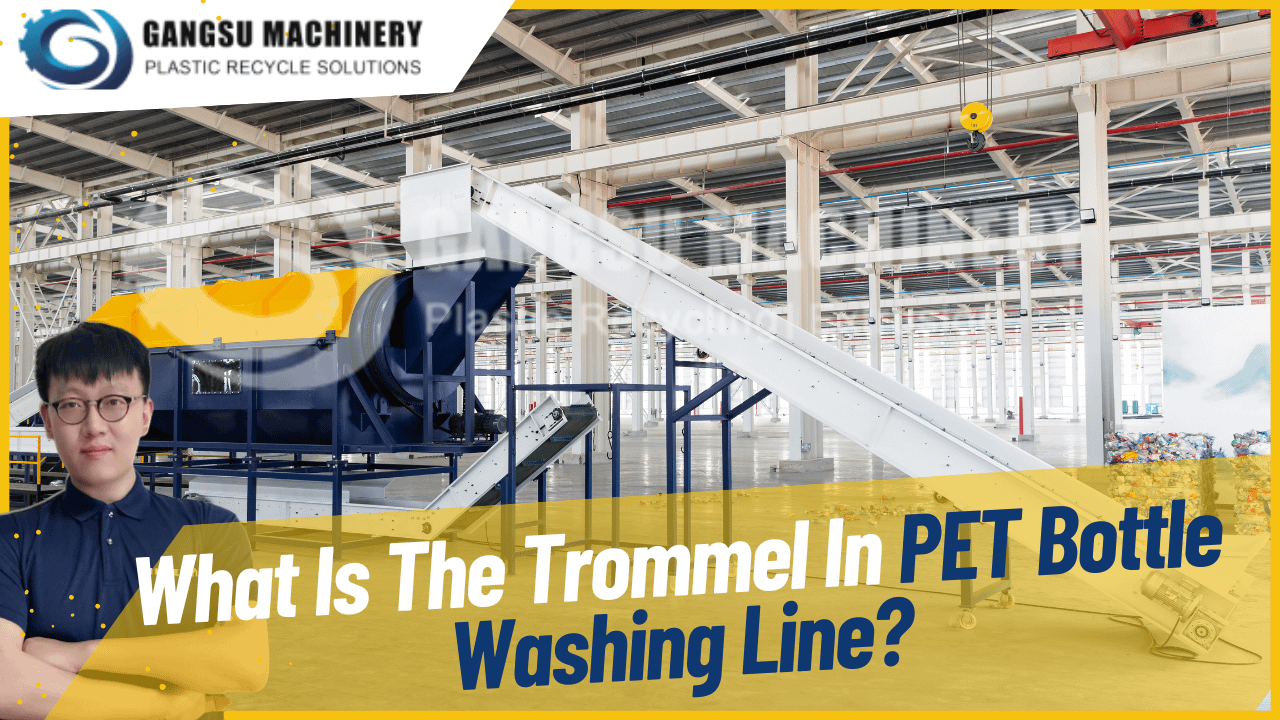
A plastic washing line refers to a system of machinery designed to clean and recycle plastic materials, particularly those contaminated with dirt, oil, or food residue. It is commonly used in recycling processes to treat plastic waste, such as films, bottles, and flakes, making them suitable for reuse. The washing line typically includes various stages like shredding, washing, drying, and sometimes even granulating to remove contaminants and prepare the plastic for further recycling or reprocessing into new products.
In short, a plastic washing line is crucial for turning waste plastic into clean, reusable raw material, contributing to sustainable recycling practices

Plastic washing lines are essential for processing various types of plastic, ensuring that the materials are clean and free from impurities before they go on to be transformed into new products. To truly grasp the significance of a plastic washing line, we need to break down how they process different types of plastic, the core components involved, and the key features of modern lines.
How Does a Plastic Washing Line Process Different Materials?
Plastic recycling is not a one-size-fits-all operation. Different types of plastic require different washing processes. So, how does a plastic washing line1 handle the varying requirements for different materials?
A plastic washing line tailors its process depending on the type of plastic material being processed, such as films, bottles, or containers. The goal is always to remove contaminants and prepare the plastic for reuse.
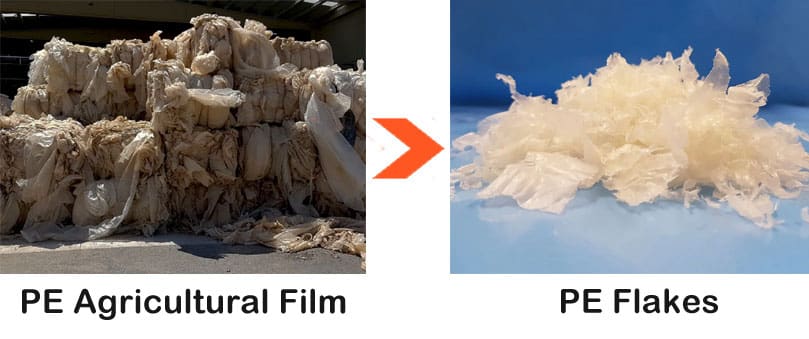
Soft Materials: Films, Woven Bags, and More
Soft materials like plastic films or woven bags pose unique challenges due to their flexibility and tendency to trap dirt and contaminants. These materials often require an extra step of shredding before the washing process to ensure better cleaning and material recovery. The plastic washing line must be equipped with the appropriate machinery, such as washing tanks, agitating systems, and dryers, to handle the delicate nature of these plastics.
Hard Materials: Bottles, Containers, and More
Hard plastic items like bottles or containers are more rigid and easier to handle than soft plastics. The washing line process for hard materials2 often starts with a sorting system to separate the different types of plastics. The next steps usually involve shredding, washing, and drying, with each step designed to remove the heavier contaminants. Given their structural integrity, bottles and containers can usually go through a more intensive washing process without compromising their shape.
Material-Specific Considerations
Each material type presents its own set of challenges, from ensuring proper shredding to choosing the right cleaning agents and machinery. The effectiveness of the washing line depends largely on how well it can adapt its processes to the material it’s handling.
What is Plastic Washing Line Process Flow for Soft Material Processing (Films, Woven Bags)?
Plastic washing lines follow a specific flow when processing soft materials3, like films and woven bags. These materials, while often lightweight, tend to collect significant contaminants that need careful removal before they can be recycled.
The plastic washing line process4 for soft materials involves shredding5, washing, separating, and drying. The process flow is optimized to ensure that even delicate materials are adequately cleaned.
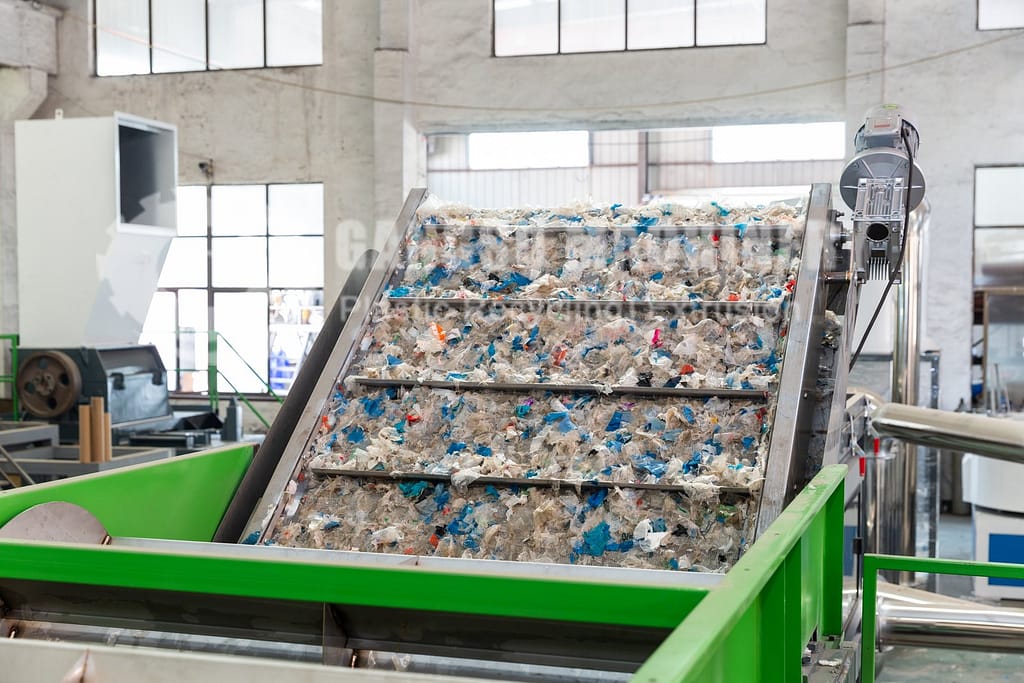
Step-by-Step Process Flow:
-
Sorting and Pre-Treatment: The soft plastics, such as films and woven bags, are first sorted by type and size. Any large contaminants or foreign objects are removed at this stage. Pre-treatment steps like label removal or size reduction may be performed.
-
Shredding: The plastic is shredded into smaller pieces, increasing the surface area for effective cleaning and improving the overall washing efficiency.
-
Washing: The shredded plastic is fed into washing tanks, where water and detergents or chemical agents are used to loosen dirt, grease, and adhesives. Depending on the contamination levels, this step may be repeated multiple times.
-
Floating and Separation: After washing, the plastic material is sent through flotation tanks, where heavier contaminants like sand or metal sink to the bottom, while the plastic floats to the surface.
-
Drying: The washed plastic is then dried using centrifugal force or a drying system to remove any remaining water.
-
Post-Processing: Finally, the clean plastic is inspected, sorted, and prepared for further recycling or re-pelletizing.
This process flow ensures that soft materials like films and woven bags are clean enough to be reused in the production of new products.
What is Plastic Washing Line Process Flow for Hard Material Processing (Bottles, Containers)?
The process for washing hard materials6 like bottles and containers differs significantly from soft materials. Hard plastics require a more robust process due to their structure, which allows for more effective cleaning.
The washing line for hard materials follows a similar sequence but emphasizes separation, shredding, and intense washing to remove contaminants.
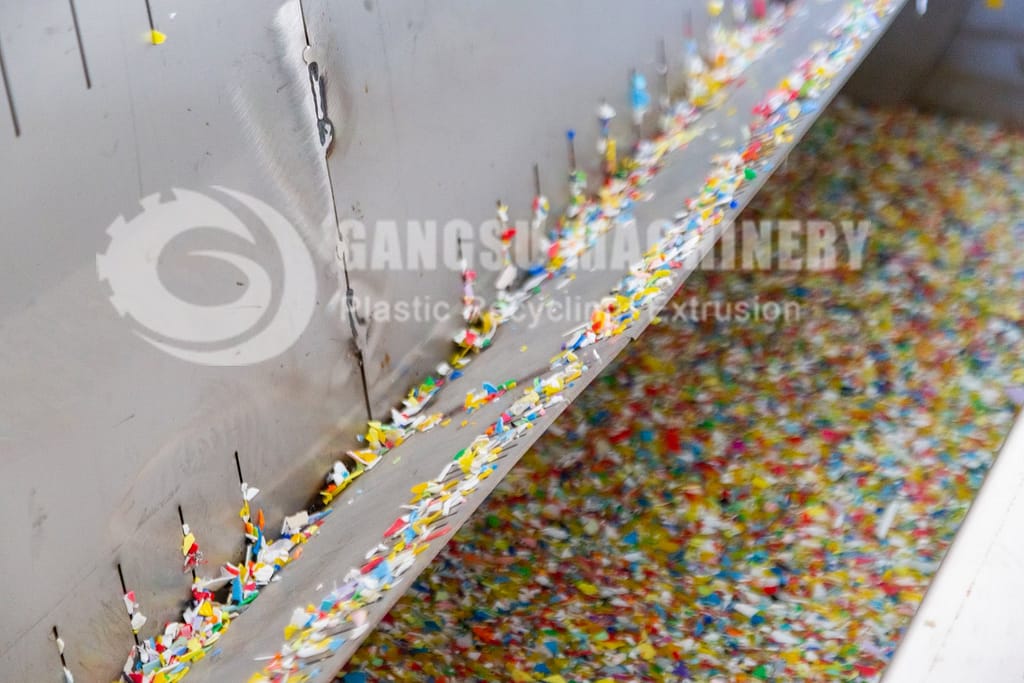
Step-by-Step Process Flow:
-
Sorting: Hard materials such as bottles and containers are sorted by type of plastic, as different plastics require different processing techniques. The sorting process removes non-plastic materials, like metal or paper, and groups similar types of plastics together.
-
Shredding: Bottles and containers are then shredded into smaller pieces. The shredded plastic pieces are easier to clean and allow for better access to contaminants.
-
Washing: The shredded plastic pieces are washed in a large tank or series of tanks, using water and detergents to remove dirt, oils, or residues like labels and adhesives. Depending on the degree of contamination, multiple washing stages7 may be needed.
-
Separation: After washing, heavier contaminants such as sand or other foreign materials are separated through flotation tanks or sieves. Clean plastic materials remain on the top, ready for the next phase.
-
Drying: The cleaned plastic pieces are dried, typically using a centrifugal dryer, to remove all moisture before they are processed further.
-
Post-Processing: The final clean material is inspected and may be further processed for re-pelletizing or direct reuse.
The key to processing hard materials like bottles and containers lies in the separation and thorough washing stages, which ensure that the plastic is clean and free from any harmful substances.
What Are the Core Components of a Plastic Washing Line?
A plastic washing line8 consists of several essential components, each designed to perform a specific function in the overall recycling process. Understanding these components is key to ensuring that the plastic washing line operates efficiently and effectively.
The core components of a plastic washing line include shredders, washing tanks9, centrifugal dryers, separation systems, and control units.
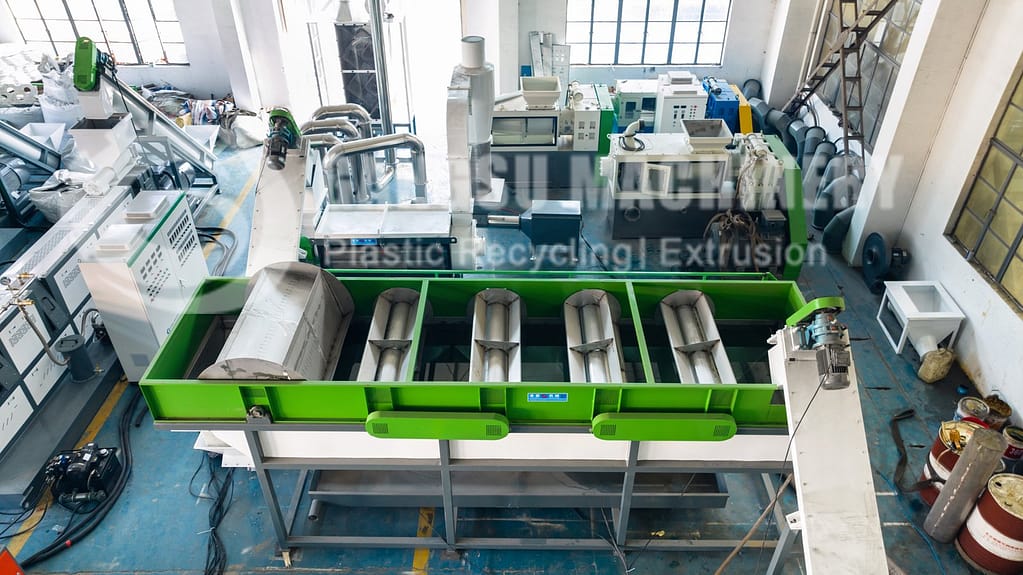
Essential Components:
-
Shredder: The shredder is responsible for breaking down large plastic materials into smaller, more manageable pieces. It is crucial for ensuring that the plastic has enough surface area for effective washing.
-
Washing Tanks: These are where the main cleaning process takes place. Washing tanks use water and detergents to remove contaminants from the plastic pieces.
-
Centrifugal Dryer: After washing, the plastic pieces are dried in a centrifugal dryer to remove any remaining water. This is a key step to prevent contamination and ensure the material is ready for further processing.
-
Separation Units: These include flotation tanks or sieves used to separate contaminants from the clean plastic. They ensure that only the cleanest material continues in the process.
-
Control System: Modern plastic washing lines come with sophisticated control systems that allow operators to monitor and control every aspect of the washing process, from speed to temperature.
These components work together to ensure the plastic washing line functions at peak efficiency, making the process of recycling plastics both effective and cost-efficient.
What Are the Key Features of Modern Plastic Washing Lines?
Modern plastic washing lines come with numerous upgrades that enhance performance, reduce energy consumption, and streamline operations. These features not only improve the efficiency of plastic recycling but also help plants stay competitive in an increasingly eco-conscious market.
Modern plastic washing lines are equipped with features such as energy-efficient motors10, automated control systems11, and advanced separation technologies.
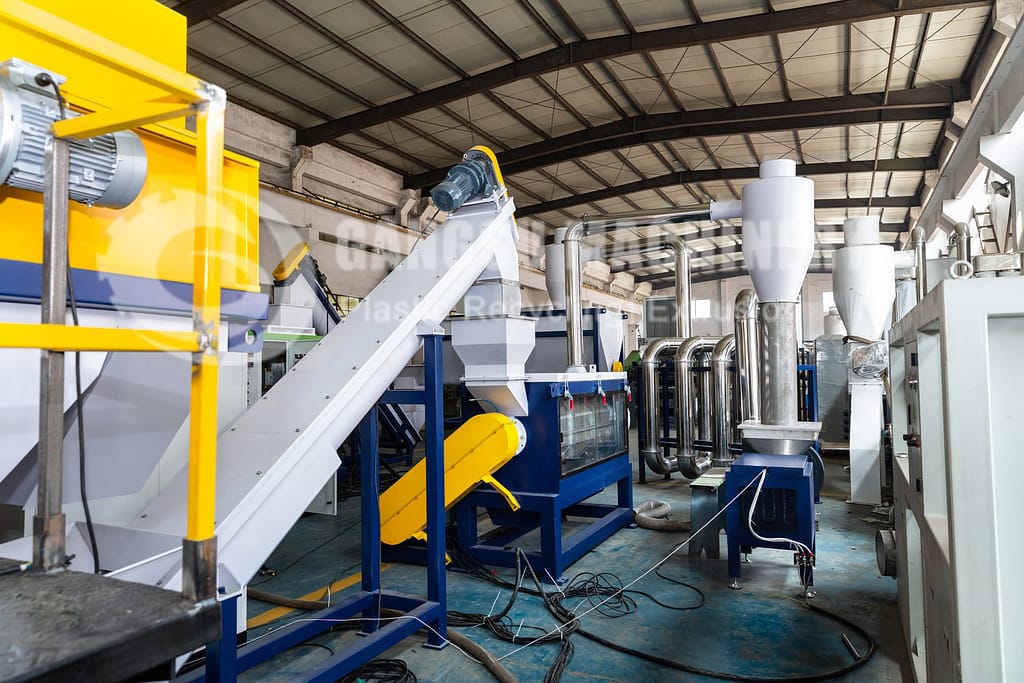
Key Features:
-
Energy Efficiency: Modern washing lines are designed to be energy-efficient, using less power while maintaining high throughput. This reduces operating costs and helps recycling plants lower their environmental impact.
-
Automation: Automated control systems have become standard in many modern plastic washing lines. These systems help operators monitor and adjust the process in real-time, ensuring optimal performance and reducing human error.
-
High-Efficiency Separation: New separation technologies, such as high-performance flotation tanks12 and air classifiers, allow for more precise and effective separation of contaminants, leading to cleaner recycled plastic.
-
Compact Design: Many modern lines feature compact, modular designs, allowing for easier integration into existing facilities and providing flexibility for future upgrades.
-
Advanced Safety Features: Safety is a priority in modern plastic washing lines. Features like automatic shut-off systems, emergency stops, and protective barriers are commonly integrated into the design.
These features make modern plastic washing lines more efficient, eco-friendly, and easier to operate, helping businesses in the recycling industry meet both economic and environmental goals.
Conclusion
A plastic washing line is an essential part of the plastic recycling process, helping to clean and prepare plastic for reuse. The process varies depending on the material being processed, but the core components and modern features ensure high efficiency and effectiveness in recycling operations.
-
Explore this link to understand the mechanics and importance of plastic washing lines in recycling processes. ↩
-
Discover the recycling process for hard materials and the technologies involved in making it efficient. ↩
-
Exploring the role of soft materials in recycling helps in grasping their impact on the environment and the recycling industry. ↩
-
Understanding the plastic washing line process is crucial for effective recycling of soft materials, ensuring sustainability and efficiency in waste management. ↩
-
Learning about shredding’s role in recycling can enhance your knowledge of waste management and the efficiency of recycling operations. ↩
-
Understanding best practices for hard materials can enhance your recycling efficiency and effectiveness. ↩
-
Learning about washing stages can help ensure thorough cleaning of recycled plastics, improving quality. ↩
-
Explore this link to gain a deeper understanding of how each component contributes to the efficiency of plastic recycling. ↩
-
Discover how washing tanks effectively clean plastics and the technologies involved in this crucial step. ↩
-
Explore how energy-efficient motors can significantly reduce operational costs and environmental impact in recycling processes. ↩
-
Learn about the advantages of automation in enhancing efficiency and reducing errors in plastic recycling operations. ↩
-
Discover the importance of high-performance flotation tanks in achieving cleaner recycled plastic through advanced separation technologies. ↩