What are the most common pieces of equipment used in the plastics recycling process?
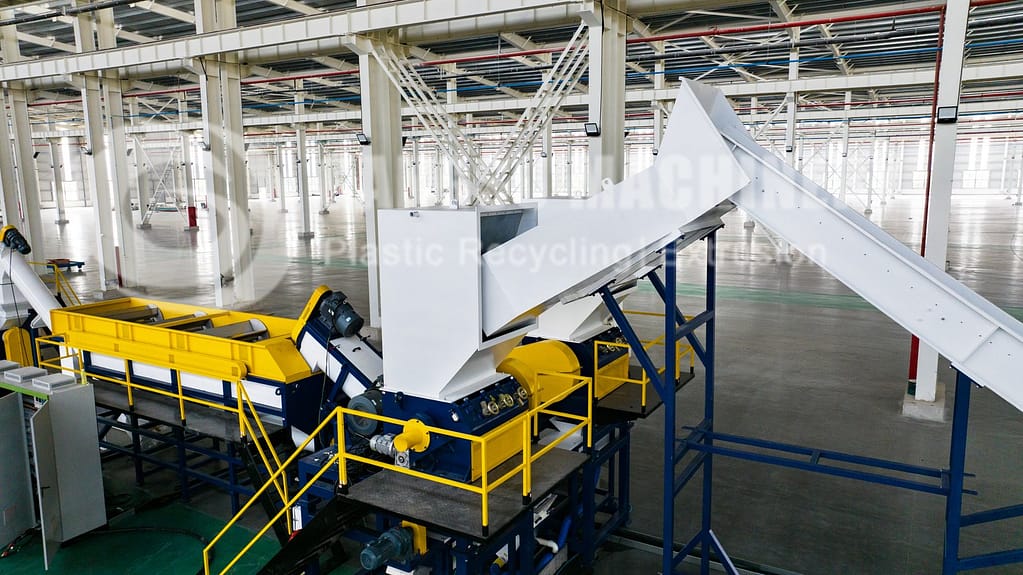
Plastic recycling is an essential step towards a sustainable future, but understanding the equipment involved can be confusing. Let’s break it down.
Snippet paragraph: Recycling plastics requires specialized equipment to clean, sort, and process various types of plastic waste into reusable materials.
The process might seem complex, but once you know the equipment involved, it becomes clearer.
What equipment is needed to recycle plastic?
Recycling plastics is a multi-step process that requires various machines for each stage, from collection to reprocessing.
Snippet paragraph: Plastic recycling requires shredders, washers, granulators, and extruders to ensure plastic waste is cleaned, sorted, and turned into reusable material.

Shredders: The First Step in Plastic Recycling
Shredders are one of the first pieces of equipment used in the recycling process. They break down large plastic waste into smaller pieces, which can be more easily processed in subsequent stages. There are different types of shredders based on the plastic type and the final outcome required.
Types of Shredders
- Single-Shaft Shredders: These are used to shred a variety of plastic materials. They are ideal for consistent and uniform output.
- Dual-Shaft Shredders: These are more robust and designed for heavier, more durable plastics.
- Granulators: Similar to shredders but with finer cutting capabilities for specific granules.
| Type of Shredder | Suitable Materials | Common Applications |
|---|---|---|
| Single-Shaft Shredder | Plastics, Rubbers | General recycling |
| Dual-Shaft Shredder | Tough Plastics | Heavy-duty recycling |
| Granulators | Plastics, Films | Detailed granulation |
Washing Systems: Cleansing for Quality
Once plastics are shredded, they need to be cleaned. Washing systems remove contaminants like dirt, oil, and adhesives from the plastic surface, ensuring the final recycled product is pure and of good quality.
Washing involves a combination of water, detergent, and sometimes mechanical agitation. This process is crucial because any remaining contaminants can affect the quality of the recycled plastic.
What machines are used to melt plastic?
After cleaning and sorting, the next key step in plastic recycling is melting the plastic to reshape it into new products. This is done using machines called extruders.
Snippet paragraph: Extruders melt and shape plastic into new forms, helping recycle it into usable materials for various industries.
Extruders: The Key to Shaping Recycled Plastic
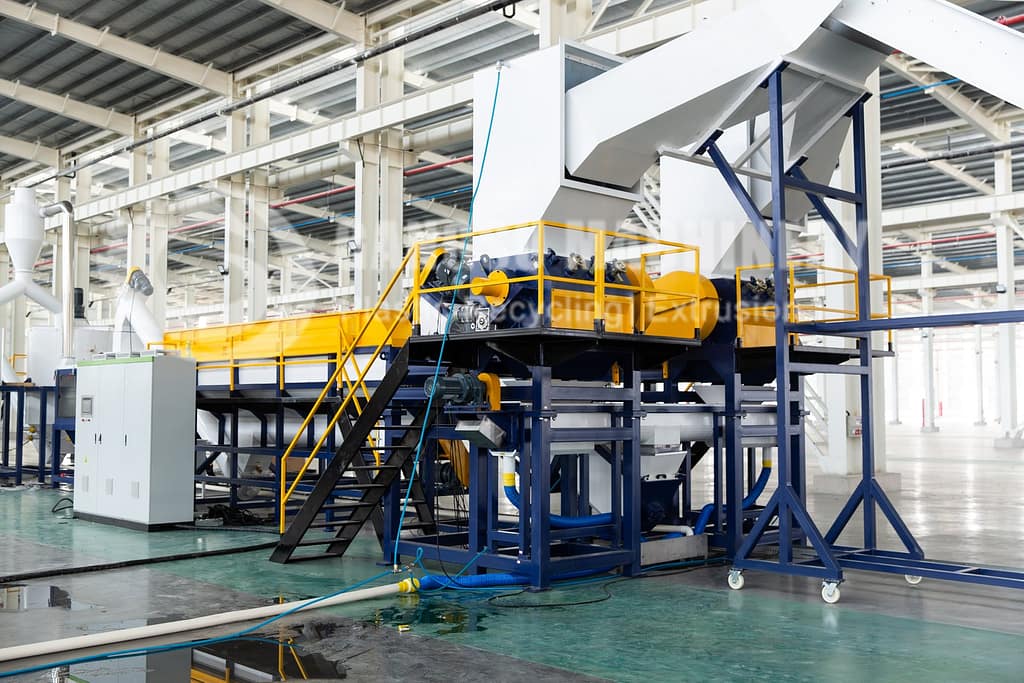
Extruders are machines that melt plastic pellets or flakes and force them through a mold to create new products. They are essential in turning the recycled plastic into shapes that can be used in manufacturing processes.
Types of Extruders:
- Single-Screw Extruders: These are the most common type. They are efficient for a wide range of plastic types and create uniform products.
- Twin-Screw Extruders: These extruders are more advanced, allowing for better mixing of different plastic types and additives, improving the final product’s quality.
- Compounding Extruders: Used for combining various materials or adding additives to improve the plastic’s properties.
| Type of Extruder | Features | Common Applications |
|---|---|---|
| Single-Screw Extruder | Simple, efficient | Standard recycling |
| Twin-Screw Extruder | Better mixing | Advanced recycling |
| Compounding Extruder | Adds additives | Specialized materials |
Pelletizing Machines: Finalizing the Plastic
Once the plastic is melted and reshaped, the next step is often to form it into small pellets. Pelletizing machines take the molten plastic and form it into uniform-sized pellets that can be easily stored, transported, and used in further processing.
What are the common plastic waste items?
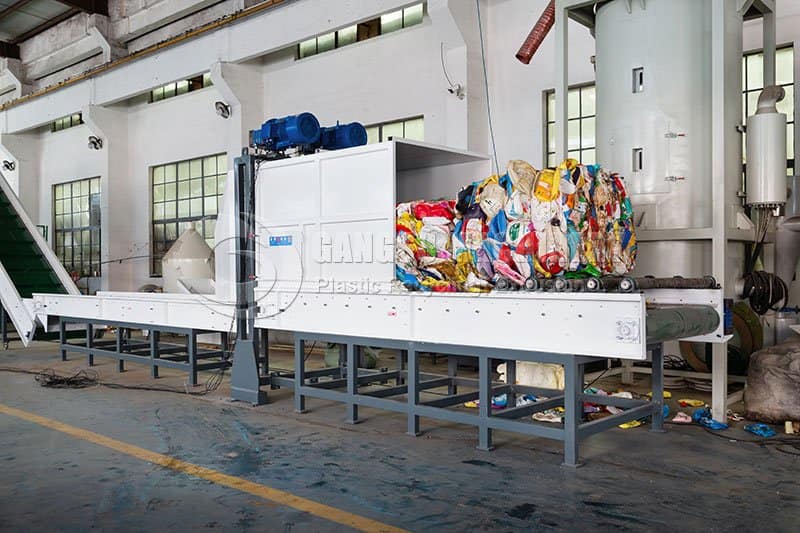
Understanding the most common types of plastic waste is essential for determining the most appropriate equipment for recycling.
Snippet paragraph: Common plastic waste includes bottles, bags, containers, and packaging, all of which require different equipment to recycle efficiently.
Types of Plastic Waste and Their Recyclability
Some plastics are easier to recycle than others. For example, PET (polyethylene terephthalate) bottles can be easily recycled into new bottles or fibers. Meanwhile, plastics like PVC or multi-layered packaging may require more specialized processes.
Common Plastic Waste Items
- Plastic Bottles (PET, HDPE)
- Plastic Bags (LDPE, LLDPE)
- Packaging Materials (Multi-layered or composite plastics)
- Food Containers (PS, PP)
| Plastic Type | Common Items | Recycling Process |
|---|---|---|
| PET (Polyethylene Terephthalate) | Bottles, Containers | Shredding, Extrusion |
| HDPE (High-Density Polyethylene) | Bottles, Jugs | Shredding, Washing |
| LDPE (Low-Density Polyethylene) | Bags, Films | Shredding, Compounding |
What is the most common method for recycling plastics?
There are several methods for recycling plastics, but the most common is mechanical recycling, where plastic is physically broken down and reformed into new products.
Snippet paragraph: Mechanical recycling is the most common method. It involves shredding, washing, and reprocessing plastics into new products through extrusion or molding.
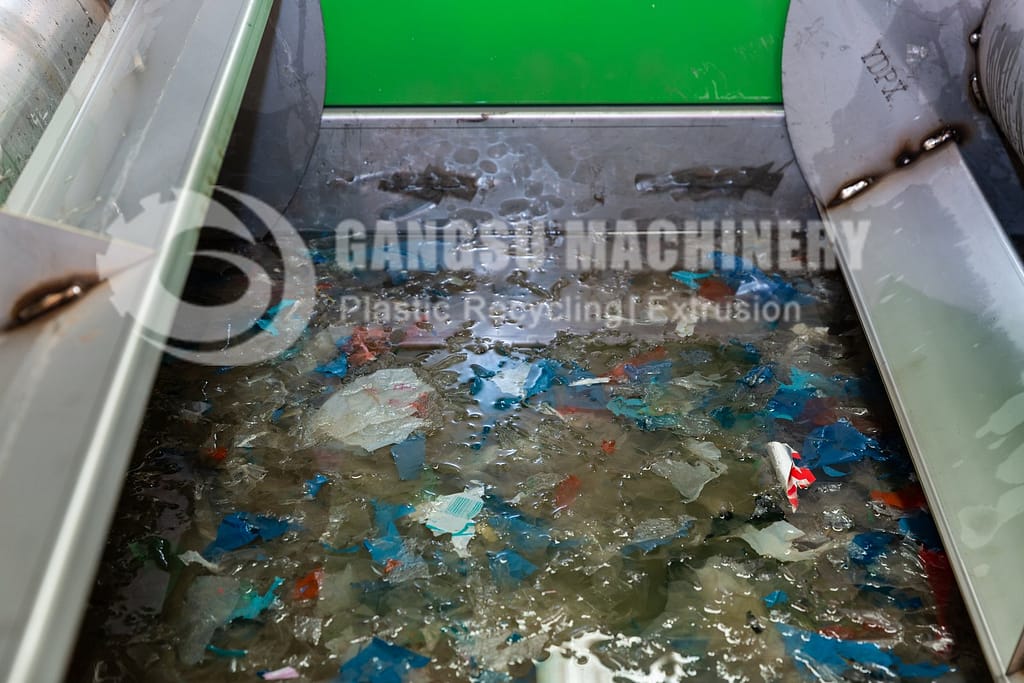
Mechanical Recycling vs. Chemical Recycling
Mechanical recycling is by far the most widely used method, especially for plastics like PET and HDPE. However, as more complex plastics like multilayered packaging become common, chemical recycling is gaining attention as a possible alternative.
- Mechanical Recycling: Involves physical processes like shredding, melting, and molding. It’s more common due to its simplicity and cost-effectiveness.
- Chemical Recycling: Breaks plastics down into their original monomers or chemicals. It’s more expensive but offers the potential for recycling complex plastics that can’t be handled through mechanical methods.
What is the most common form of plastic recycling?
The most common form of plastic recycling is closed-loop recycling, where plastics are reused to create similar products, such as bottles being turned into new bottles or plastic containers being made into new containers.
Snippet paragraph: Closed-loop recycling is where used plastics are recycled into the same type of product, offering a sustainable way to reuse plastic materials.

Benefits of Closed-Loop Recycling
Closed-loop recycling reduces the need for virgin plastics, lowers carbon emissions, and minimizes the amount of plastic waste sent to landfills. It creates a more sustainable plastic economy and ensures that plastic materials are kept in circulation for longer.
Open-Loop Recycling
In open-loop recycling, plastics are recycled into different products, such as bottles being made into clothing fibers or plastic containers being turned into park benches. While still valuable, it doesn’t maintain the same material integrity as closed-loop recycling.
What technology is used to recycle plastic?
Plastic recycling technology continues to advance, with new innovations emerging to improve efficiency and reduce environmental impact.
Snippet paragraph: New technologies like pyrolysis and advanced sorting systems help to improve plastic recycling by processing a wider variety of materials.
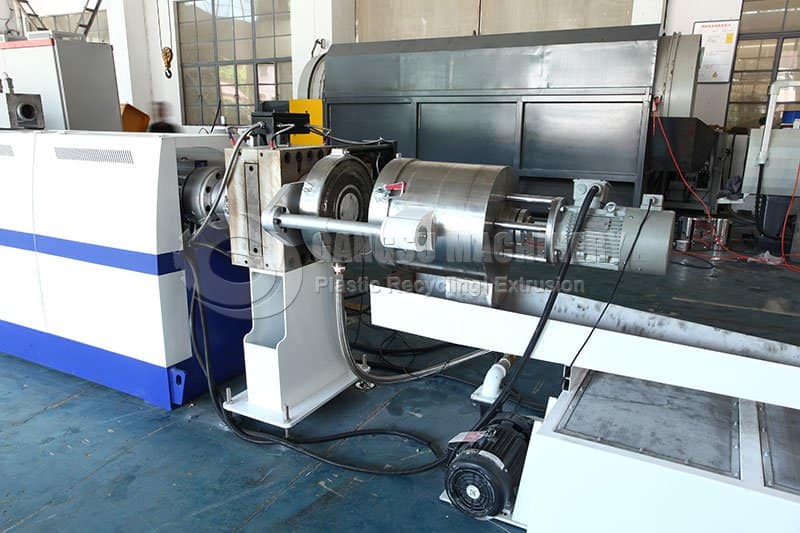
Pyrolysis: A New Frontier in Recycling
Pyrolysis is an emerging technology where plastics are heated in an oxygen-free environment to break them down into oils, gases, and solids. This process offers a way to recycle plastics that are difficult to process through traditional methods.
Advanced Sorting Technology
AI and machine learning technologies are now being used to improve the sorting of plastic waste. Optical sorting systems use infrared technology to identify and separate plastics by their chemical composition, making the recycling process faster and more accurate.
| Technology | Benefits | Current Applications |
|---|---|---|
| Pyrolysis | Recycling difficult plastics | Oil and gas production from waste |
| Optical Sorting Systems | Faster, more accurate sorting | Sorting mixed plastics |
Conclusion
Plastic recycling is complex, but with the right equipment and technology, it’s possible to make it more efficient and sustainable.