What are the most common pieces of equipment used in the PET bottles recycling process?
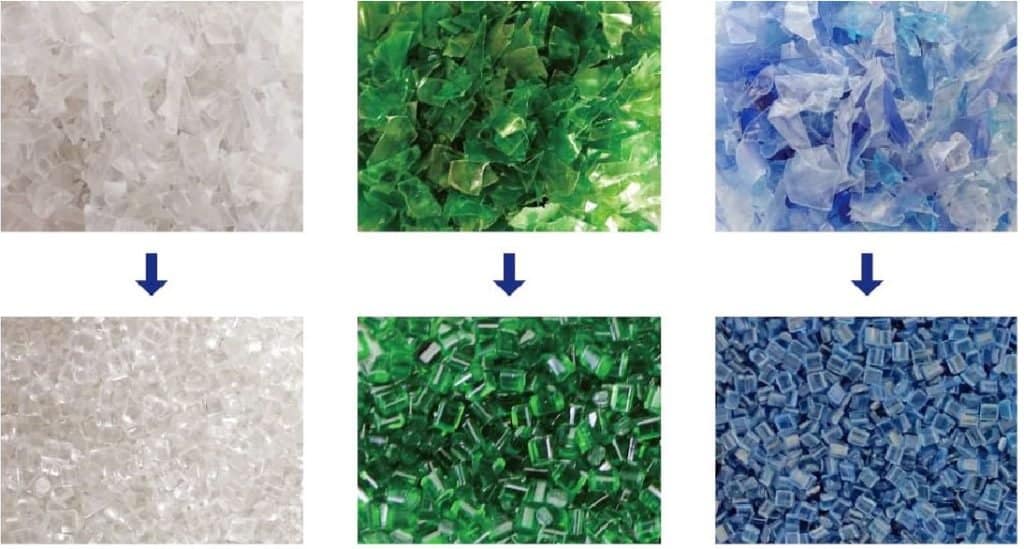
Recycling PET bottles reduces waste and promotes sustainability, but understanding the necessary equipment can seem complex.
The PET bottle recycling process requires specific machines for shredding, washing, separating, and granulating. Each stage is essential for high-quality recycling.
Learn about the key machines used in PET bottle recycling to make informed equipment decisions for your facility.
What equipment is used for PET bottle recycling?
Recycling PET bottles requires efficient machinery to process waste effectively.
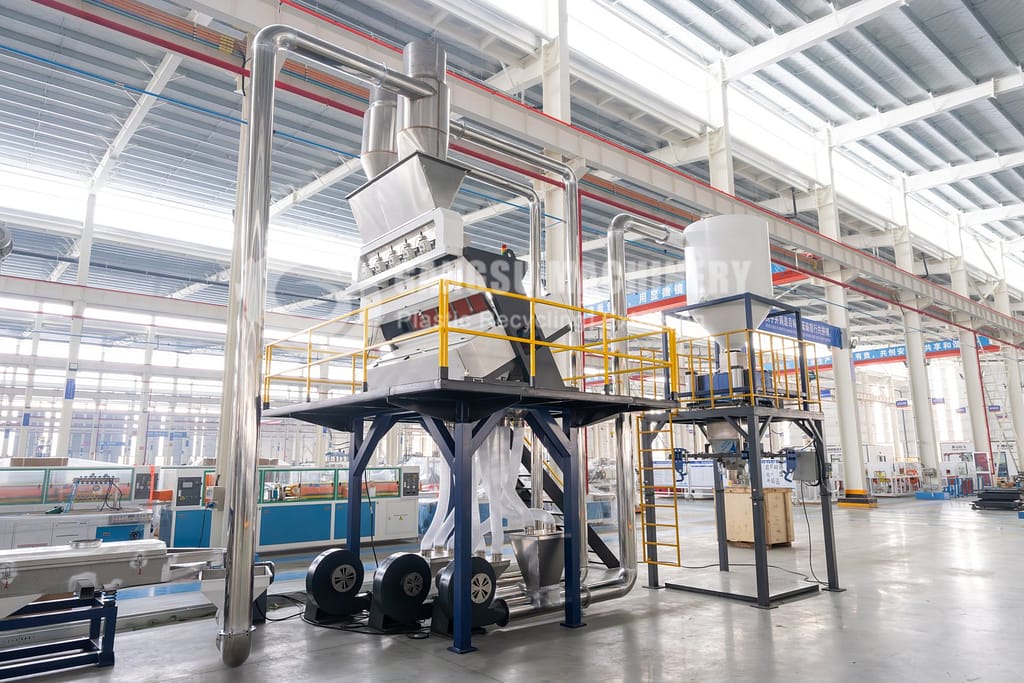
Key equipment includes shredders, washing systems, separators, and granulators. Each machine has a unique role in recycling.
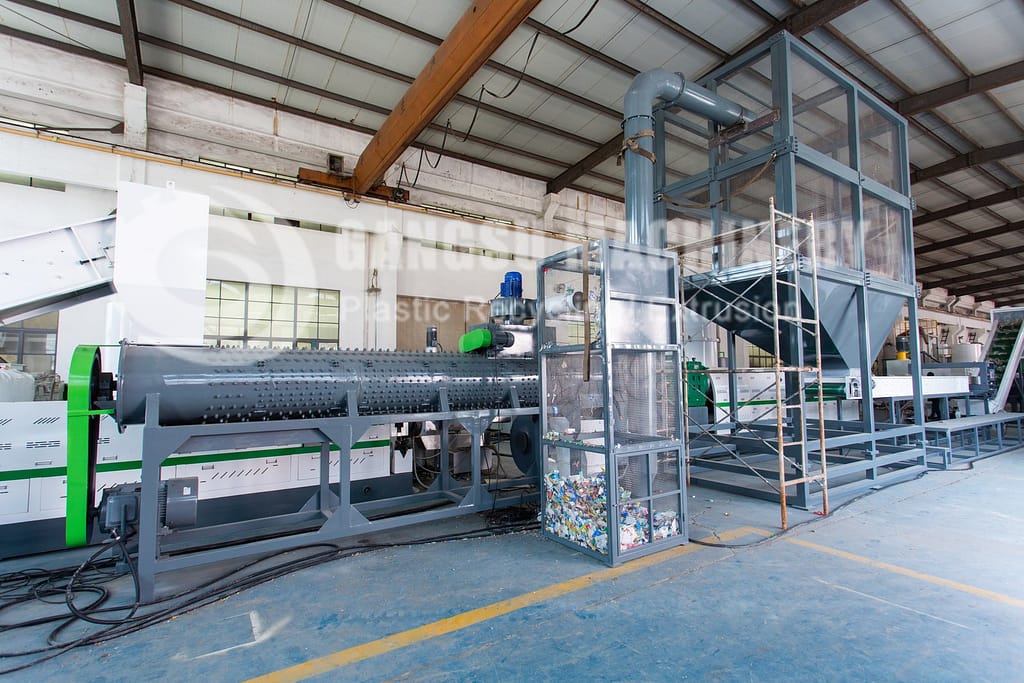
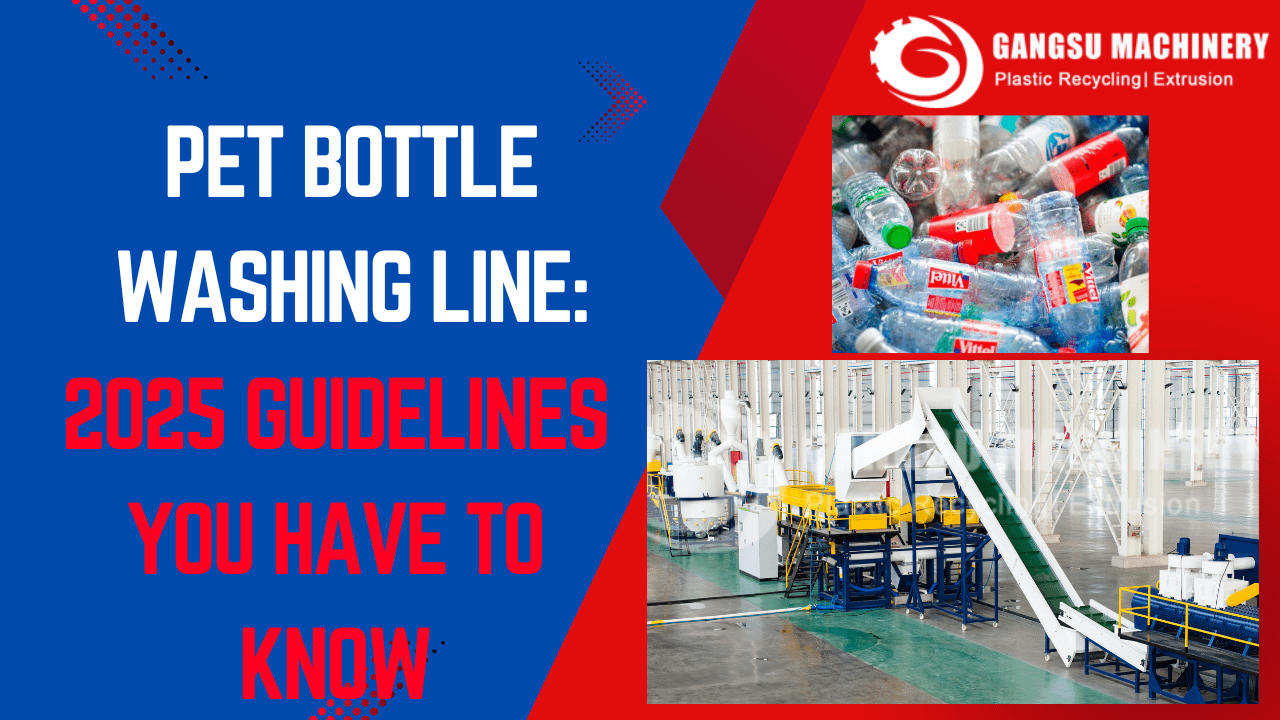
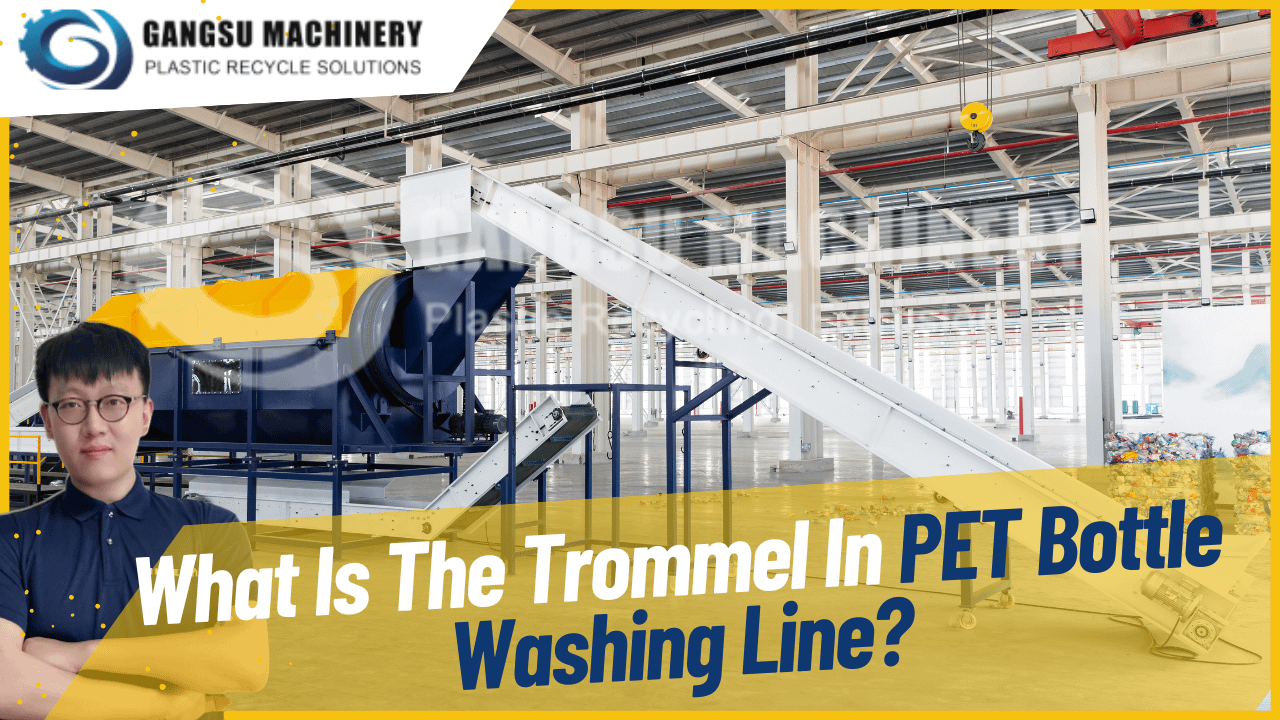
Recycling PET bottles begins with shredding, where bottles are cut into smaller pieces. Washing systems remove labels, adhesives, and contaminants, ensuring clean flakes. Separators distinguish materials like caps or other plastics, while granulators transform the processed material into pellets for reuse. Each step demands precision for optimal recycling results.
Commonly Used Equipment Table
| Machine | Purpose | Key Features |
|---|---|---|
| Shredder /Crusher | Cuts PET bottles into flakes | High cutting efficiency, durability |
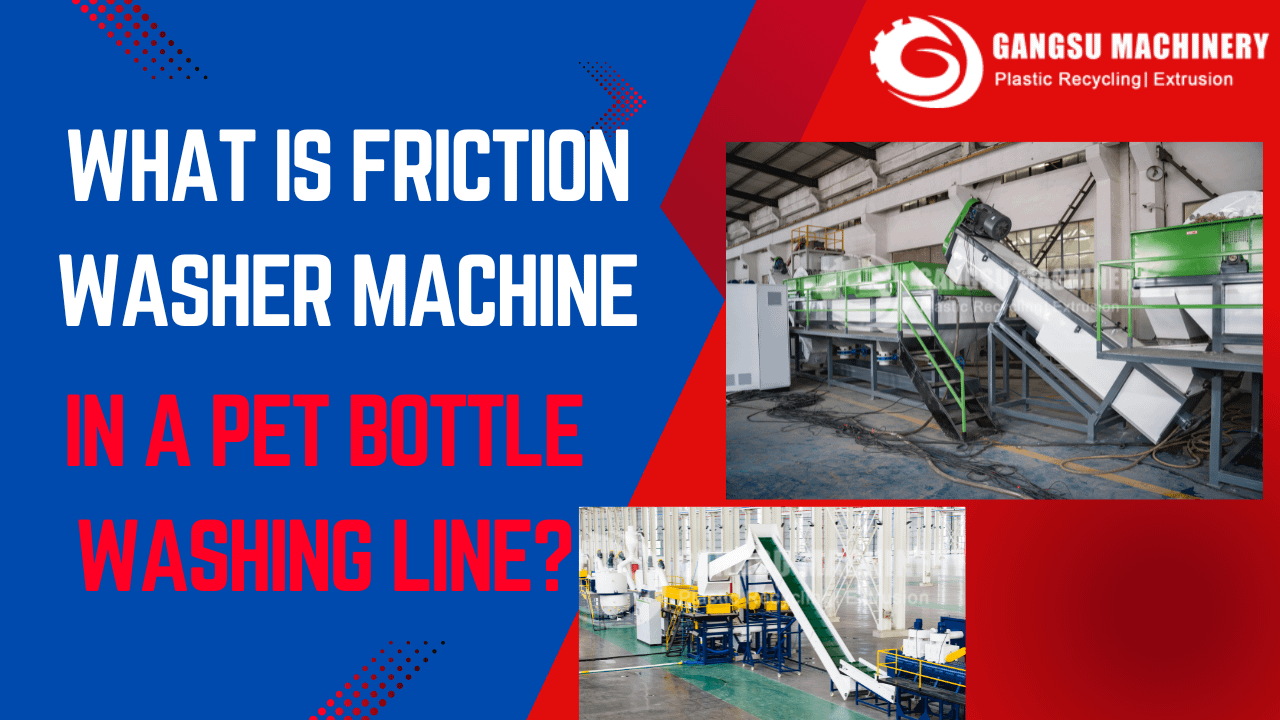
| Washing System | Removes dirt and adhesives | Multi-stage cleaning, drying unit |
| Separator | Differentiates plastics | Magnetic or density-based separation |
| Granulator | Creates uniform pellets | Consistent output, low energy consumption |
These machines form the backbone of PET recycling, ensuring an eco-friendly and cost-effective process. Learn more about advanced PET recycling technologies.
How are PET bottles recycled?
PET bottle recycling transforms waste into reusable materials, reducing environmental impact.
The process involves shredding, washing, separating, and converting PET into new forms for manufacturing.
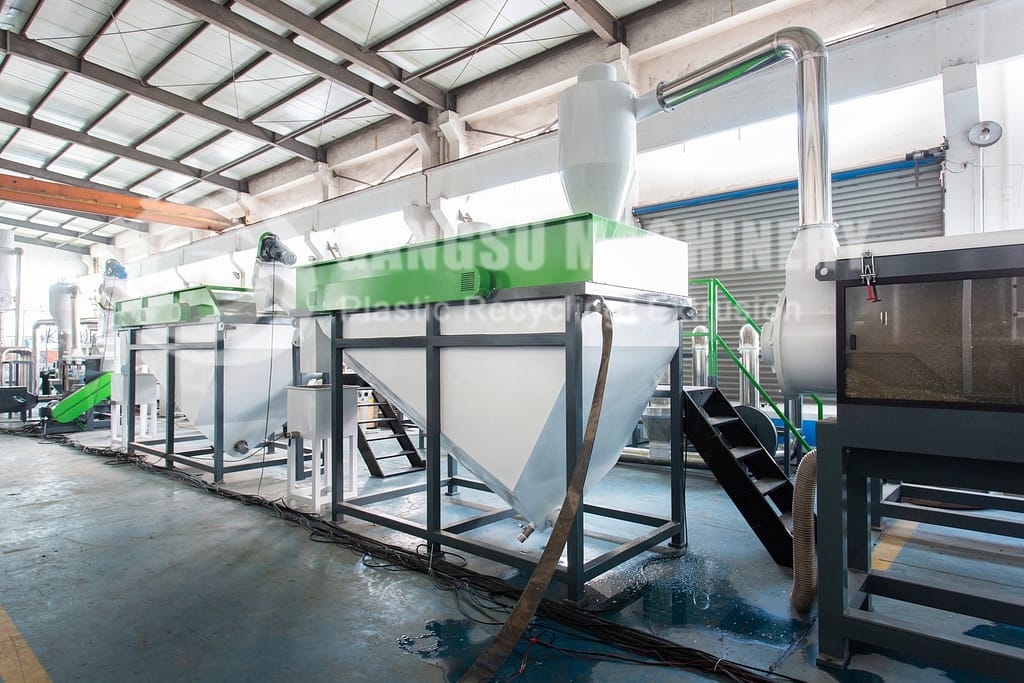
The recycling process begins with collection and sorting, followed by shredding to create smaller flakes. Washing systems remove impurities, making the material suitable for reprocessing. Separators then classify materials based on weight or magnetic properties. Finally, granulators produce pellets for reuse in manufacturing. This cycle promotes sustainability and resource efficiency. Explore the environmental benefits of PET recycling.
Recycling Workflow Diagram
- Collection: Bottles gathered from waste sources.
- Sorting: Manual or automated separation of PET. Learn about PET sorting technologies.
- Shredding: Bottles reduced into flakes.
- Washing: Flakes cleaned thoroughly.
- Separation: Material differentiation.
- Pelletizing: Flakes converted into uniform pellets.
This streamlined process highlights the value of each stage, ensuring high-quality recycled PET.
Which machine is used for plastic recycling?
Different machines cater to various recycling needs, especially for PET plastics.
Shredders, separators, washing lines, and extrusion systems are essential for effective plastic recycling.

Plastic recycling starts with shredders, breaking down plastic into manageable pieces. Washing lines then clean the material. For PET bottles, separators and extrusion systems are vital to refining the material and creating usable pellets. These machines ensure minimal waste and high-quality outputs. Discover more about industrial plastic recycling machinery.
Feature Comparison: Key Machines
| Machine Type | Primary Function | Example Usage |
|---|---|---|
| Shredder | Size reduction | PET bottles, caps |
| Washing Line | Cleaning and preparation | Removal of dirt, glue |
| Extrusion System | Pellet production | Reusable plastic granules |
Using the right combination of machines is critical for efficient plastic recycling operations. Learn about the benefits of extrusion systems in recycling.
What are the materials in PET plastic bottles?
PET bottles contain specific materials that make them lightweight and durable.
PET, or polyethylene terephthalate, is a strong, lightweight, and recyclable plastic used in beverage bottles.
PET bottles primarily consist of polyethylene terephthalate, a thermoplastic polymer. They may also include small amounts of additives to enhance strength and durability. Caps are usually made of polypropylene (PP), and labels often use PVC or paper. Understanding these materials helps optimize recycling processes, as each component requires specific handling during recycling. Learn more about the composition of PET bottles.
PET Bottle Composition Breakdown
| Component | Material | Notes |
|---|---|---|
| Bottle Body | Polyethylene terephthalate | Main recyclable material |
| Caps | Polypropylene | Separated during recycling |
| Labels | PVC or paper | Requires special removal |
Proper sorting and separation of these materials ensure efficient recycling and high-quality outputs. [Discover methods to optimize material separation in PET recycling](What are the best practices for separating materials like caps and labels during PET recycling?).
Conclusion
The PET bottle recycling process relies on shredders, washing systems, separators, and granulators. Each plays a key role in producing high-quality recycled materials.