Plastic recycling is one of the most critical processes in today’s world. But have you ever wondered how the raw plastic waste gets transformed into usable materials again? That’s where a plastic pelletizing line comes in.
A plastic pelletizing line is a system that converts plastic waste or scrap into small, uniform pellets. These pellets can be reused in various industries for producing new plastic products. The pelletizing process involves several stages, each designed to break down and reshape the plastic to make it easier to handle, store, and process.
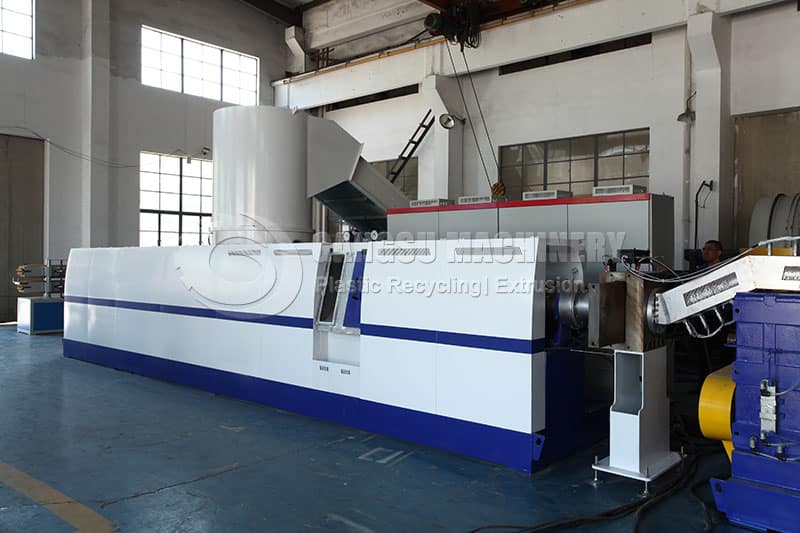
A plastic pelletizing line plays a vital role in recycling, helping businesses process plastic waste into raw materials ready for reuse. These pellets are key to minimizing environmental pollution and creating a circular economy.
What is the plastic pelletizing process1?
Plastic pelletizing is a crucial part of the recycling process, but what does it really involve?
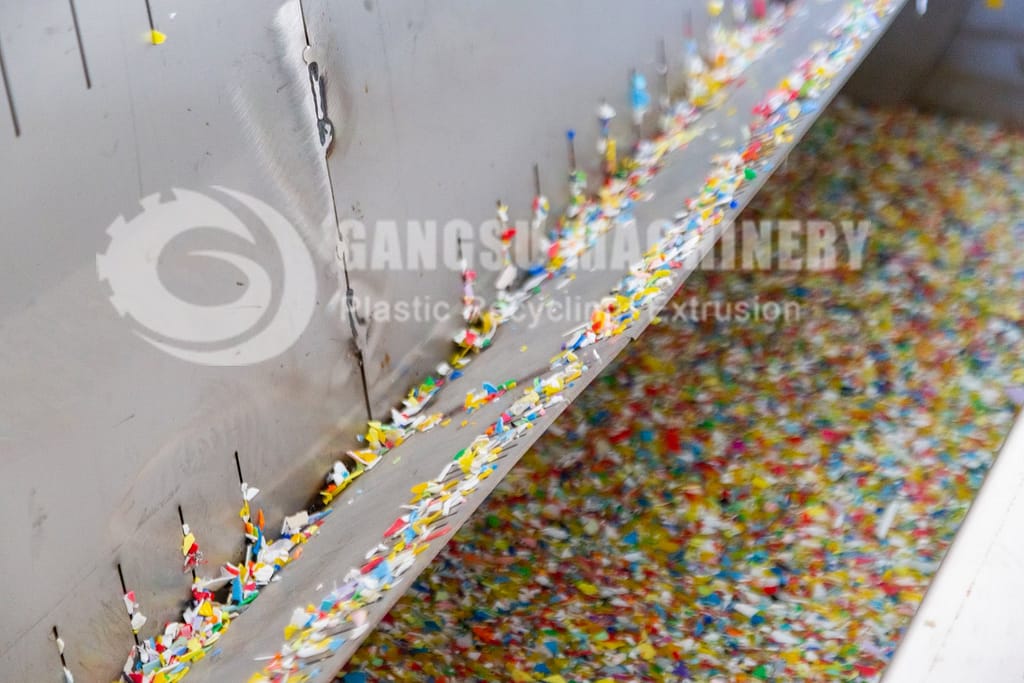
The plastic pelletizing process begins with cleaning and sorting the plastic waste. Once sorted, the plastic is shredded into smaller pieces. These smaller pieces are then melted and forced through a die to create uniform pellets. After the plastic is cooled, it’s cut into small, round pellets, which can then be stored or transported for use in manufacturing new products.
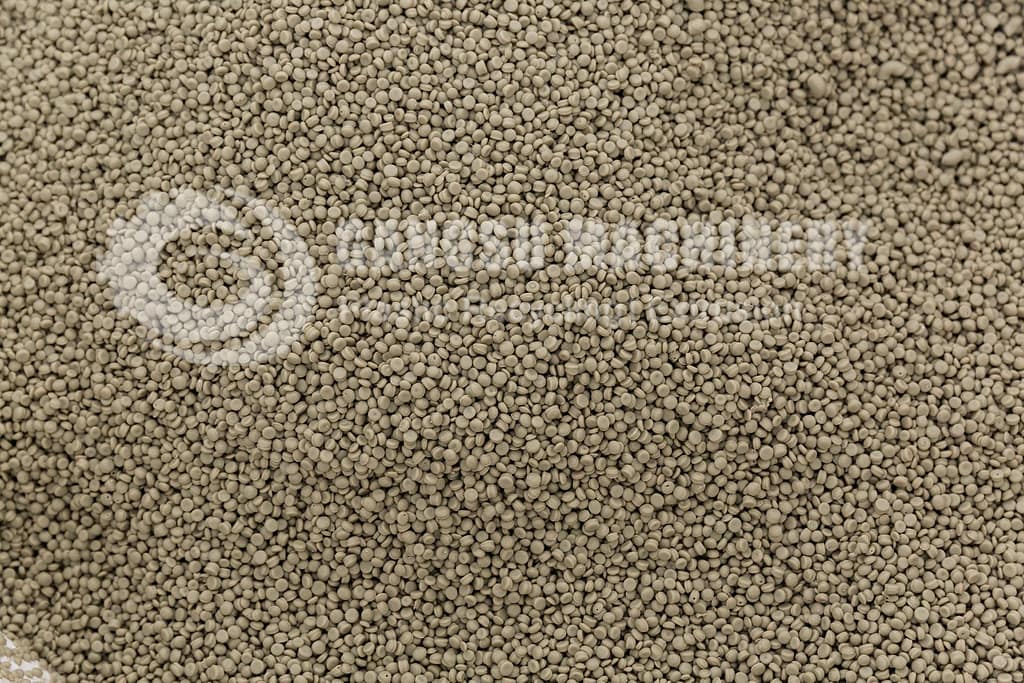
Plastic pelletizing is a multi-step process that requires precision and efficiency2. It ensures that plastic waste is transformed into high-quality, reusable raw materials3, contributing to sustainability efforts globally.
Key steps in the plastic pelletizing process:
| Step | Description |
|---|---|
| Shredding | Plastic waste is cut into smaller pieces for easier processing. |
| Melting | The shredded plastic is melted down into a uniform molten material. |
| Extrusion | The molten plastic is forced through a die to form long strands. |
| Cooling | The extruded strands are cooled, typically with water or air. |
| Cutting | The cooled strands are cut into small pellets using a rotating blade. |
The precision in each of these steps determines the quality of the final pellets. Efficient machines are needed to ensure that each pellet is the right size, shape, and quality to be reused effectively in production.
What plastics can be processed in a plastic pelletizing line?
Not all plastics are created equal, and this directly impacts the type of plastic that can be processed in a pelletizing line.
Plastic pelletizing lines can process a variety of plastic types, but the most common ones are polyethylene (PE)4, polypropylene (PP)5, polyethylene terephthalate (PET)6, and polystyrene (PS). These are some of the most widely used plastics in manufacturing and packaging. However, some pelletizing lines are specifically designed to handle only certain types of plastic.
Common plastics processed in pelletizing lines:
- Polyethylene (PE): Used for plastic bags, bottles, and containers.
- Polypropylene (PP): Common in packaging, automotive, and textiles.
- Polyethylene Terephthalate (PET): Common in beverage bottles, food containers.
- Polystyrene (PS): Used in packaging and disposable cutlery.
The choice of plastic that a pelletizing line can handle often depends on the design and the type of machinery used. Some advanced pelletizing lines have the flexibility to process a broader range of plastics, improving the overall recycling potential.
What are plastic pellets used for?
Plastic pellets are the building blocks for a wide variety of products, and their versatility is one of the reasons why the pelletizing process is so important.
Once the plastic has been pelletized, it can be used in manufacturing different plastic products. These pellets are often sold to factories that use them to make new items like bottles, containers, films, and even automotive parts. They can be molded or extruded into various shapes and sizes based on the final product’s design specifications.
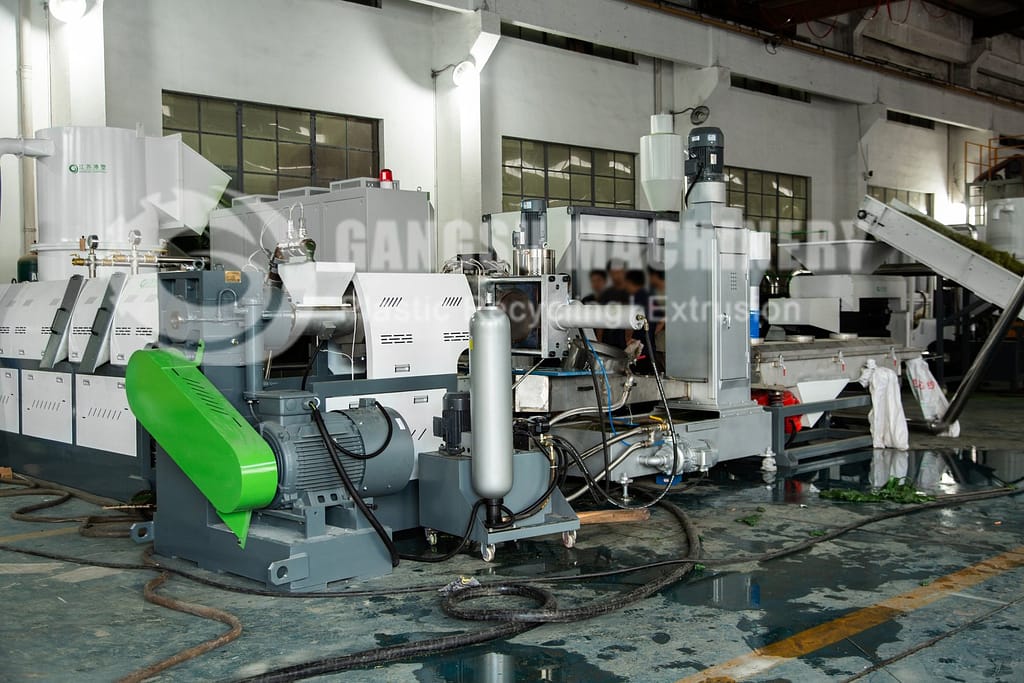
Plastic pellets are essential for industries such as:
- Packaging: Including plastic bottles, films, and containers.
- Automotive: Used for parts like bumpers, dashboards, and interior components.
- Textiles: Some synthetic fabrics are made from plastic pellets7.
- Consumer goods: Items like toys and household products.
This extensive use of plastic pellets shows how integral recycling is in creating a sustainable future. Instead of new raw materials being constantly produced, recycled pellets8 can be reused in making new products, reducing the demand for virgin plastic.
What is the purpose of pelletizing?
Why do we need to go through the effort of pelletizing plastic waste9 in the first place? The answer is simple: efficiency and versatility.
The main purpose of pelletizing is to convert irregularly shaped, sometimes contaminated plastic waste into small, uniform pellets that are easier to handle, store, and transport. This step also ensures that the plastic can be processed in large-scale manufacturing systems, as it ensures the raw material is of consistent quality10.
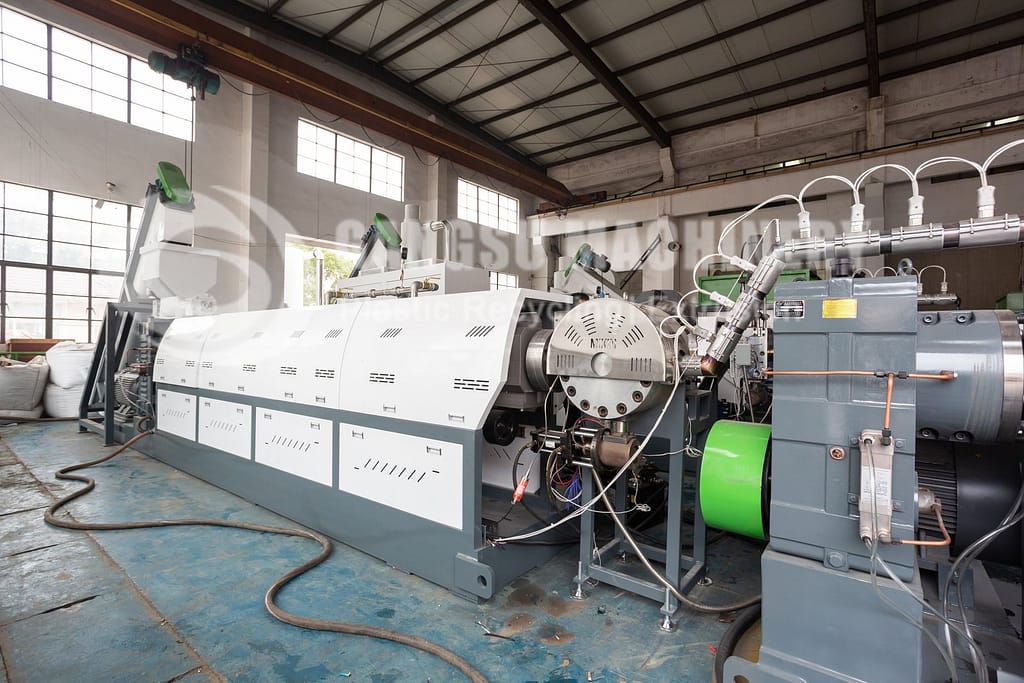
Pelletizing allows businesses to:
- Standardize the material: Pellets are uniform, making them easier to process in automated systems.
- Increase efficiency: The pellets are easy to transport and store, saving time and reducing costs.
- Improve recycling rates: Pelletizing helps make the plastic waste more attractive for recycling, reducing landfill waste.
By creating these standardized, reusable pellets, the entire recycling process becomes more streamlined, and plastic waste can be given a new life.
What is the principle of pelletizing?
The principle behind pelletizing is fairly simple but requires sophisticated equipment to execute it perfectly.
Pelletizing works on the basic principle of turning molten plastic into a form that is easier to manage and recycle. The plastic is first melted down and then extruded through a die, creating long strands. These strands are cooled and then cut into small, uniform pellets. The entire process ensures that plastic waste is transformed into a form that is much more valuable and versatile for reuse in various industries.
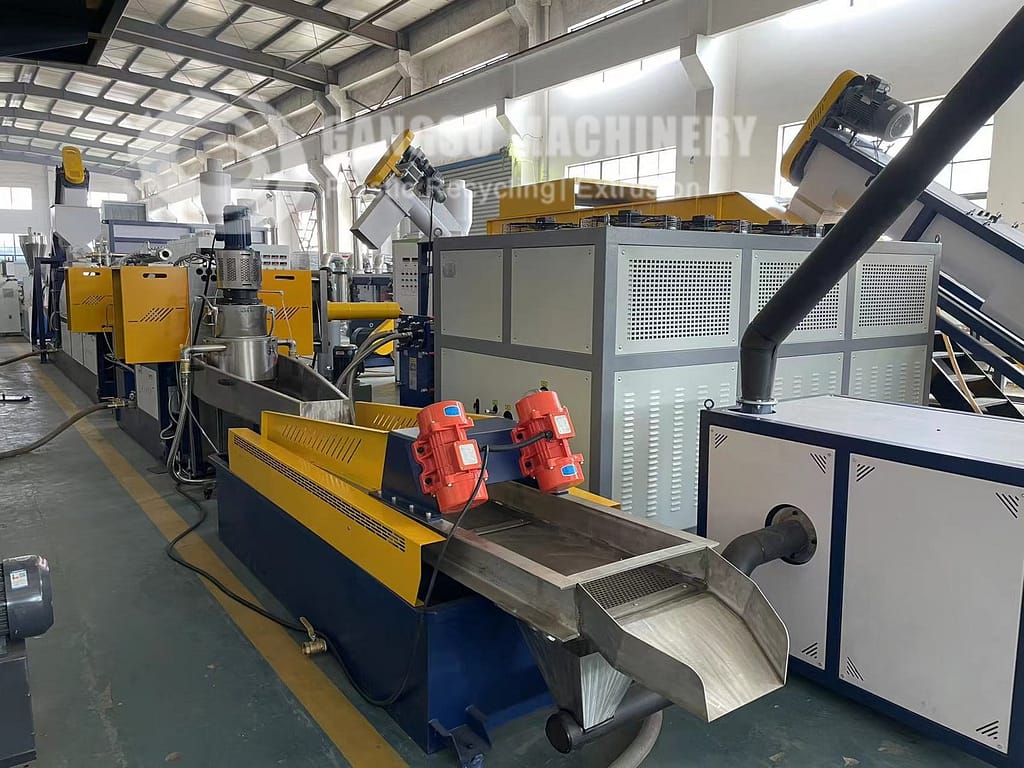
Key principle factors:
- Melting point: Different plastics melt at different temperatures, and the [pelletizing line] must be able to accommodate these variations.
- Extrusion die: The shape and size of the die play a crucial role in determining the size and uniformity of the pellets.
- Cooling system: The speed and method of cooling ensure that the pellets maintain their shape and quality.
The principle of pelletizing is a combination of heat, pressure, and mechanical action, all working together to turn waste plastic into useful, consistent pellets.
Conclusion
Plastic pelletizing lines are key to transforming plastic waste into valuable raw materials, making recycling more efficient and supporting the creation of sustainable products. The process is central to ensuring that plastic waste doesn’t end up in landfills, but instead is reused in a wide variety of industries.
-
Understanding the detailed steps can help in optimizing the recycling process, ensuring high-quality reusable materials. ↩
-
This resource can explain the critical role of precision and efficiency in achieving optimal recycling outcomes. ↩
-
Exploring this link can provide insights into how recycling processes enhance sustainability and material quality. ↩
-
Explore how polyethylene (PE) is utilized across various industries, enhancing your understanding of its versatility and applications. ↩
-
Discover the critical role of polypropylene (PP) in automotive and textile sectors, offering insights into its durability and flexibility. ↩
-
Learn about the environmental benefits and challenges of recycling PET, contributing to more sustainable manufacturing practices. ↩
-
Exploring this link will provide a comprehensive overview of how plastic pellets are utilized across various industries, enhancing your understanding of their importance. ↩
-
Discover how recycled pellets are pivotal in reducing the demand for virgin plastic, promoting a more sustainable and eco-friendly manufacturing process. ↩
-
Exploring this link will provide deeper insights into how pelletizing enhances recycling efficiency and reduces environmental impact. ↩
-
This resource explains the importance of consistent quality in recycling processes and how pelletizing contributes to it. ↩