The recycling process for PET bottles is crucial in reducing plastic waste, and hot washing plays a key role. But what kind of detergent is effective for this process? Let’s break it down.
In the hot washing stage of PET recycling, the use of specific detergents is vital to remove contaminants like oils, labels, and adhesives. The right detergent ensures that the recycled PET is clean and suitable for reuse.
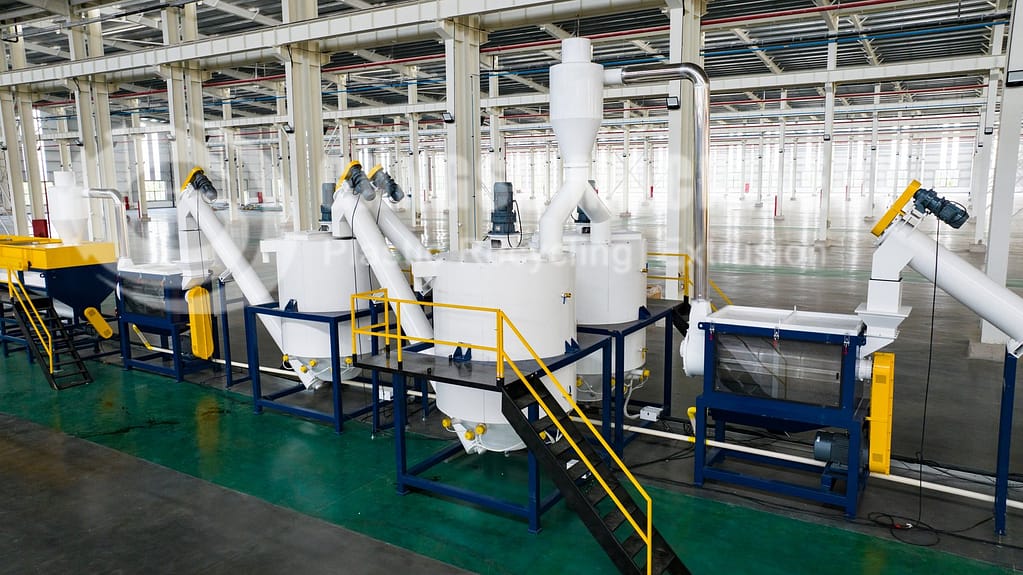
Hot washing is used primarily to remove contaminants from PET bottles. This is essential for making the plastic safe for reuse in manufacturing new products. If the bottles are not properly cleaned, any remaining residues could compromise the quality of the recycled material, making it unsuitable for high-end products like new bottles or food containers.
What are the contaminants in PET bottles?
Many factors contribute to the contamination of PET bottles during their lifecycle. These contaminants must be removed during the recycling process to ensure the integrity of the recycled material.
Contaminants in PET bottles range from organic substances to labels and adhesives. The most common contaminants include oils from food or beverages, dirt, glue, and dyes used in labels. These substances not only affect the appearance of the recycled material but also its functionality. In some cases, organic residues1 can even cause degradation of the PET resin during the recycling process. As a result, proper washing is crucial for obtaining high-quality recycled PET.
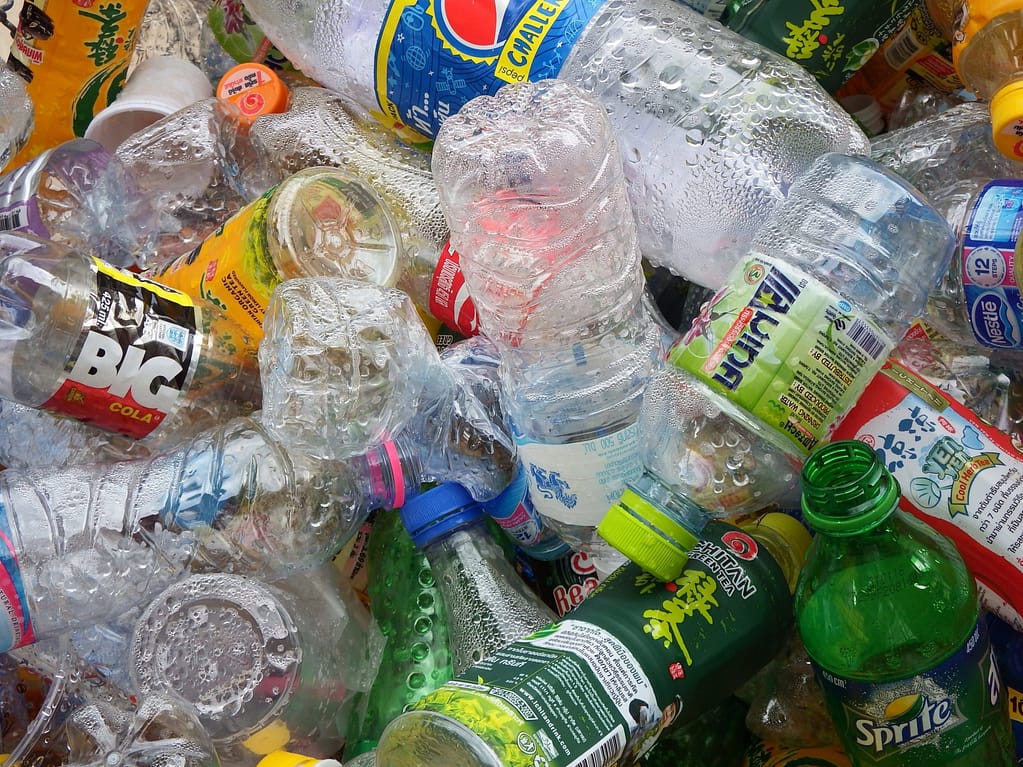
The main goal of hot washing2 is to effectively remove these contaminants. The process typically involves using water heated to high temperatures combined with detergent solutions. The heat helps to break down oils and greases, while detergents dissolve the residues. Without proper cleaning, these contaminants would prevent PET from being reused for food-grade or high-quality products.
Types of Contaminants in PET Bottles
| Contaminant Type | Source | Impact on Recycling |
|---|---|---|
| Organic residues | Food or beverage contents | Degrades material quality |
| Oils and greases | Consumer use (e.g., cooking oils) | Difficult to remove, impacts recycling efficiency |
| Labels and adhesives | Product branding | Requires removal to avoid contamination in recycling |
| Dirt and dust | Environmental exposure | Minor, but still needs removal |
What is the main purpose of thermal washing?
Thermal washing, as the name suggests, uses heat during the washing process. This section explores why heat is used and how it enhances the effectiveness of washing in the recycling process.
The primary purpose of thermal washing3 is to break down and remove organic contaminants4 such as oils, fats, and food residues. PET plastic5 is hydrophobic, meaning it doesn’t absorb water easily. Hot water helps to soften the plastic and dissolve the contaminants more effectively than cold water. Additionally, heat reduces the surface tension between the PET and the contaminant, allowing for better cleaning.
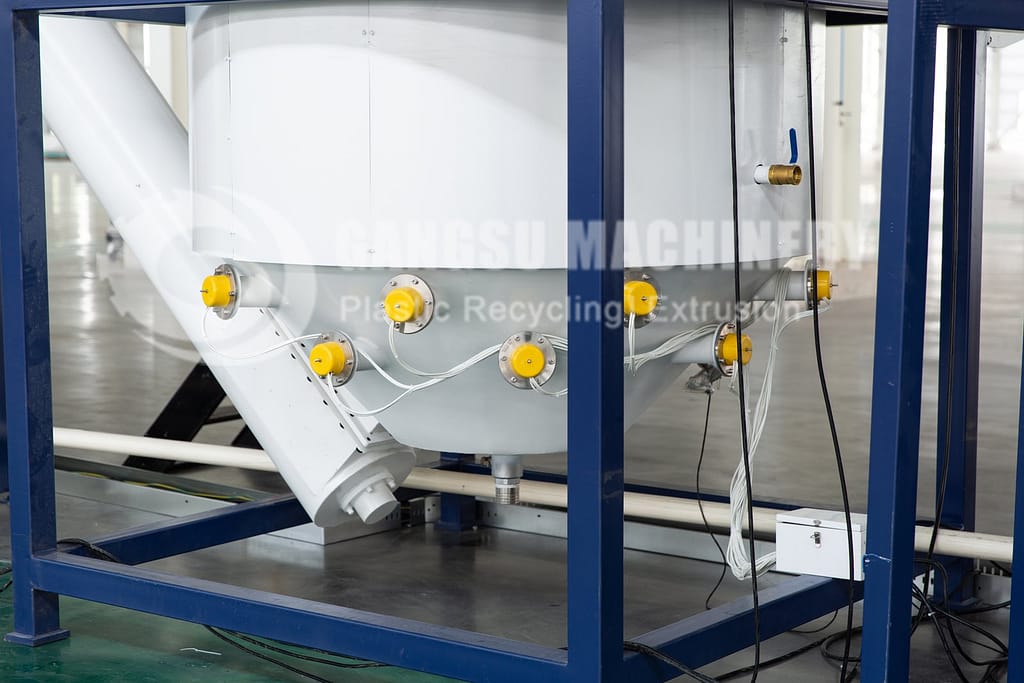
Thermal washing is more efficient than cold washing when it comes to removing difficult contaminants. For example, oils and fats that are stuck to the surface of the bottles require higher temperatures to melt and separate from the plastic. The hot water temperature helps in dissolving and emulsifying oils and greases, ensuring that no traces are left behind during the recycling process. This ensures that the final recycled product is cleaner and of higher quality.
Benefits of Thermal Washing in PET Recycling
- Improved Cleaning Efficiency: Hot water helps break down stubborn contaminants.
- Faster Processing: Heat accelerates the breakdown of contaminants.
- Better Recycled Product: Clean PET results in higher-quality recycled plastic.
What additional equipment is needed for hot washing over cold washing?
When transitioning from cold washing to hot washing in the PET bottle recycling process, additional equipment is often necessary. Here’s what’s required and why.
To accommodate the increased temperature of the washing water, special equipment is needed to maintain consistent and safe operating conditions. These include:
- Hot Water Boilers6: These are used to heat the water to the required temperature, usually between 70°C and 90°C.
- Heated Wash Tanks7: These tanks are designed to hold and circulate hot water throughout the washing process.
- Temperature Controllers8: Precise temperature control is essential to prevent overheating, which could damage the PET material or the detergent’s effectiveness.
- Efficient Filtration Systems: Hot washing can cause particles to break loose from the bottles, which requires advanced filtration systems to remove debris and keep the wash water clean.
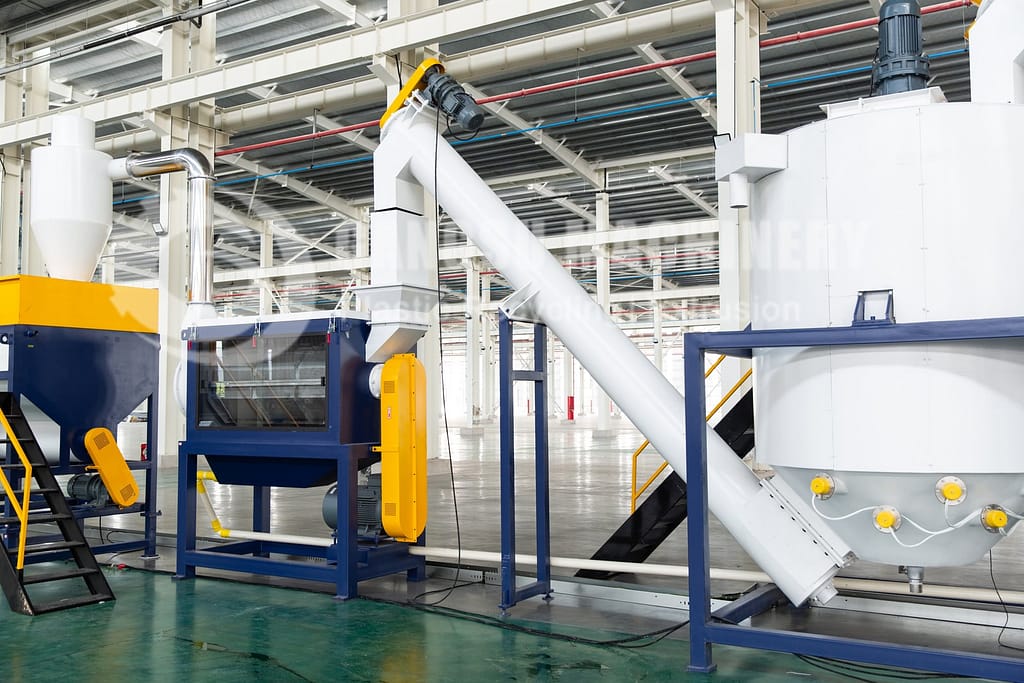
Having this equipment ensures that the hot washing process is both effective and energy-efficient. However, the increased energy requirements make it a more expensive process compared to cold washing, though the results in terms of cleaner PET are far superior.
Why Hot Washing Needs Specialized Equipment
| Equipment | Purpose | Why it’s Necessary |
|---|---|---|
| Hot Water Boilers | To heat water to the correct temperature | Necessary for maintaining the right temperature range |
| Heated Wash Tanks | To hold and circulate hot water | Required for uniform washing of all PET bottles |
| Temperature Controllers | To ensure precise heating | Prevents overheating that could degrade PET quality |
| Filtration Systems | To clean the wash water | Keeps water clean and efficient for reuse |
Which cleaning agents are safe, efficient and cost-effective?
When it comes to choosing detergents for hot washing, the right balance between effectiveness, safety, and cost is crucial. Let’s look at the best cleaning agents for the job.
For PET bottle recycling, detergents are essential in breaking down oils, adhesives, and other residues. Safe, efficient, and cost-effective detergents are typically those that:
- Contain Non-Toxic Ingredients9: Safe detergents won’t harm the environment or human health.
- Are Biodegradable10: Choosing biodegradable detergents ensures that no harmful chemicals are released into the environment during the recycling process.
- Are Efficient at Lower Concentrations11: Concentrated detergents are cost-effective and reduce the need for large amounts of chemicals.
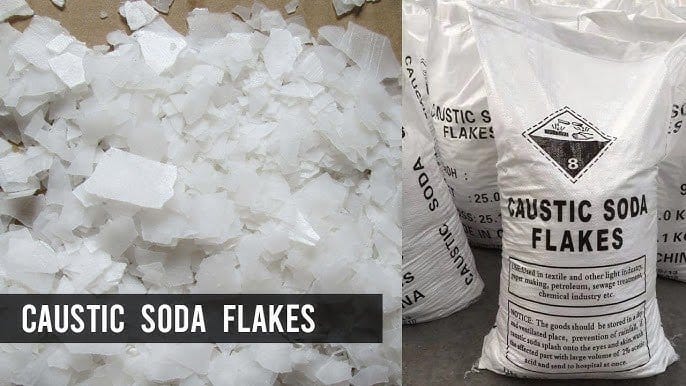
Common detergents used in the hot washing process include alkaline detergents, surfactants, and enzymes. Alkaline detergents are great for breaking down oils and grease, while surfactants help in emulsifying the contaminants. Enzymatic detergents can be used for breaking down proteins, oils, and other organic residues without harming the PET material.
Types of Detergents for Hot Washing
| Detergent Type | Function | Pros |
|---|---|---|
| Alkaline Detergents | Break down oils and grease | Effective on tough contaminants, cost-effective |
| Surfactants | Emulsify contaminants | Non-toxic, environmentally friendly |
| Enzymatic Detergents | Break down organic residues | Eco-friendly, highly efficient |
What is the ratio of detergent to water?
The detergent-to-water ratio is a key factor in the hot washing process. Getting this ratio right ensures that the process is both effective and cost-efficient.
The general ratio for detergent in hot washing varies depending on the type of detergent used and the level of contamination in the PET bottles. However, the typical range is between 0.5% to 2% detergent1 in the wash solution. This means for every liter of water, 5 to 20 grams of detergent are added. Too little detergent will lead to insufficient cleaning, while too much detergent can create excess foam, making the washing process less efficient and more costly.
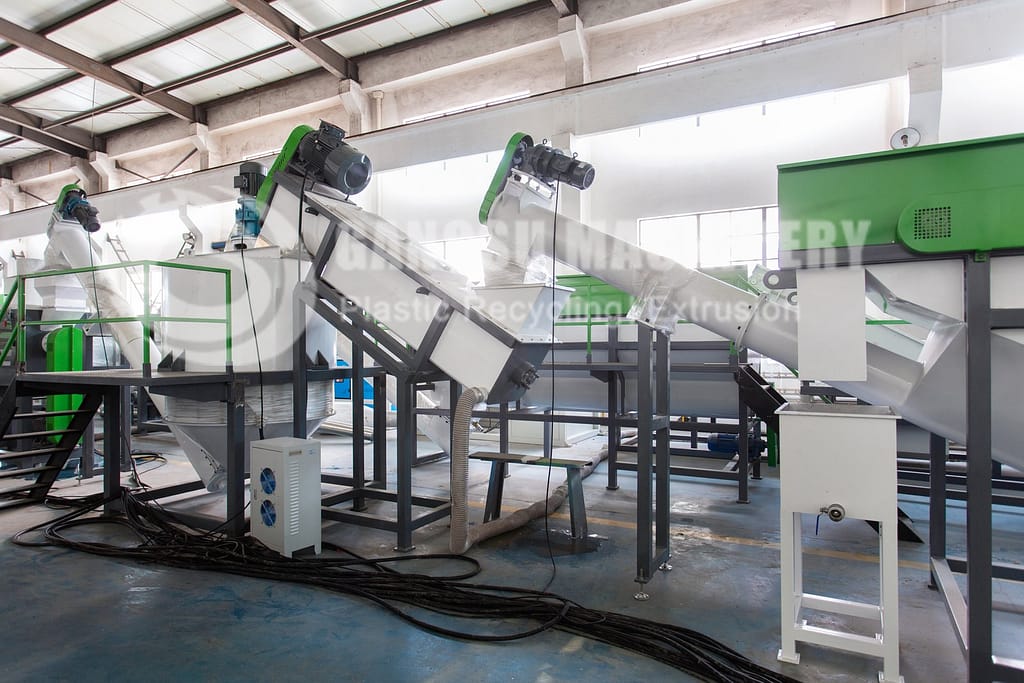
Typically, the detergent-to-water ratio for PET bottle hot washing is:
- General Detergents: A common ratio is 1:100 (1 part detergent to 100 parts water)2.
- Alkaline Detergents: May be used at a slightly higher concentration, such as 1:503, depending on the level of contamination.
- Enzyme Detergents: Often used in smaller quantities, around 1:200, as they are highly concentrated and potent.
Best Practices for Detergent Usage
- Measure Precisely: Follow manufacturer recommendations for the detergent-to-water ratio.
- Adjust for Contaminant Level: Heavily contaminated bottles may require higher detergent concentrations.
- Monitor Performance: Regularly assess the effectiveness of the wash and adjust detergent levels as needed.
Conclusion
Choosing the right detergent for the hot washing process is key to achieving clean, high-quality recycled PET. By understanding the contaminants, purpose of thermal washing, and proper detergent usage, we can make the recycling process more efficient and sustainable.
-
Organic residues can degrade the quality of recycled PET, making it essential to understand their impact for effective recycling strategies. ↩ ↩
-
Hot washing is a critical step in the recycling process, ensuring the removal of oils, greases, and other residues to maintain the quality of recycled PET. ↩ ↩
-
Exploring the benefits of thermal washing can provide insights into its efficiency and effectiveness in recycling, leading to better quality recycled products. ↩ ↩
-
Learning about the removal of organic contaminants is crucial for improving the cleanliness and quality of recycled materials. ↩
-
Understanding the impact of thermal washing on PET plastic can help in optimizing recycling processes for higher quality outcomes. ↩
-
Discover how hot water boilers enhance the efficiency and effectiveness of the PET bottle recycling process, ensuring optimal temperature control. ↩
-
Learn about the role of heated wash tanks in maintaining uniform temperature for thorough cleaning of PET bottles. ↩
-
Understand the importance of temperature controllers in preventing overheating and preserving the quality of PET materials during recycling. ↩
-
Exploring non-toxic ingredients in detergents can reveal safer, healthier options for both the environment and human health, ensuring a sustainable cleaning process. ↩
-
Understanding the importance of biodegradable detergents can help in choosing products that minimize environmental impact, promoting a healthier planet. ↩
-
Learning about concentrated detergents can offer insights into reducing chemical usage and costs, while also lessening environmental harm. ↩