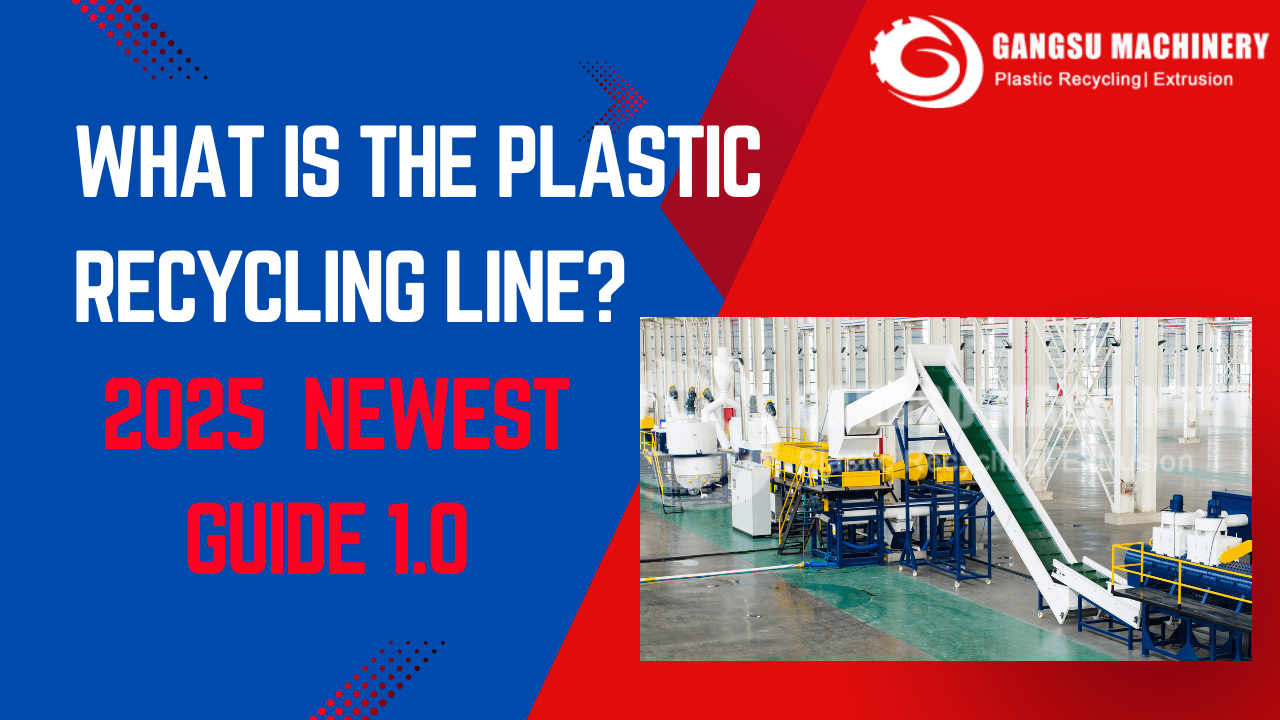
In the world of plastic recycling, efficiency and cleanliness are the keys to success. The washing process is vital, and friction washers play a pivotal role in it. But why exactly are they so important?
Friction washers are essential in plastics recycling lines as they help remove contaminants and excess water from plastic materials, ensuring that the plastic is clean and ready for reprocessing. Without them, the efficiency of the entire recycling process would suffer.
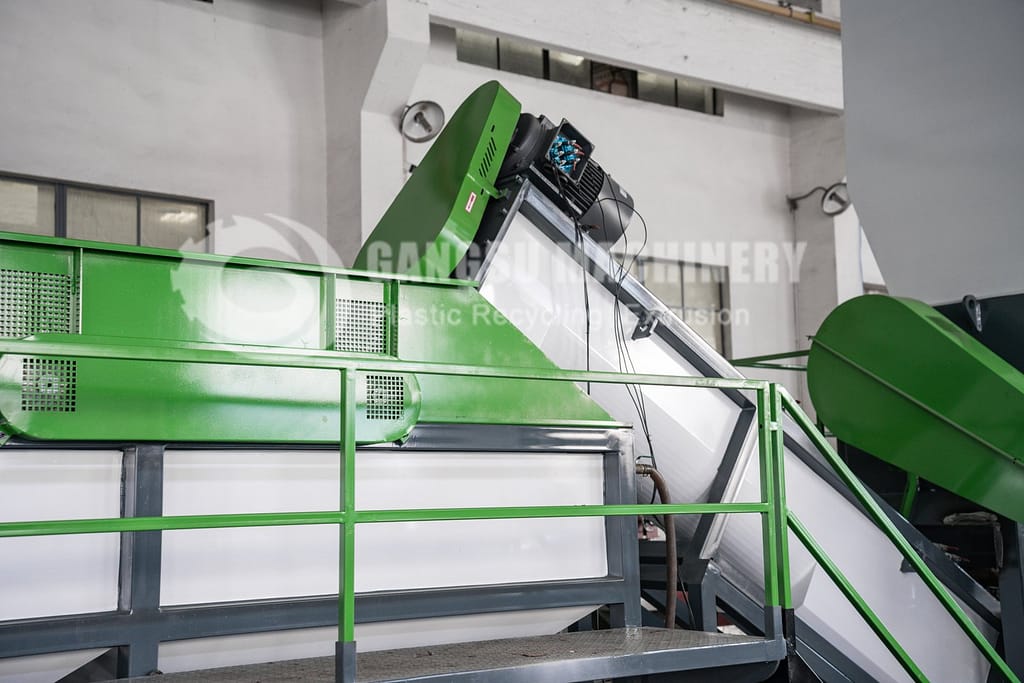
As recycling becomes more crucial to reduce waste and conserve resources, understanding the role of friction washers in this process is fundamental. Let’s explore their functions, importance, and types, and why they’re an indispensable part of the recycling line.
What is the friction washer in a plastic washing recycling line?
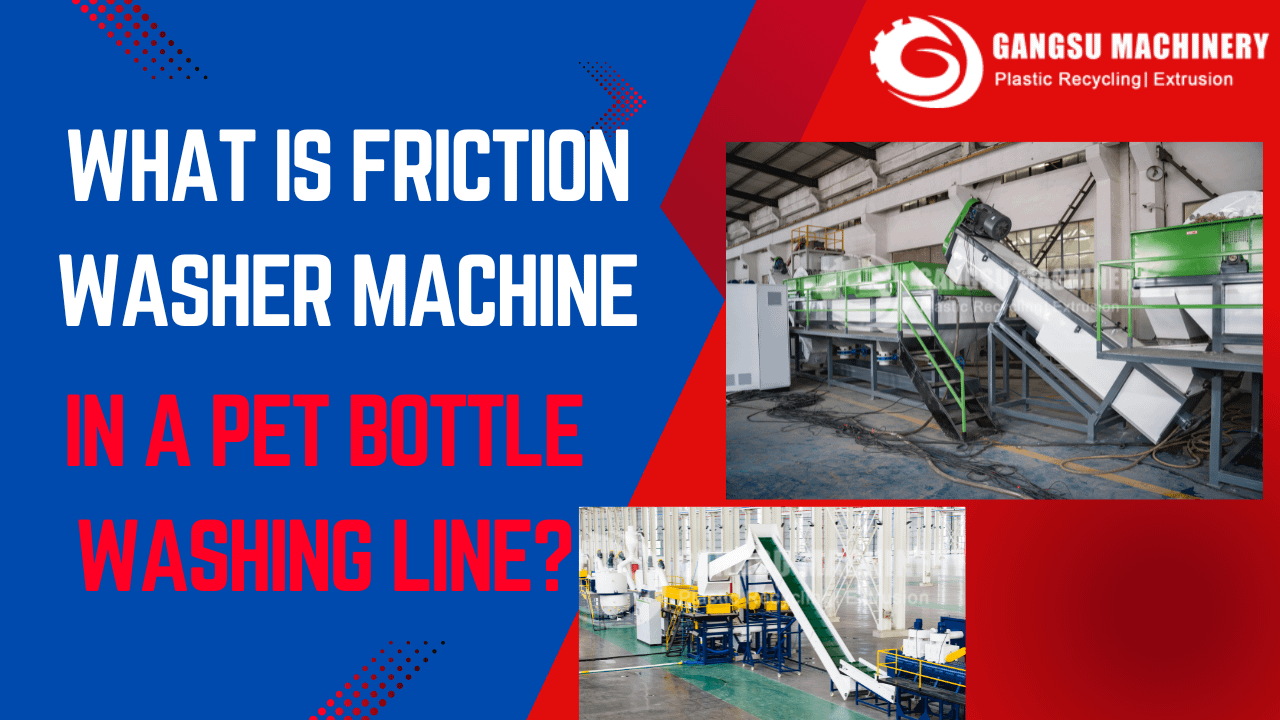
Friction washers are devices used in plastic washing and recycling lines1 to clean plastic materials, such as PET, PE, and PP, by utilizing mechanical friction. They typically follow the initial washing phase and work by spinning the plastic material at high speeds. This spinning action generates friction, which removes dirt, labels, and other contaminants from the plastic surfaces.
Friction washers are crucial for removing both surface dirt and residual water, making plastics cleaner and easier to process for recycling. This step ensures the material is of high quality, which is essential for producing recycled plastic pellets.

How does a friction washer work?
The process begins once the plastic waste enters the friction washer. It’s typically fed into the washer after going through a pre-wash to remove larger debris. Inside the washer, the plastic is subjected to a high-speed rotating drum, where friction between the plastic pieces generates heat. This heat, combined with the mechanical agitation, helps break down stubborn contaminants.
This action also causes the plastic to lose any remaining water, reducing moisture content to the optimal level. The friction washer can effectively remove contaminants such as adhesives, dirt, oil, and other residues, leaving the plastic clean and ready for the next step in the recycling process.
Benefits of a friction washer in recycling:
- High Efficiency: The rotating mechanism works rapidly, allowing for faster cleaning.
- Water Removal: The washer also extracts water from the plastic, ensuring it’s not too wet for further processing.
- Contaminant Removal: It ensures that most contaminants, including oils, labels, and dirt, are eliminated, ensuring higher-quality output.
What types of plastic washing lines can a friction washer be used in?
Friction washers can be incorporated into various types of plastic washing lines, from simple single-stage setups to more complex multi-stage systems. Their versatility makes them a suitable choice for a wide range of applications in plastics recycling.
Friction washers are used in most plastic washing lines, especially in processes involving post-consumer plastic waste. They can be part of both large-scale industrial plants and smaller operations, depending on the scale of recycling.
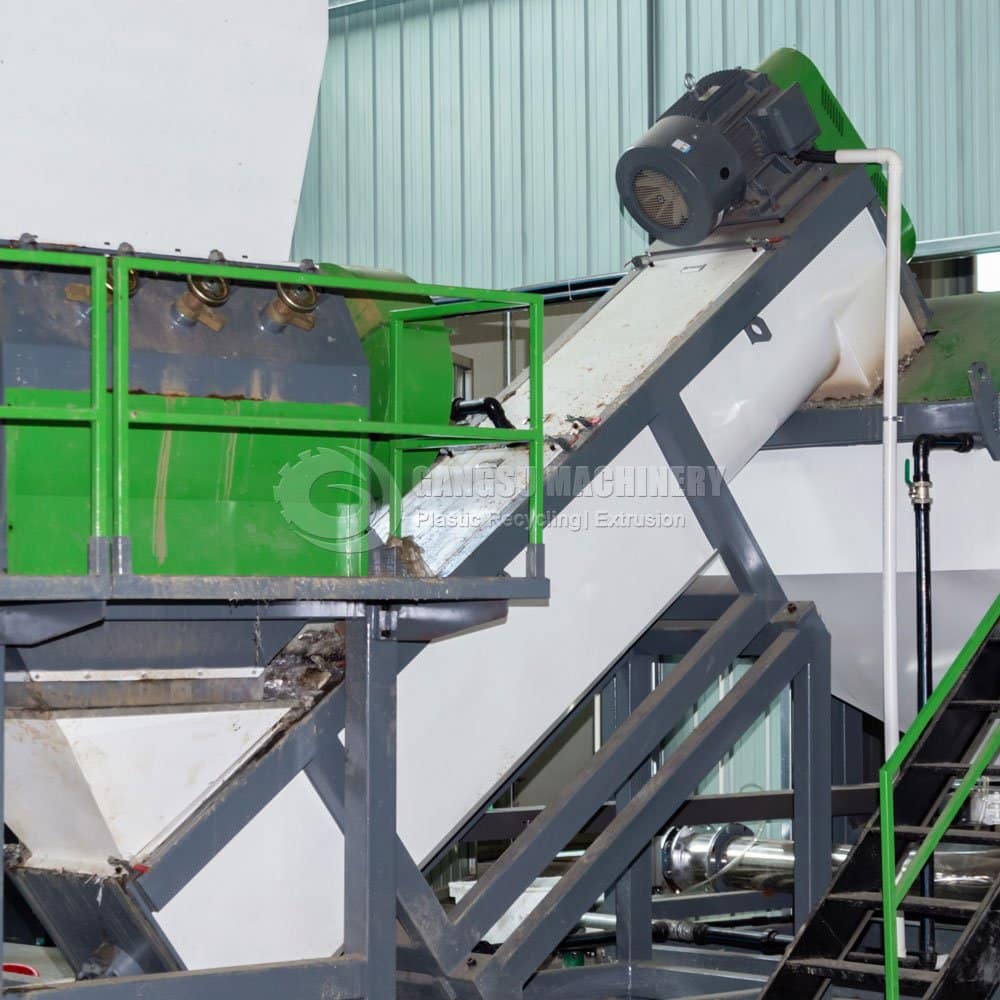
Types of washing lines that benefit from friction washers2:
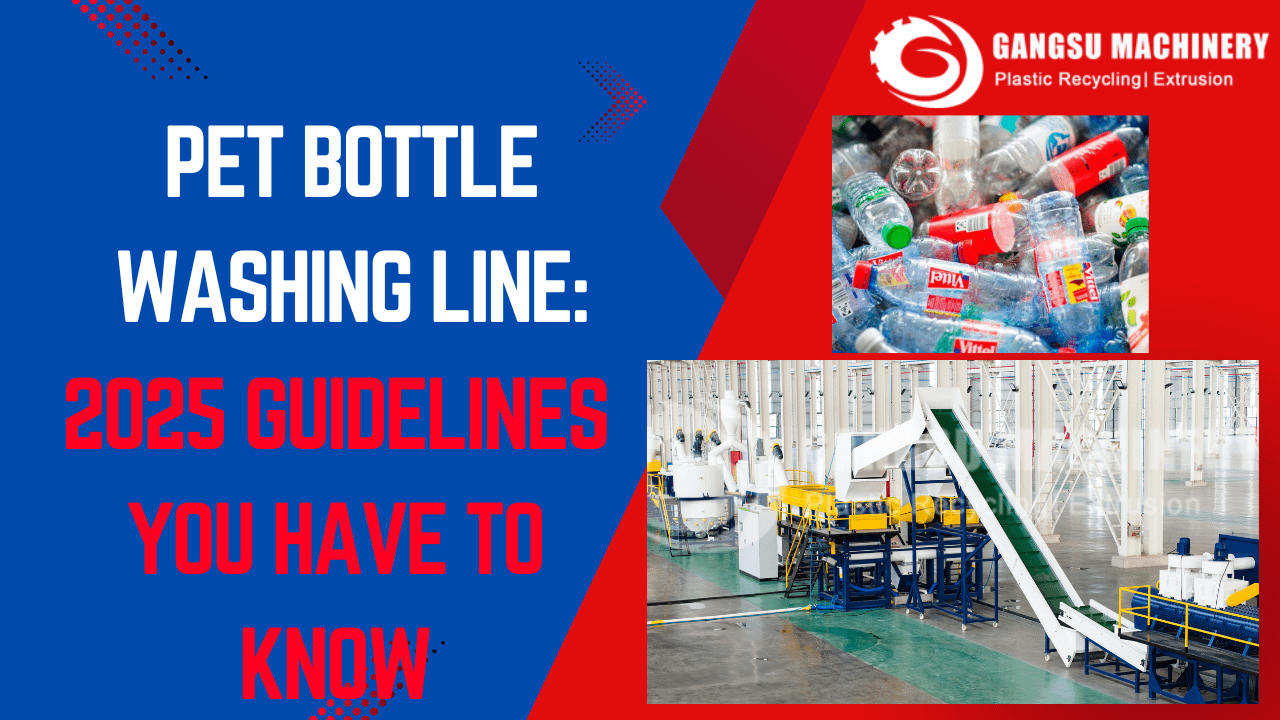
- PET washing lines3 – PET plastics, such as bottles and containers, are often recycled using friction washers to clean contaminants such as labels and glue.
- HDPE and LDPE washing lines4 – These polyethylene plastics often contain dirt and oil that friction washers are particularly good at removing.
- Mixed plastic washing lines – For facilities processing a variety of plastics, friction washers are excellent for handling different types of contamination.
The flexibility in applications is one reason why friction washers are so widely used in the recycling industry.
Are washers really necessary?
The short answer is: yes, they are. The need for washers in plastics recycling is undeniable. Without an effective cleaning process5, the quality of recycled materials would be compromised. Plastics that are not thoroughly cleaned may contain impurities that affect the quality of the final product, making it unsuitable for reuse in high-quality applications.
Washers, including friction washers, ensure that plastic materials are sufficiently cleaned, reducing the risk of contamination in the final recycled products6. This helps to maintain the integrity of the recycling process.

Why friction washers are necessary:
- Improved Material Quality: Clean plastics can be easily reprocessed into high-quality products.
- Energy Efficiency: A cleaner plastic material reduces the need for energy-consuming processes later on.
- Cost-Effectiveness: Eliminating contaminants early saves on labor and energy costs in later stages of recycling.
Without these washers, you would face greater contamination issues, slower processing times, and higher costs associated with recycling.
What types of friction washers are available?
There are several types of friction washers available in the market, and each serves a different need depending on the specific requirements of a recycling plant.
The main types of friction washers vary in design, size, and functionality. Some are more suited for high volumes of plastics, while others are designed for more specialized tasks.
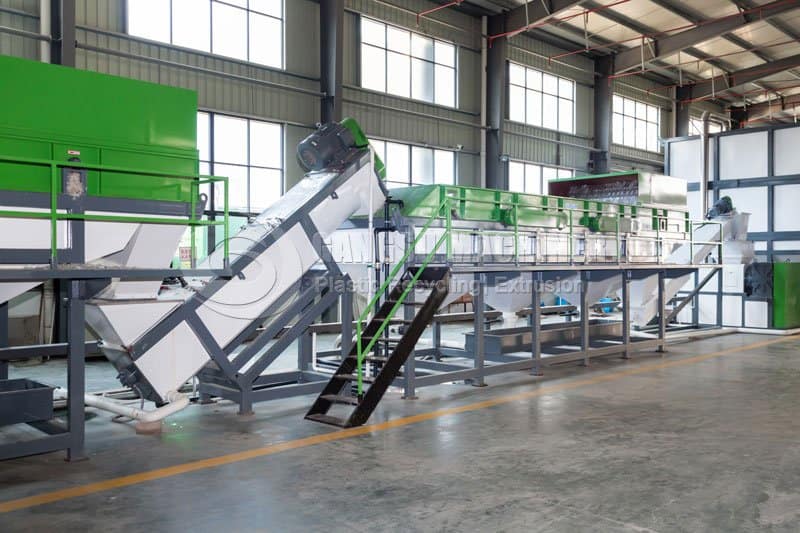
Common types of friction washers:
- Vertical Friction Washers1: These washers operate in a vertical configuration, where plastic waste is fed into a vertical drum. The friction is generated by the contact between plastic materials as they tumble in the drum.
- Horizontal Friction Washers2: These operate in a horizontal setup, where materials are cleaned by a rotating drum. Horizontal washers are typically used for larger volumes of plastics and can handle more robust applications.
- Inline Friction Washers3: These are designed to work seamlessly with other washing stages in an inline process, providing continuous and automated cleaning.
Each type of washer is designed for specific recycling needs, and selecting the right one depends on the materials being processed, the scale of operation, and the cleanliness requirements.
Conclusion
Friction washers are essential for ensuring clean, high-quality plastic for recycling. Without them, the efficiency and quality of plastic recycling lines would suffer significantly.
-
Learn about the critical role of plastic washing and recycling lines in preparing materials for recycling, ensuring cleanliness and quality. ↩ ↩
-
Discover how friction washers enhance plastic recycling efficiency, offering versatility and effectiveness in removing contaminants from various plastics. ↩ ↩
-
Learn about the role of PET washing lines in recycling, focusing on their ability to clean PET plastics effectively, ensuring higher quality recycled materials. ↩ ↩
-
Explore the significance of HDPE and LDPE washing lines in recycling, highlighting their capability to remove dirt and oil, crucial for producing clean recycled polyethylene. ↩
-
Learn about the critical role of thorough cleaning in maintaining the integrity and usability of recycled plastic materials. ↩
-
Explore the negative effects of contamination on recycled plastics and how it affects their suitability for high-quality applications. ↩