Have you ever seen plastic flakes with stubborn dirt particles that ruin entire batches of recycled pellets? Contaminated plastics cause 23% of recycling failures globally. Let me explain how plastic washing machines solve this critical problem.
A plastic washing machine removes dirt, adhesives, and chemical residues from post-consumer plastics through shredding, washing, and drying processes. These systems are essential for transforming dirty waste into clean raw materials for recycling.
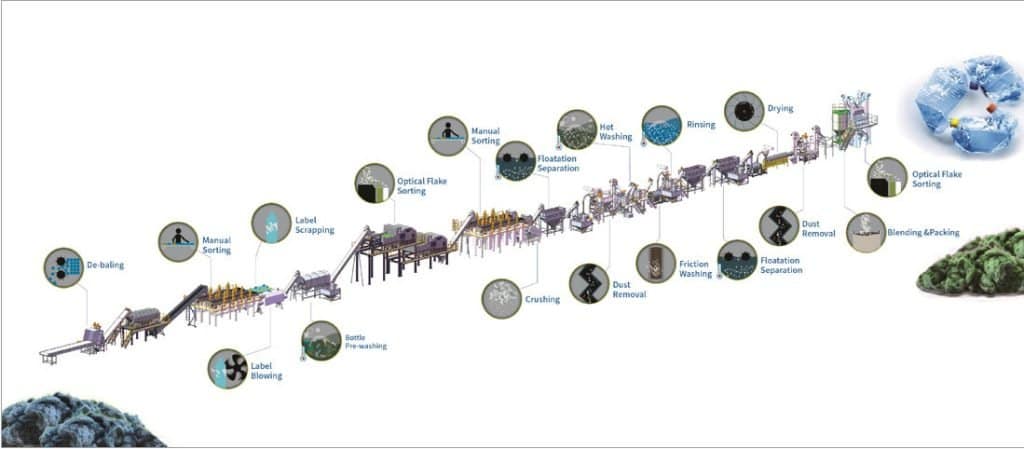
While the basic concept seems simple, choosing the right washing system requires understanding material types, contamination levels, and production goals. Let’s break down the key aspects every plant operator should know.
What is Plastic Washing?
Imagine trying to recycle food containers still coated with ketchup and grease. Plastic washing1 removes organic residues2, sand, metal fragments, and label adhesives through mechanical and chemical processes. Without this step, contaminants would weaken recycled materials and damage extrusion machinery.
The washing process typically involves 5 stages: pre-sorting, coarse crushing, hot washing, friction cleaning, and final rinsing. Each stage targets specific contaminants – hot water dissolves food residues while rotating brushes scrub off glued paper labels.
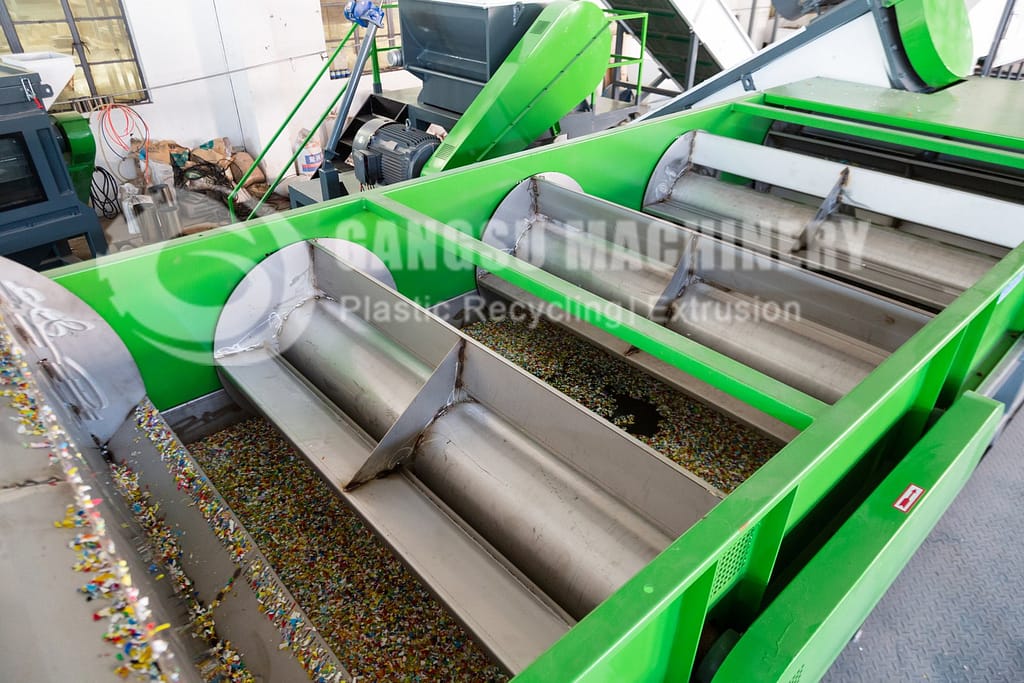
The Science Behind Effective Cleaning
Different plastics require tailored washing approaches. Here’s how major contaminants get removed:
| Contaminant Type | Removal Method | Equipment Used |
|---|---|---|
| Organic residues | Hot water (70-90°C) | Hot wash tank |
| Sand/soil | Turbulent water flow | Friction washer |
| Glues/adhesives | Chemical solvents | Specialized baths |
| Metal fragments | Magnetic separation | Drum magnets |
| Paper labels | Mechanical friction | Rotary brush washers |
The water temperature and detergent formulas vary based on plastic type. PET bottles need alkaline solutions to remove glue, while PP caps require neutral detergents to prevent material degradation. Modern systems recycle 85-90% of process water through filtration units.
How Plastic Recycling Machine (System) Work?
Picture a car wash designed for shredded plastic. The full recycling system doesn’t just wash – it transforms dirty waste into uniform pellets. From initial sorting to final extrusion, each machine has specific functions that impact your production quality.
A complete plastic recycling line3 combines washing machines with shredders, dryers, and pelletizers. The washing system alone consumes 40-60% of total energy, making efficiency crucial for profitable operations. Proper sequencing ensures contaminants get removed without damaging plastic flakes.
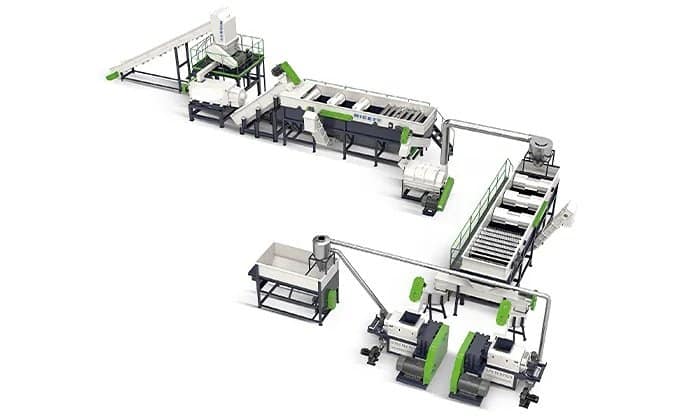
The Recycling Chain Breakdown
Here’s what happens inside a typical system:
-
Pre-sorting Station
Workers remove non-plastic items and separate materials by type/polymer -
Coarse Crusher
Reduces bulk items into 10-20mm flakes for easier washing -
Density Separator
Floats/sinks materials to remove metals and heavy contaminants -
Hot Wash Tank
Heated water with detergents dissolves organic matter -
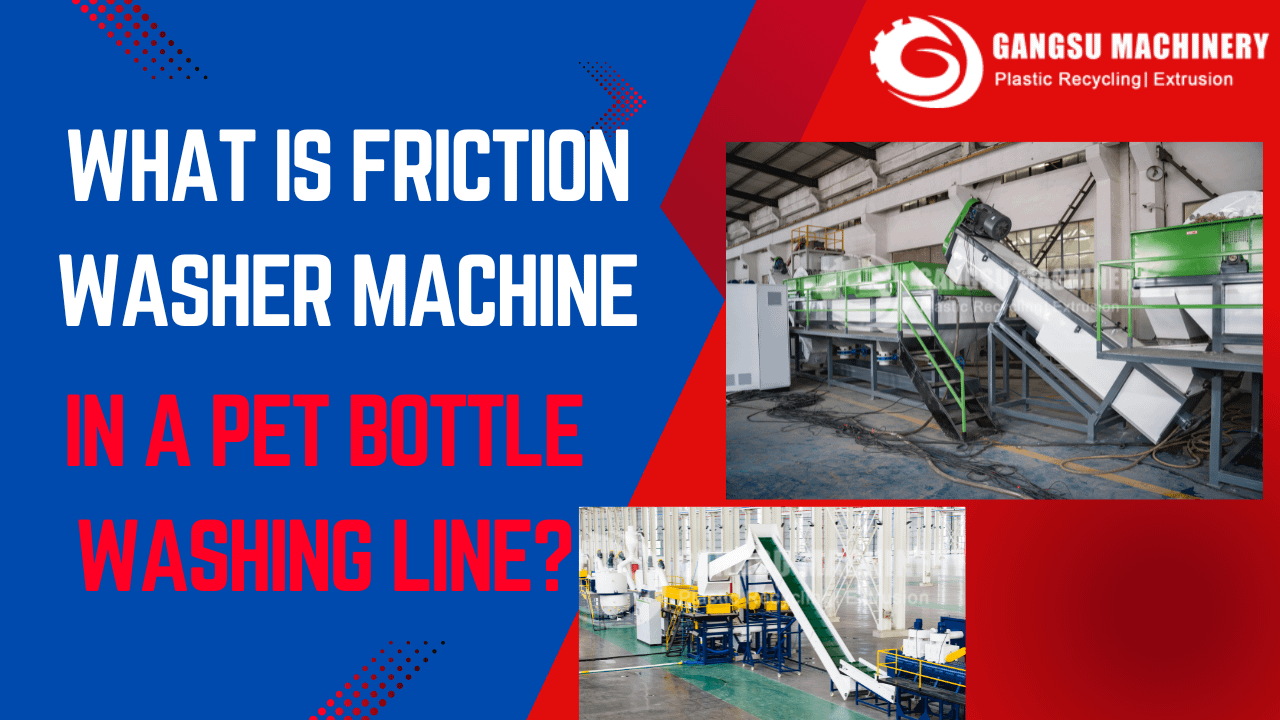
Friction Washer
Rotating paddles scrub off remaining impurities -
Rinse Tanks
Removes detergent residues through 2-3 stage washing -
Centrifugal Dryer
Spins flakes at 1200 RPM to reduce moisture below 5% -
Pelletizing Extruder
Melts clean flakes into uniform pellets for manufacturing
Each stage impacts final product quality. For example, insufficient drying leaves moisture that creates bubbles during extrusion. I’ve seen plants lose $8,000/day from skipping just one rinse cycle.
What Types of Plastics Can Be Washed?
Not all plastics survive the washing process equally. While PP4 and HDPE5 handle aggressive cleaning, PVC6 and polystyrene require gentler treatment. Choosing wrong settings can turn valuable recyclables into useless mush.
Most washing systems handle these common recyclables:
- PET (bottles)
- HDPE (jugs, pipes)
- LDPE (films, bags)
- PP (caps, containers)
- ABS (electronics housings)
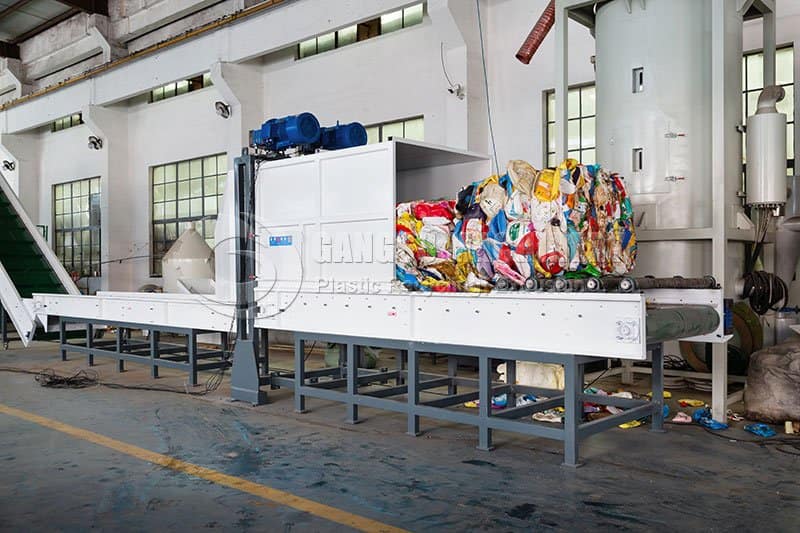
Material-Specific Washing Requirements
| Plastic Type | Max Temp | Detergent Type | Special Considerations |
|---|---|---|---|
| PET | 85°C | Alkaline | Remove sleeve labels |
| HDPE | 95°C | Neutral | Prevent oxidation |
| LDPE Film | 60°C | Non-foaming | Avoid melting |
| PP | 90°C | Acidic | Degrease thoroughly |
| PVC | 50°C | Solvent-free | Prevent hydrolysis |
PET requires extra care – overheated water makes flakes brittle. For PVC, moisture control is critical to prevent hydrochloric acid formation. Always test new materials with small batches before full-scale processing.
What Equipment is Included in a Plastic Washing System?
A basic washing line starts at $150,000, but missing just one component can double operational costs. From pre-treatment to water recovery, every machine plays a vital role in maintaining efficiency.
Essential equipment includes:
- Pre-shredder
- Hot wash tank
- Friction washer
- Rinse tanks
- Dewatering machine
- Drying system
- Water treatment unit
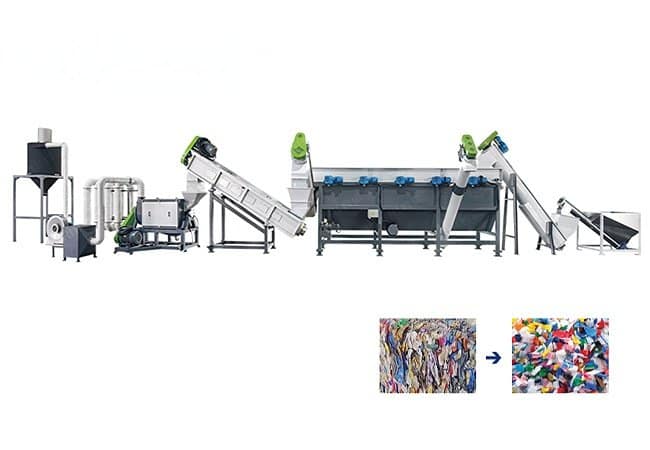
Component Deep Dive
| Equipment | Function | Cost Range | Energy Use |
|---|---|---|---|
| Turbo Washer7 | High-speed impurity removal | $28,000-$45k | 55-75 kW |
| Screw Conveyor | Material transport between stations | $12,000-$20k | 7.5 kW |
| Centrifuge Dryer | Reduces moisture to <5% | $65,000-$90k | 110-130 kW |
| Water Filtration | Recycles 85% process water | $40,000+ | 18-22 kW |
| Label Separator | Removes floating paper labels | $15,000-$25k | 5.5 kW |
The water treatment system often gets overlooked, but it’s crucial for environmental compliance. Modern plants use three-stage filtration8: drum filters remove large particles, dissolved air flotation handles oils, and reverse osmosis treats chemical residues.
Conclusion
Choosing plastic washing machines requires analyzing material types, contamination levels, and production targets. Proper system design reduces energy costs by 30% while improving output quality – critical factors for plant profitability. Visit PlasMachiens for personalized equipment recommendations.
-
Understanding plastic washing is crucial for effective recycling processes and improving material quality. Explore this link to learn more! ↩
-
Discover the methods used to eliminate organic residues, ensuring high-quality recycled materials. This knowledge is vital for sustainable practices. ↩
-
Understanding the plastic recycling line is essential for optimizing production and ensuring quality in recycling processes. ↩
-
Understanding PP’s washing requirements can help ensure effective recycling and prevent damage during the process. ↩
-
Proper washing techniques for HDPE are crucial for maintaining its quality and ensuring successful recycling. ↩
-
Exploring the challenges of washing PVC can provide insights into effective recycling practices and material preservation. ↩
-
Explore how a Turbo Washer enhances impurity removal, crucial for maintaining high-quality recycled materials. ↩
-
Learn about three-stage filtration to grasp its importance in recycling and environmental protection. ↩