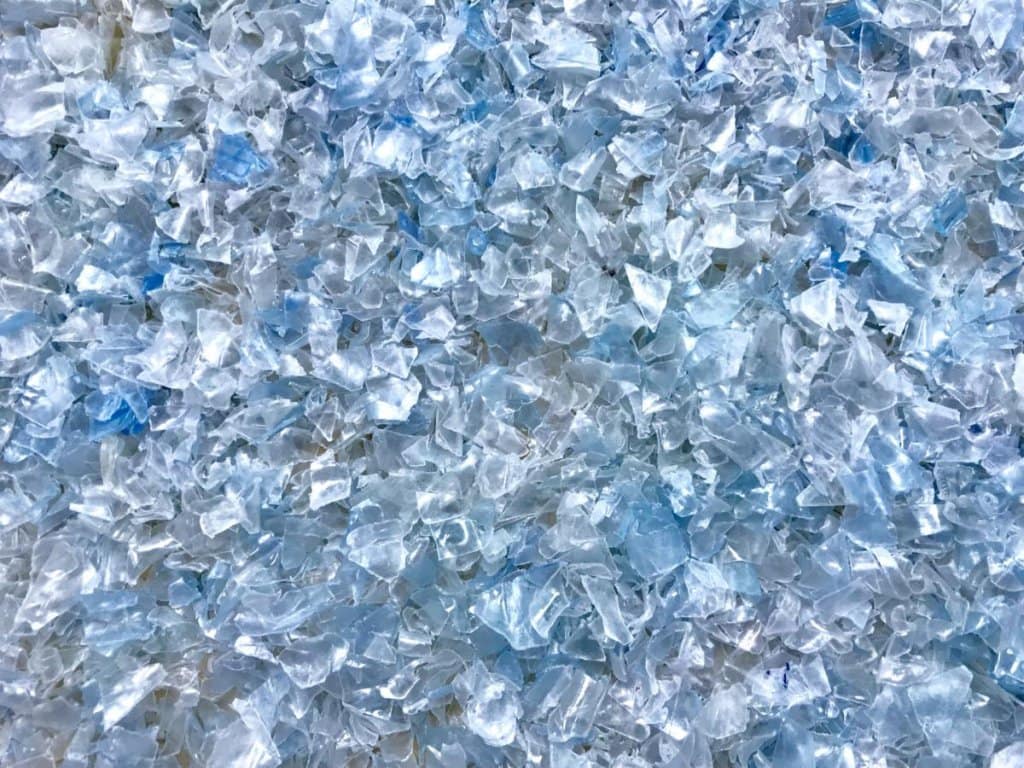
Plastic recycling plants face a common challenge: achieving clean, high-quality PET flakes. Contaminants like labels, glue, and dirt can lower product quality and affect downstream processes.
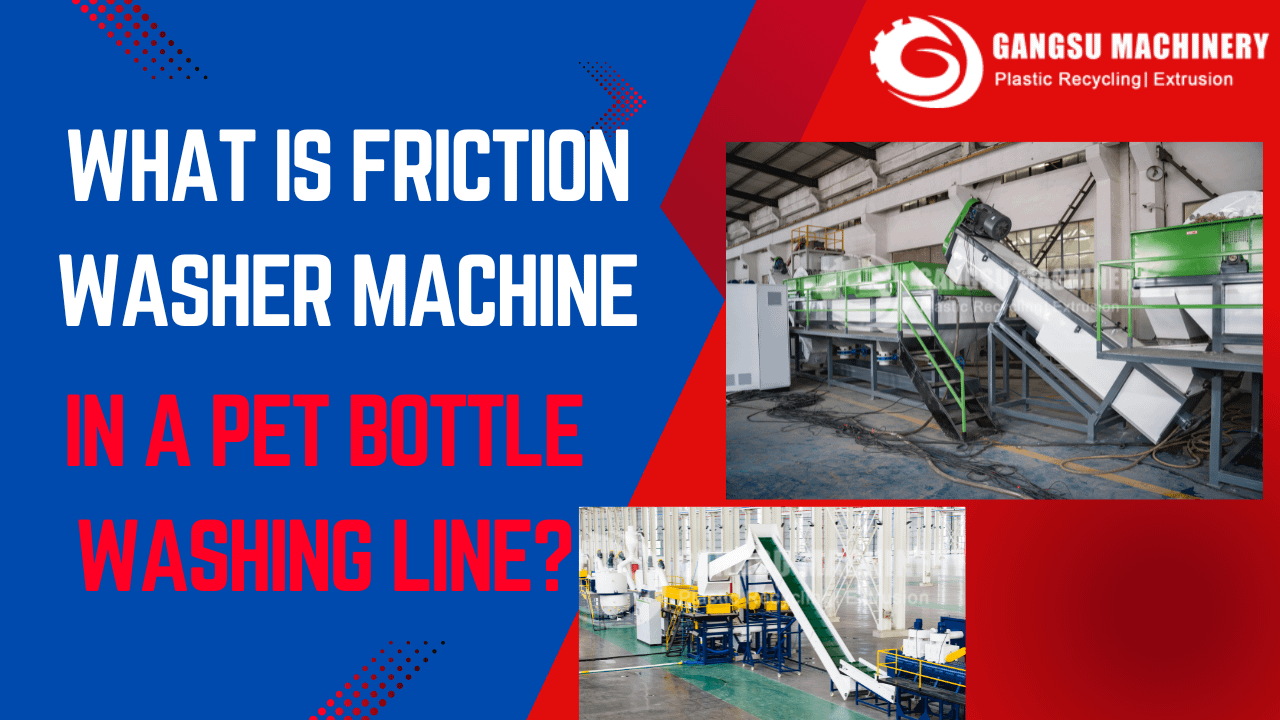
A friction washer machine is a powerful cleaning device that uses high-speed spinning paddles and water to remove stubborn contaminants from PET flakes. It significantly improves washing efficiency in a PET bottle recycling line.
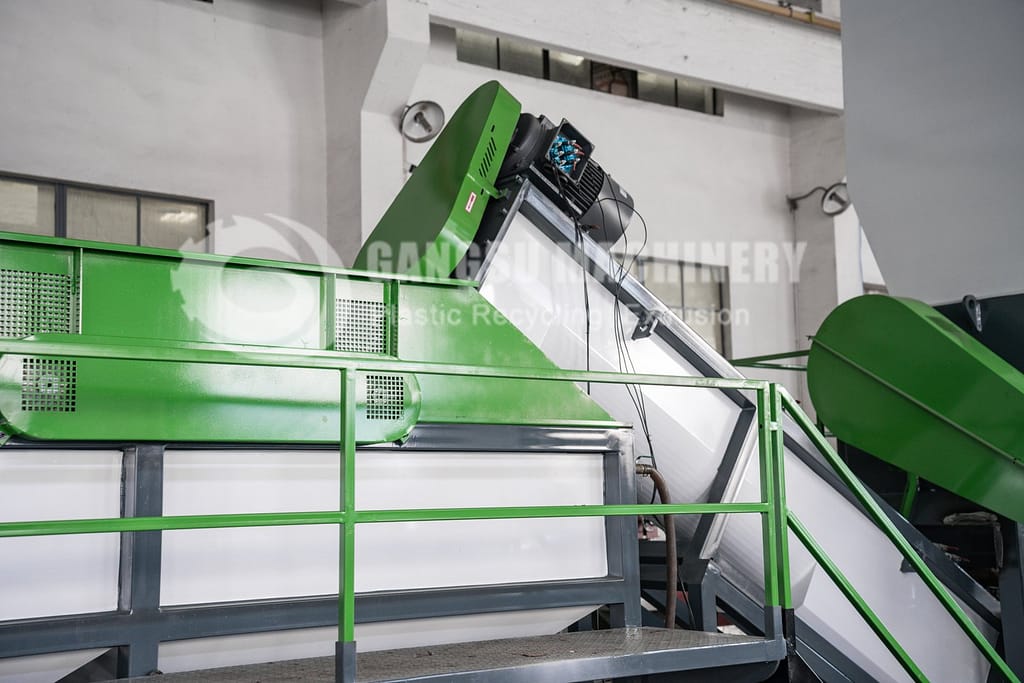
Understanding how a friction washer works and its role in PET recycling can help improve your plant’s efficiency and product quality.
How does a friction washer machine work?
Contaminants like dirt, labels, and glue can cling stubbornly to PET flakes1, even after crushing and pre-washing.
A friction washer2 spins PET flakes at high speed while spraying them with water. The centrifugal force3 forces contaminants away, ensuring cleaner PET flakes.
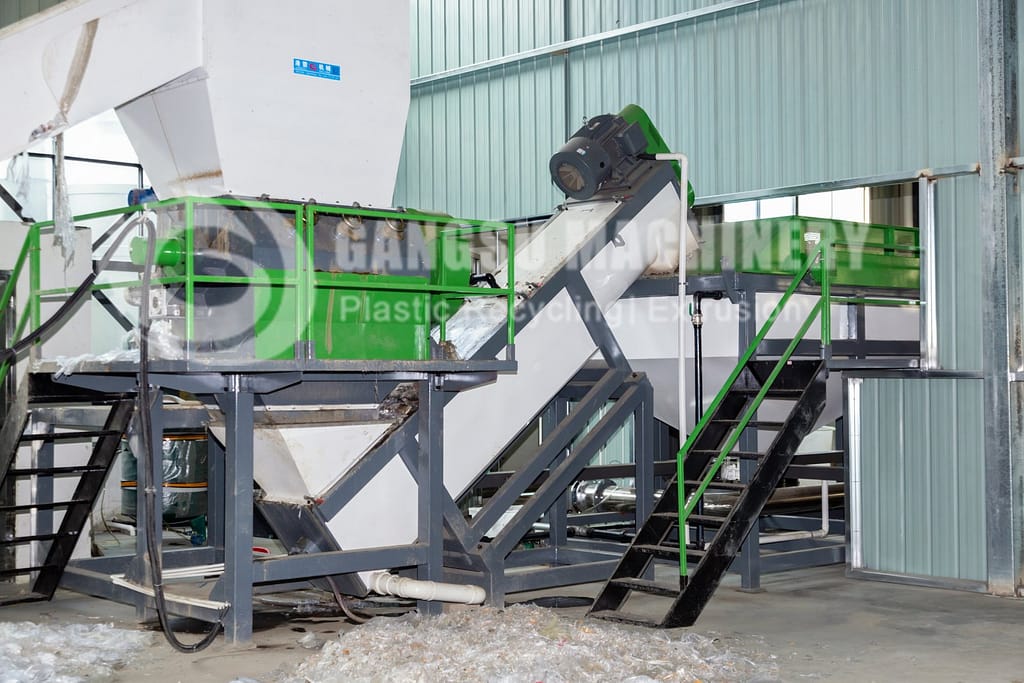
Key Components of a Friction Washer
| Component | Function |
|---|---|
| Rotating Shaft | Spins at high speed to create centrifugal force. |
| Paddles/Blades | Agitates the PET flakes to scrub away dirt and glue. |
| Water Injection System | Introduces water to flush away contaminants. |
| Screening Mesh | Filters out debris and allows clean PET flakes to pass. |
By combining mechanical agitation with water flow, friction washers effectively clean PET flakes without excessive wear or damage.
Why is a friction washer machine essential in a PET bottle washing line?
PET bottle recycling plants often struggle with achieving the desired purity levels for high-quality PET flakes.
The friction washer machine4 removes stubborn contaminants5, improving PET flake purity6 and ensuring better quality for downstream processes like extrusion or pelletizing.
Benefits of Using a Friction Washer
- Superior Cleaning: Removes stubborn glue, dirt, and labels.
- Improved Efficiency: Enhances downstream processes by ensuring cleaner flakes.
- Reduced Contaminants: Reduces issues like black specks in final PET pellets.
Without a friction washer, impurities may remain in the PET flakes, lowering the final product’s value.
What types of contaminants does a friction washer remove?
PET bottle waste often contains various contaminants7 that can degrade product quality.
A friction washer effectively removes glue residues, oils, food particles, and loose labels from PET flakes.
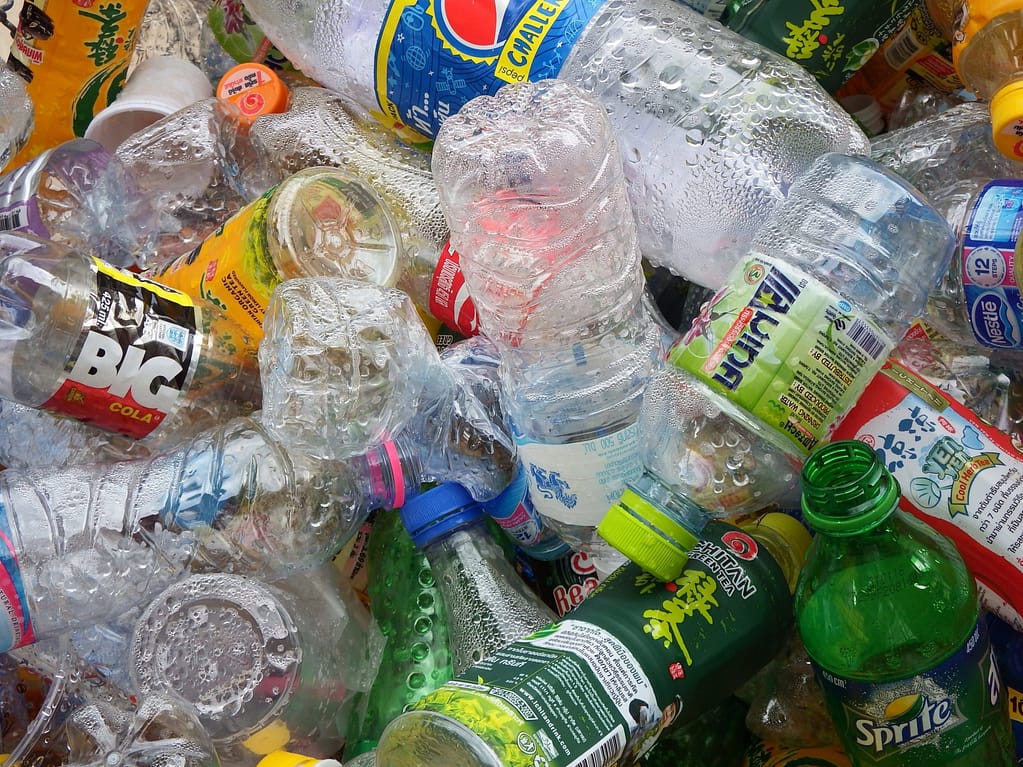
Common Contaminants Removed by Friction Washers
| Contaminant Type | Source | Removal Effectiveness |
|---|---|---|
| Glue Residues | Labels and stickers | Excellent |
| Oils and Grease | Food or beverage residues | Good |
| Loose Labels | Detaching during crushing | Excellent |
| Dirt and Dust | Improper storage or handling | Excellent |
A friction washer’s high-speed scrubbing ensures these impurities are efficiently removed before the flakes proceed to hot washing or drying.
Where should the friction washer machine be placed in a PET bottle washing line?
Correct positioning of the friction washer is crucial to optimizing its cleaning power.
The friction washer is typically placed after the crusher but before the hot washing tank8 in a PET bottle washing line9.

Ideal Positioning in the Washing Line
- Crusher: Reduces PET bottles into smaller flakes.
- Friction Washer: Removes stubborn contaminants.
- Hot Washing Tank: Further eliminates glue and oil residues.
- Centrifugal Dryer: Removes excess moisture from PET flakes.
By placing the friction washer immediately after crushing, the machine effectively removes contaminants that would otherwise hinder downstream washing.
How do you maintain a friction washer machine for optimal performance?
Like any industrial machine, a friction washer requires regular maintenance to perform effectively.
Routine cleaning, inspecting paddles, and ensuring water flow efficiency are key maintenance steps.
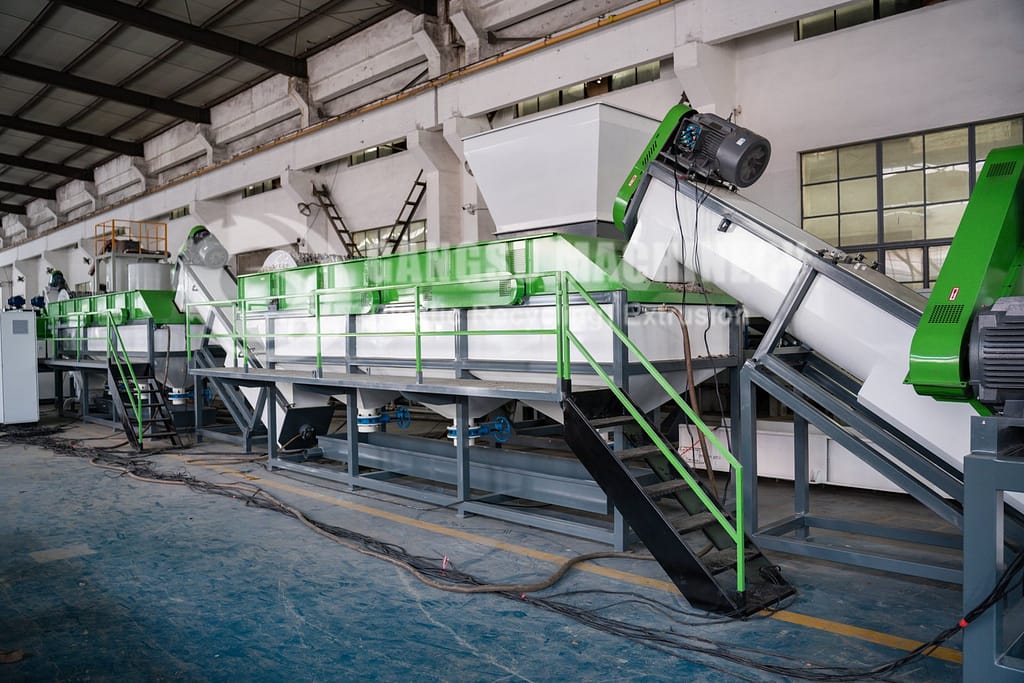
Essential Maintenance Tips
- Inspect Paddles Regularly10: Worn paddles reduce cleaning efficiency.
- Clean the Screening Mesh11: Clogged screens restrict water flow.
- Lubricate Bearings12: Ensures smooth rotation of the shaft.
- Check Water Supply Lines: Consistent water pressure enhances washing effectiveness.
Consistent maintenance not only extends the friction washer’s lifespan but also improves PET flake quality.
How do I choose the right friction washer machine for my PET recycling plant?
Selecting the right friction washer can significantly impact your washing line’s efficiency.
Key factors include processing capacity, motor power, and paddle design.
Key Factors to Consider
| Factor | Description |
|---|---|
| Processing Capacity13 | Matches the output of your crushing machine. |
| Motor Power14 | Higher power improves scrubbing strength. |
| Paddle Design15 | Optimized angles increase cleaning efficiency. |
| Water Injection System | Ensures sufficient water flow to flush out contaminants. |
Choosing a friction washer that aligns with your production volume and washing needs is essential for achieving consistent PET flake purity.
Conclusion
A friction washer machine is a vital component in a PET bottle washing line. It effectively removes stubborn contaminants, ensuring cleaner PET flakes and improved product quality for downstream processes. By understanding its role, maintenance needs, and key selection criteria, you can enhance your recycling plant’s efficiency and output quality.
-
Discover the importance of PET flakes in recycling and the methods used to clean them effectively. ↩
-
Explore this link to understand the mechanics and benefits of friction washers in recycling processes. ↩
-
Learn about the crucial role of centrifugal force in enhancing the efficiency of friction washers. ↩
-
Explore how friction washer machines enhance PET recycling efficiency and purity, crucial for high-quality output. ↩
-
Learn about the types of contaminants that hinder PET recycling and how to effectively remove them for better quality. ↩
-
Understanding PET flake purity is vital for improving recycling methods and achieving better quality in final products. ↩
-
Learning about contaminants in recycled materials can help you understand the challenges in recycling and the importance of effective cleaning methods. ↩
-
Learning about the hot washing tank’s function can help you appreciate its significance in removing residues effectively. ↩
-
Exploring the components of a PET bottle washing line will provide insights into the entire recycling process. ↩
-
Understanding paddle inspection can significantly enhance your friction washer’s cleaning efficiency and overall performance. ↩
-
Learning the right techniques for cleaning the screening mesh can prevent clogs and ensure optimal water flow, improving washing results. ↩
-
Proper lubrication of bearings is crucial for smooth operation; exploring this can help maintain your machine’s efficiency and longevity. ↩
-
Understanding processing capacity helps ensure your friction washer meets production demands effectively. ↩
-
Exploring motor power insights can guide you in selecting a washer that enhances scrubbing strength and efficiency. ↩
-
Learning about paddle design can improve your washing line’s cleaning efficiency and overall performance. ↩