Recycling PET bottles can be a tricky process, especially when it comes to separating metals that get mixed in with the plastic. Let’s explore how to effectively handle this issue and improve the recycling process.
During the PET bottle washing process, it’s crucial to separate entrapped metals like caps, labels, and other metal fragments. This ensures the purity of the recycled plastic. The right separation methods can help achieve this efficiently and cost-effectively.
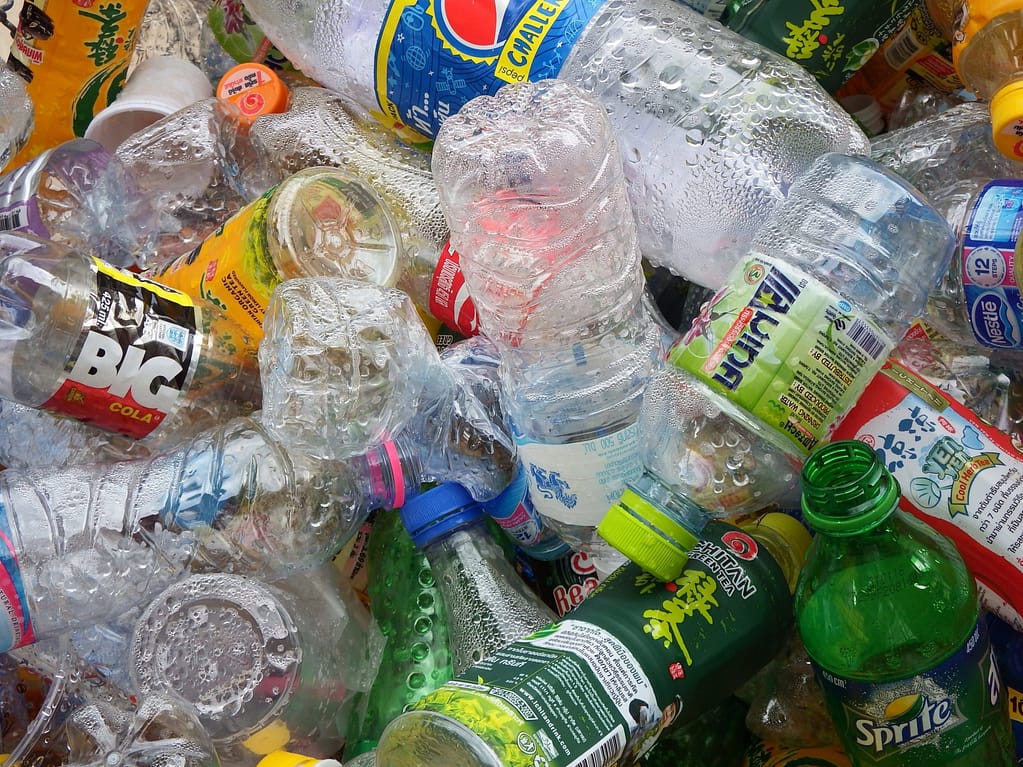
The challenge of separating metal from PET bottles is significant, as many types of metal, including aluminum caps and foil, can easily mix in during the recycling process. This creates contamination in the plastic, which can compromise the quality of the recycled PET. Let’s dive deeper into how metal separation works during this process.
How do they separate metals in recycling?
Recycling involves a variety of techniques to separate materials. The most common methods for separating metals from plastics during recycling include manual sorting1, magnetic separation2, and advanced machinery like Eddy Current separators3. These methods are chosen based on the size, type of metal, and the nature of the materials involved.

The PET bottles, after being washed, often contain small metal fragments that are mixed with plastic. One key method to separate these metals is through magnetic separation. This method works well for ferrous metals, like steel, which can be easily attracted by a magnetic field. For non-ferrous metals, like aluminum, other methods are used.
Manual Sorting
While not the most efficient, manual sorting is still used in many recycling plants. Workers physically sort the plastic from the metal components. This method is labor-intensive and time-consuming but can be effective for smaller operations. However, it’s not scalable for larger processing facilities due to the high cost of labor.
Magnetic Separation
Magnetic separation is ideal for ferrous metals like steel. This is one of the simplest and most effective methods for extracting metal from plastic. Magnetic rollers are used to pull ferrous metals out of the material stream. However, this method is limited to only certain types of metal and cannot handle non-ferrous metals like aluminum.
Eddy Current Separation
For non-ferrous metals, the Eddy Current Separator is often used. This technology uses powerful magnets to generate electrical currents that induce magnetic fields in non-ferrous metals. The fields cause the metal to be repelled, effectively pushing the metal away from the rest of the materials. This is especially useful for materials like aluminum and copper, which are not magnetic but still need to be separated from the plastic.
Should plastic bottles be rinsed before recycling?
Rinsing plastic bottles before recycling is an important step, though not always strictly necessary. The primary concern is contamination4—food, drink, or other substances left in the bottle can lead to a poor recycling process5.
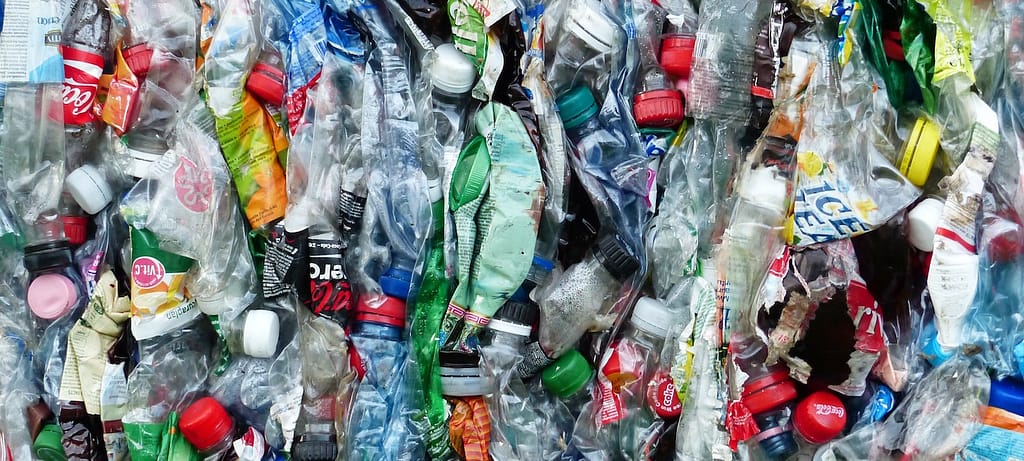
While rinsing isn’t a strict requirement for the recycling process to work, it does make a difference in the quality of the final product. Dirty bottles can contaminate the recycling stream, causing issues like unpleasant odors or bacterial growth. In some cases, these contaminants can even damage machinery in the recycling plant.
By rinsing the bottles, you help ensure that the plastic stays clean, which helps the recycling plant maintain high-quality standards. In fact, many facilities recommend giving bottles a quick rinse to remove any leftover liquids, though the level of cleaning needed will depend on the specific process used at the recycling center.
What equipment is used to separate metals?
The equipment used to separate metals during PET bottle recycling is specialized and varies based on the type of metal being separated. The most common equipment includes:
- Magnets6 for ferrous metals
- Eddy Current Separators7 for non-ferrous metals
- Air Classifiers8 for light materials
- Vibrating Screens to separate different sizes of materials
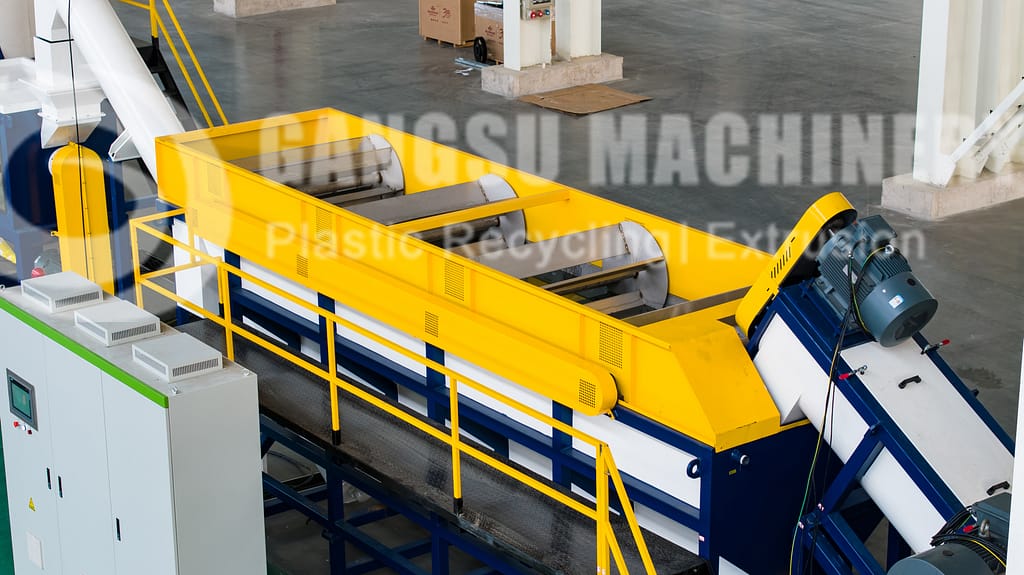
These machines work together to ensure that as much metal as possible is separated from the plastic, leaving behind a cleaner, more usable product for further recycling. Each of these machines is designed to handle specific types of contaminants, making the process more efficient and reducing the overall cost of recycling.
Magnets
Magnets are one of the simplest and most common tools used to remove ferrous metals like steel. They work by attracting the metal particles from the plastic as it moves through the recycling line. This process is highly effective for the removal of nails, screws, and other steel items found in PET bottles.
Eddy Current Separators
For non-ferrous metals, Eddy Current Separators are typically employed. They use an alternating magnetic field to induce electrical currents in the metal particles. These currents generate their own magnetic fields, causing the metals to be ejected away from the rest of the material. This technology is particularly useful for materials like aluminum caps and labels.
Air Classifiers and Screens
Air classifiers and vibrating screens are also used in many modern recycling facilities. These machines help separate materials based on their size, shape, and density. While they are not directly involved in metal separation, they do play an important role in sorting the remaining materials after the metals have been removed.
What is metal separator?
A metal separator is a machine or device used to remove metallic materials from a stream of waste. These devices can be designed to remove ferrous or non-ferrous metals, and are typically used in industries like recycling, mining, and plastics processing.
In recycling, metal separators play a crucial role in ensuring that only clean, uncontaminated plastic materials are sent for further processing. This allows for the creation of higher-quality recycled plastic, which can be used in new products without the risk of metal contamination. The specific type of metal separator used will depend on the materials being processed and the types of metal involved.
Magnetic Separators
Magnetic separators are designed to attract ferrous metals, which can include iron, steel, and other magnetic materials. These are typically used in the early stages of the recycling process to remove larger metal items like caps, lids, and screws.
Eddy Current Separators
Eddy Current Separators, as mentioned earlier, are used to separate non-ferrous metals like aluminum. These machines are critical in PET bottle recycling, as aluminum caps and foils are commonly found in the waste stream.
What is Eddy Current Sorting Machine?
An Eddy Current Sorting Machine is a specific type of separator that uses the principles of electromagnetic induction to separate non-ferrous metals9 from other materials in a recycling process.

The machine works by generating a high-frequency alternating magnetic field that induces electric currents in non-ferrous metals. These currents generate their own magnetic fields, which causes the metal to be repelled from the rest of the material. This is a highly effective method for removing materials like aluminum, copper, and other non-ferrous metals from the recycling stream.
How Eddy Current Sorting Works
The Eddy Current Separator operates by passing a stream of mixed materials, including plastics, through a conveyor belt system. As the materials pass over a rotating magnetic drum, the magnetic fields induce eddy currents in the metals, which causes them to move in a different direction compared to the plastic. This allows for the efficient separation of the two materials.
Eddy Current Sorters are particularly useful in recycling applications where large volumes of materials need to be processed quickly and effectively. They are widely used in PET bottle recycling plants, where they help separate aluminum caps, foils, and other non-ferrous metal contaminants.
Conclusion
Separating entrapped metals from PET bottles during the recycling process is essential for ensuring high-quality recycled materials. With the right equipment, like magnetic separators and Eddy Current Sorting Machines, metal contaminants can be efficiently removed, making the recycling process more effective and sustainable.
-
Discover the pros and cons of manual sorting in recycling, a method still used despite its labor-intensive nature. ↩
-
Explore this link to understand how magnetic separation effectively extracts ferrous metals from mixed materials, enhancing recycling efficiency. ↩
-
Learn about Eddy Current separators and their role in efficiently separating non-ferrous metals, crucial for modern recycling processes. ↩
-
Learning about contamination effects can help you make informed decisions about recycling practices. ↩
-
Exploring the recycling process can provide insights into how to better participate in sustainable practices. ↩
-
Learn how magnets effectively remove ferrous metals from recycling streams, enhancing the recycling process. ↩
-
Explore this link to understand the technology behind Eddy Current Separators and their role in efficient metal recycling. ↩
-
Discover how Air Classifiers contribute to material separation and improve recycling efficiency in modern facilities. ↩
-
Learn about non-ferrous metals and their significance in recycling processes, enhancing your knowledge of material recovery. ↩