Is it better to use hot washing or cold washing for PET bottle washing recycling lines?
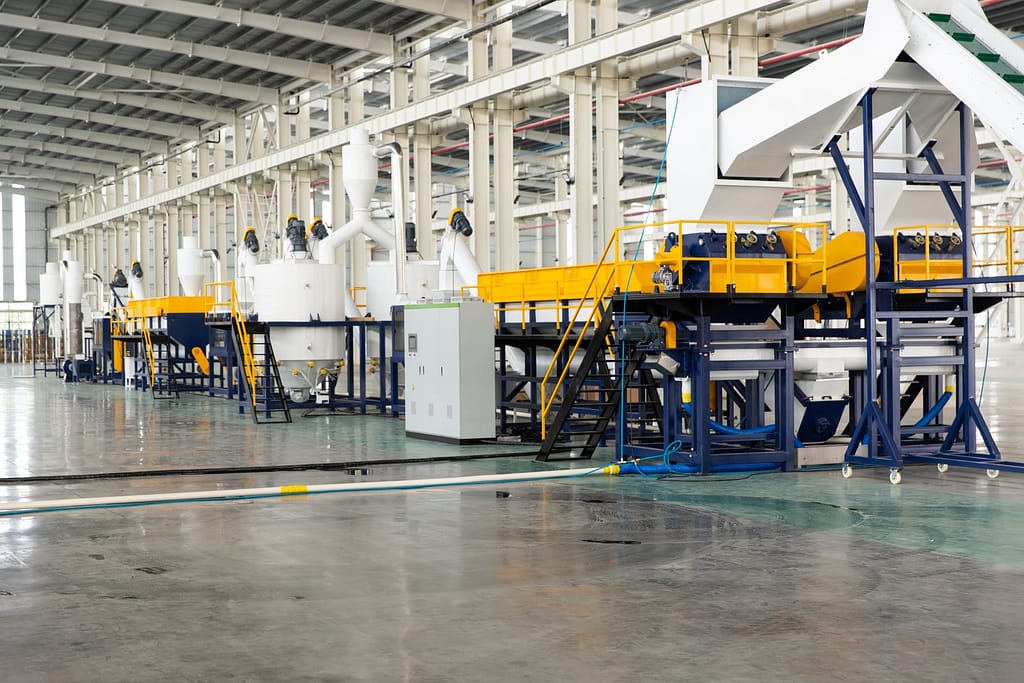
Recycling PET bottles efficiently can be challenging. Deciding between hot and cold washing impacts quality and cost.
Hot washing is ideal for removing impurities, while cold washing offers lower costs but may compromise flake purity.
Choosing the right method depends on quality demands and operational efficiency. Let’s explore both options.
What are cold washed PET flakes?
Cold washed PET flakes are produced using water at ambient temperatures to clean PET bottle waste. This method emphasizes simplicity and cost-effectiveness.
Cold washing removes surface dirt and debris but may not fully eliminate adhesives or oils. Learn more about the effectiveness of cold washing in PET recycling.
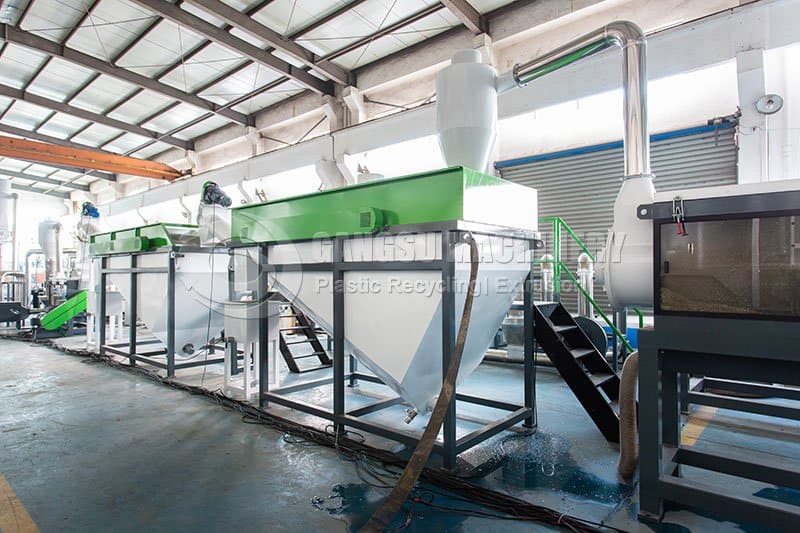
Cold washing is suitable for projects where purity is not a top priority. However, the process has limitations: Explore common challenges in PET recycling methods.
Advantages of cold washing
| Benefits | Explanation |
|---|---|
| Cost-effective | Uses less energy and no heating requirements. |
| Simpler equipment | Reduces complexity and maintenance costs. |
Limitations of cold washing
| Drawbacks | Explanation |
|---|---|
| Lower purity | Struggles to remove stubborn contaminants. |
| Quality compromise | May affect downstream processes like pelletizing. |
Cold washing might be better for non-food applications but falls short for high-grade recycling.
What is the hot washing process?
Hot washing involves using heated water and detergents to clean PET flakes. It is widely recognized for delivering superior cleaning results.
Hot washing effectively removes oils, adhesives, and other contaminants from PET flakes. Explains the cleaning efficiency and quality improvements achieved through the hot washing process.
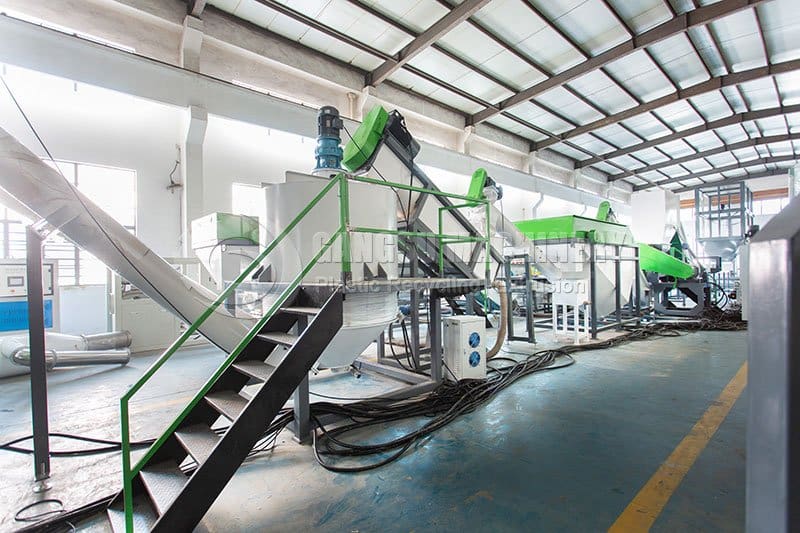
The process is ideal for industries requiring high-quality, food-grade recycled PET. Here’s how it stands out: Discover industries that benefit from food-grade recycled PET.
Steps in the hot washing process
- Pre-wash: Removes loose dirt and labels.
- Hot water bath: Uses water heated to around 85–95°C with detergents.
- Rinse: Ensures no detergent residue remains.
Benefits of hot washing
| Advantages | Explanation |
|---|---|
| Superior purity | Ensures removal of oils, labels, and adhesives. |
| Food-grade output | Complies with regulations for food packaging. |
Challenges of hot washing
| Challenges | Explanation |
|---|---|
| Higher costs | Increased energy usage for heating. |
| Equipment wear | Requires durable machinery for high temperatures. |
Hot washing is the preferred method for applications demanding stringent quality.
What are hot washed PET flakes?
Hot washed PET flakes are cleaned with heated water and detergents, resulting in high-purity output.
Hot washed flakes are free of contaminants and suitable for high-value applications like food-grade products. Learn why hot washed PET flakes are essential for food-grade applications.
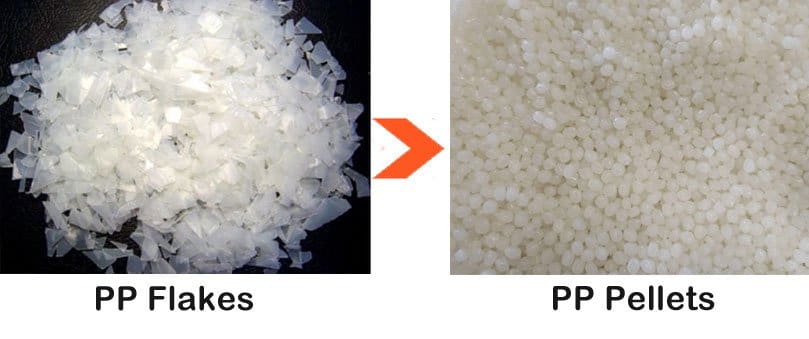
Hot washed PET flakes meet international recycling standards. Here’s what makes them essential: Explore international standards for recycled PET flakes.
Applications of hot washed PET flakes
| Application | Description |
|---|---|
| Food packaging | Meets safety and quality standards. |
| Textiles | Produces high-quality fibers for clothing. |
Comparative quality of PET flakes
| Feature | Cold Washed Flakes | Hot Washed Flakes |
|---|---|---|
| Purity | Moderate | High |
| Residue | May remain | Fully removed |
| End-use | Low-grade applications | High-value products |
Hot washed PET flakes deliver unmatched performance, but the choice depends on operational priorities.
What chemical is used to wash PET flakes?
The chemical used for washing PET flakes often includes detergents or caustic soda. These help remove oils, adhesives, and other impurities.
Alkaline detergents are commonly used to break down adhesives and oils in hot washing. Understand how alkaline detergents enhance PET washing efficiency.
The chemical choice is critical for efficiency and safety. Here’s what to consider: Explore factors influencing chemical selection for PET washing.
Types of chemicals for washing PET flakes
| Chemical Type | Purpose |
|---|---|
| Detergents | Break down oils and adhesives. |
| Caustic soda | Enhances cleaning power in hot washing. |
Safety and environmental considerations
- Always ensure chemicals are environmentally friendly.
- Proper waste management prevents water contamination.
Using the right chemicals ensures effective cleaning while minimizing environmental impact.
Conclusion
Hot washing offers higher purity and quality for PET flakes, while cold washing is cost-effective. Your choice depends on the desired application and budget.