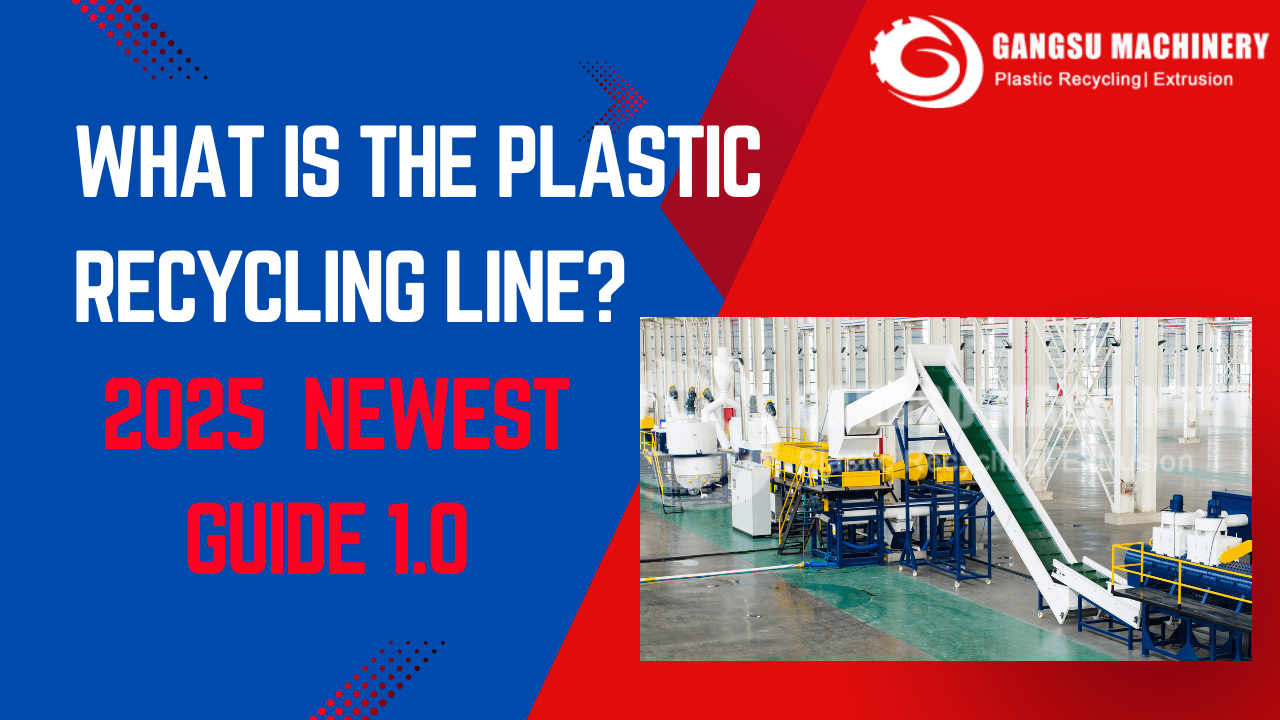
What you need to know about plastic recycling washing line:
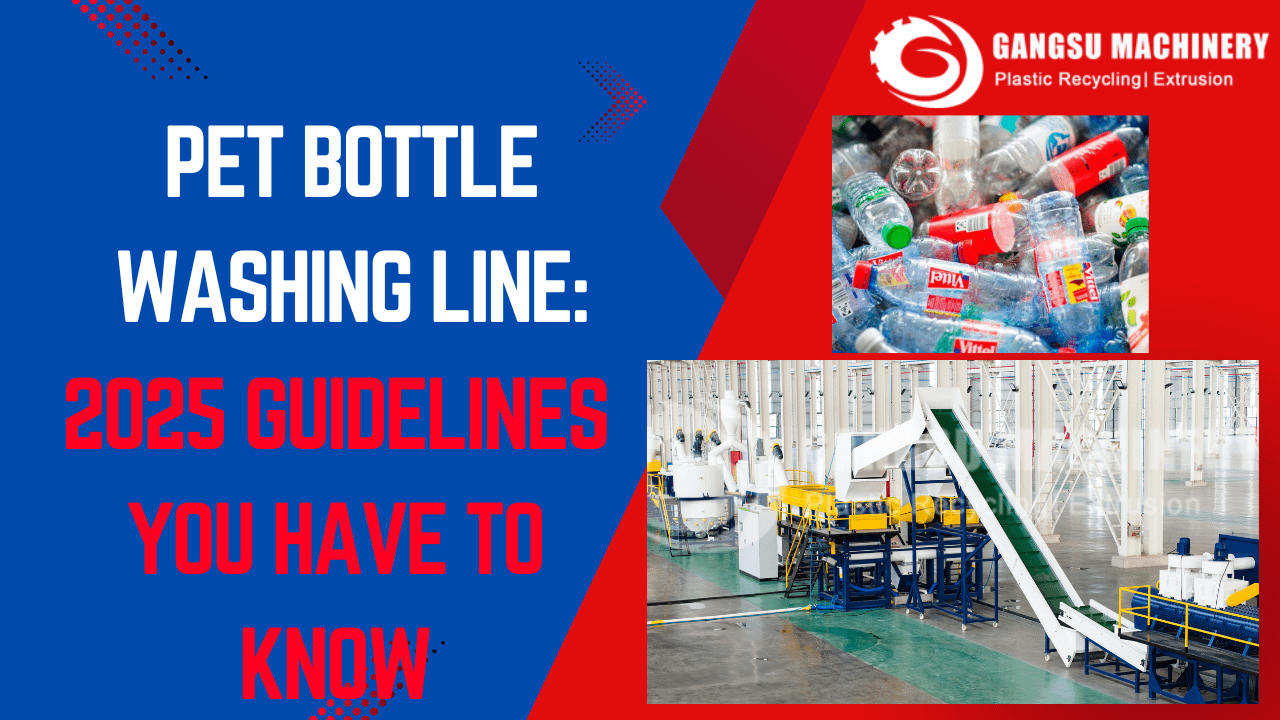
Plastic recycling washing lines are specialized systems designed to clean and process various forms of plastic waste, transforming them into reusable materials suitable for manufacturing.
These lines are pivotal in the plastic recycling industry, as they enhance the quality and purity of recycled plastics, addressing increasing environmental concerns associated with plastic waste.
With the global rise in plastic consumption and subsequent waste generation, the effectiveness of these washing lines has garnered attention for their role in promoting sustainability and reducing landfill contributions.
The technology and configuration of plastic recycling washing lines vary based on the types of plastics being processed, ranging from basic setups suitable for initial recycling efforts to advanced systems equipped with multiple cleaning stages.
Such lines can handle both rigid plastics, like containers and bottles, and flexible plastics, such as films and packaging materials.
Innovations in these systems include enhanced cleaning mechanisms and integration with advanced sorting technologies, which collectively improve the quality of recycled output and contribute to higher efficiency in recycling operations.
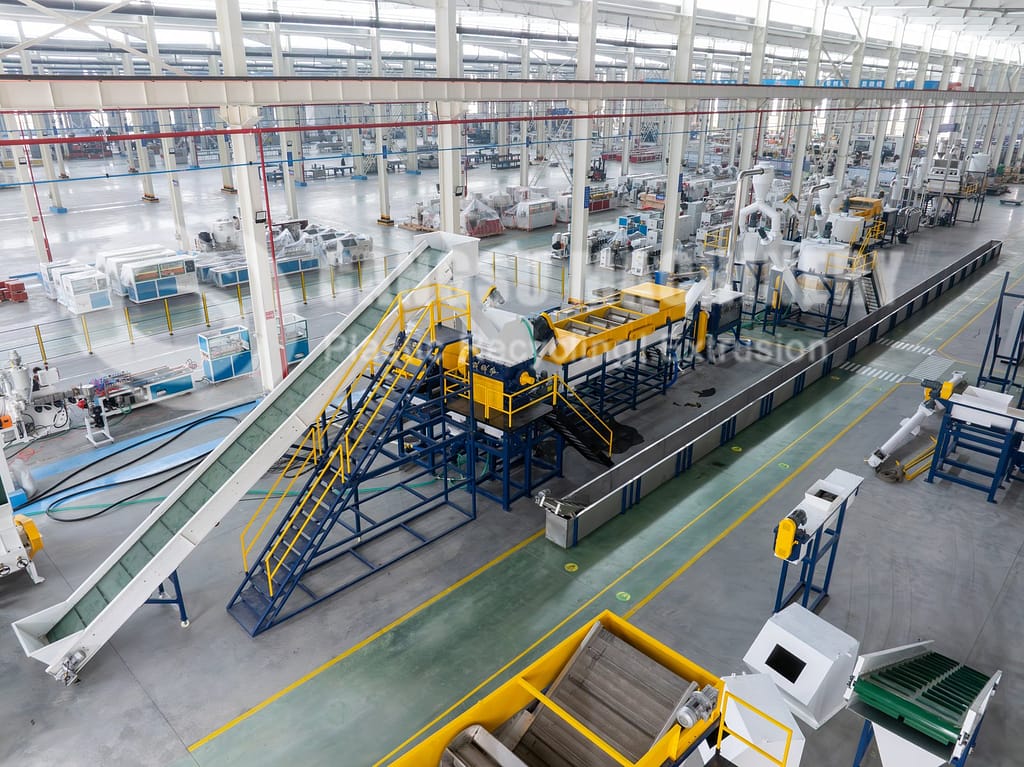
While plastic recycling washing lines significantly enhance the recycling process, they face notable challenges. These include contamination issues arising from non-plastic materials and residues, which can compromise the quality of recycled products. Furthermore, economic constraints related to the high initial investment for advanced washing lines and competition for raw materials in the recycling market present ongoing obstacles.
Despite these issues, advancements in technology, coupled with regulatory pressures and societal shifts towards sustainability, are driving innovations that aim to improve the efficacy and environmental footprint of plastic recycling.
Overall, plastic recycling washing lines are integral to achieving a circular economy, where materials are reused and recycled rather than discarded. Their development and optimization not only support industry standards but also foster a broader commitment to reducing plastic pollution, thereby playing a crucial role in addressing one of the most pressing environmental challenges of our time.
Types of Plastic Recycling Washing Lines
Plastic recycling washing lines are specialized systems designed to clean and process various types of plastic waste, ensuring the materials are suitable for reuse in manufacturing. These lines are categorized based on the types of plastics they process and their specific operational capabilities.
Rigid Plastic Washing Lines

Basic Rigid Plastic Washing Line
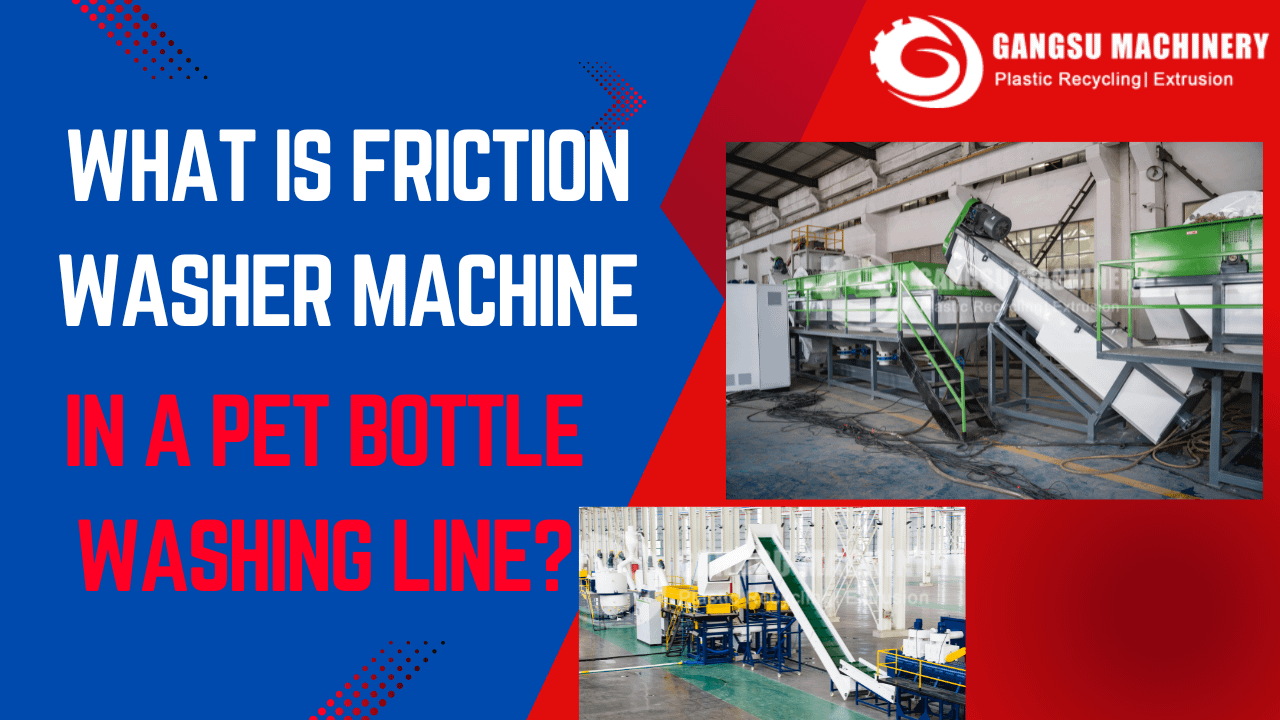
A basic rigid plastic washing line typically includes essential components such as a primary shredder, a washing tank, a friction washer, and a drying unit. This setup is ideal for businesses that are just beginning in the recycling industry, providing the necessary elements to achieve effective cleaning and processing of rigid plastics, including containers and bottles.
Advanced Rigid Plastic Washing Line
The advanced rigid plastic washing line builds upon the basic setup by incorporating additional stages for more thorough cleaning. These lines may feature secondary washing stages, hot washers for enhanced decontamination, and ultra-efficient drying units. They are particularly well-suited for industries that require higher purity levels in their recycled materials.
Custom Rigid Plastic Washing Line
For businesses that handle unique types of plastics or face specific contamination challenges, custom rigid plastic washing lines are tailored to meet individual needs. These lines may include multiple shredder stages or specialized water recycling systems to enhance environmental sustainability while ensuring effective cleaning processes.
Film Washing Lines
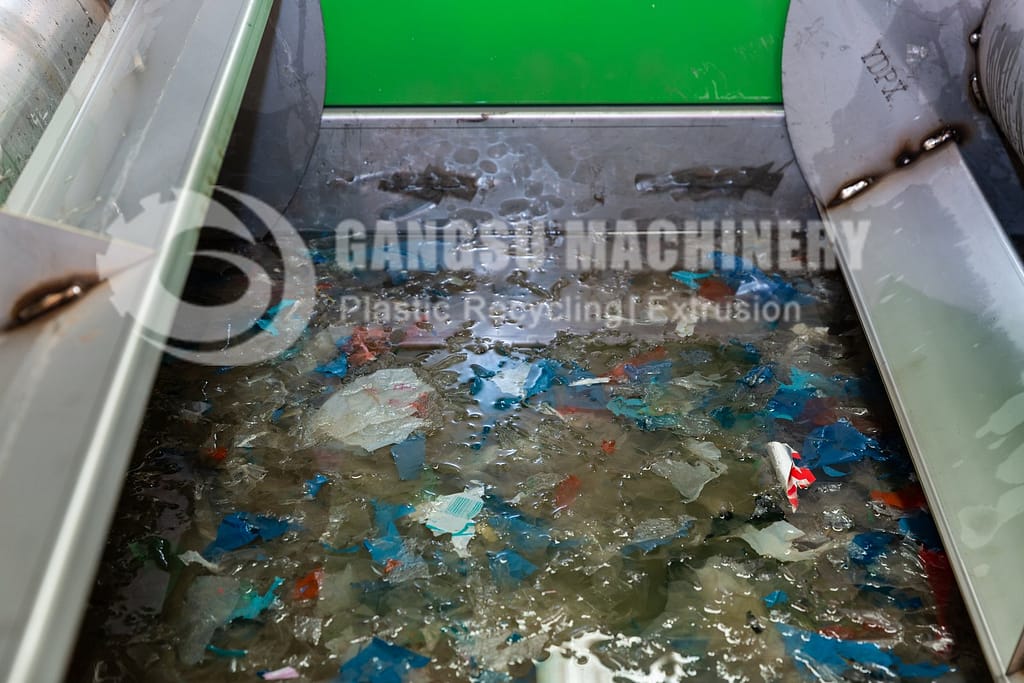
Film washing lines are designed specifically for processing flexible plastics such as plastic films, bags, and packaging materials. These lines utilize advanced cleaning and sorting mechanisms to effectively remove impurities, labels, and residues. Integrated squeeze dryers in these lines improve the efficiency and effectiveness of the washing process, yielding high-quality recycled materials suitable for various applications.
Specialized Washing Lines
Agricultural and Packaging Film Washing Lines
These specialized washing lines cater to specific types of plastic waste, such as agricultural films and packaging films. They incorporate tailored cleaning processes to address the unique challenges posed by these thin and flexible materials, ensuring high-quality outputs that meet industry standards.
Custom Applications
Some washing lines are designed for unique applications, processing specific types of plastics or contaminated materials, such as plastics from car recycling or waste from electrical devices (WEEE). These custom solutions often feature modular designs that allow for scalability and adaptability to different operational needs.
Components of a Plastic Recycling Washing Line
A plastic recycling washing line is a complex system composed of various interconnected components that work together to clean and prepare plastic waste for further processing. The primary goal of this line is to ensure that contaminants are removed, making the plastic suitable for recycling into high-quality products.
Key Components:
Conveyor Belts

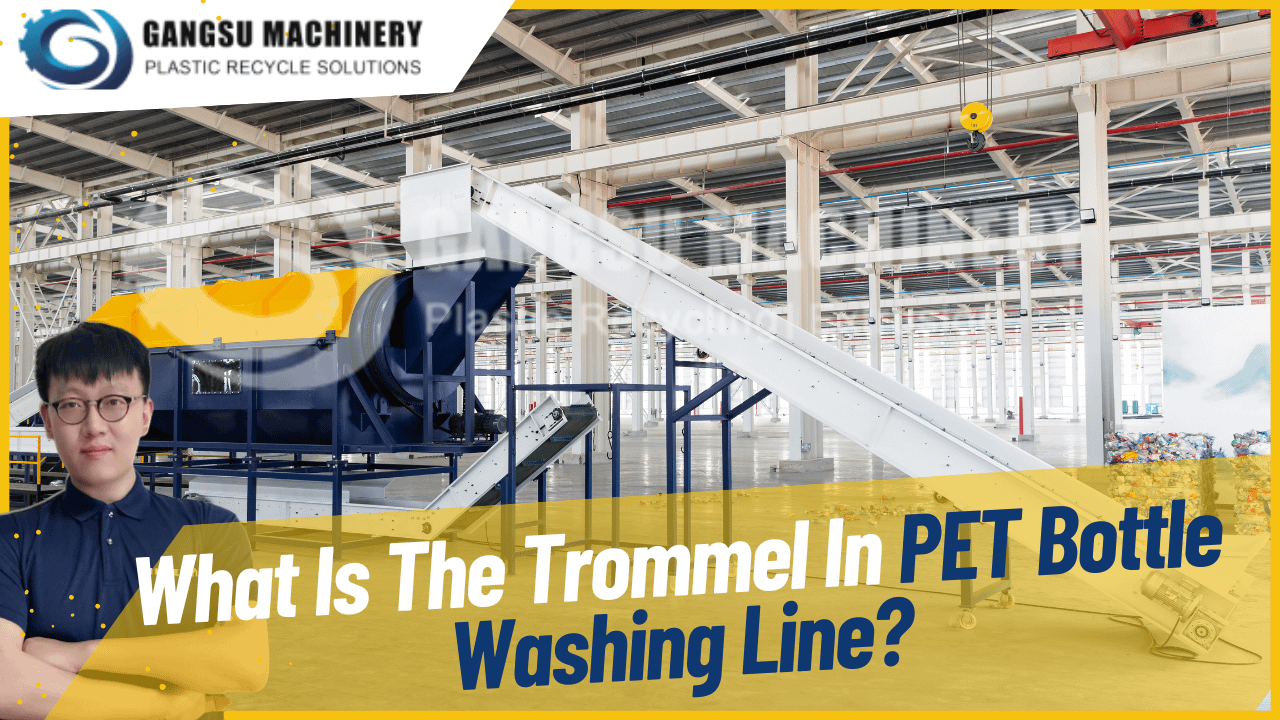
Conveyor belts are used to transport plastic waste through different stages of the washing line. They facilitate a continuous flow of materials, ensuring efficient processing from one stage to the next.
Shredder or Crusher

The shredder or crusher is responsible for reducing the size of the plastic waste, which enhances the efficiency of the washing process. By breaking down larger pieces into smaller fragments, the cleaning process can be more thorough and effective.
Pre-wash Tank
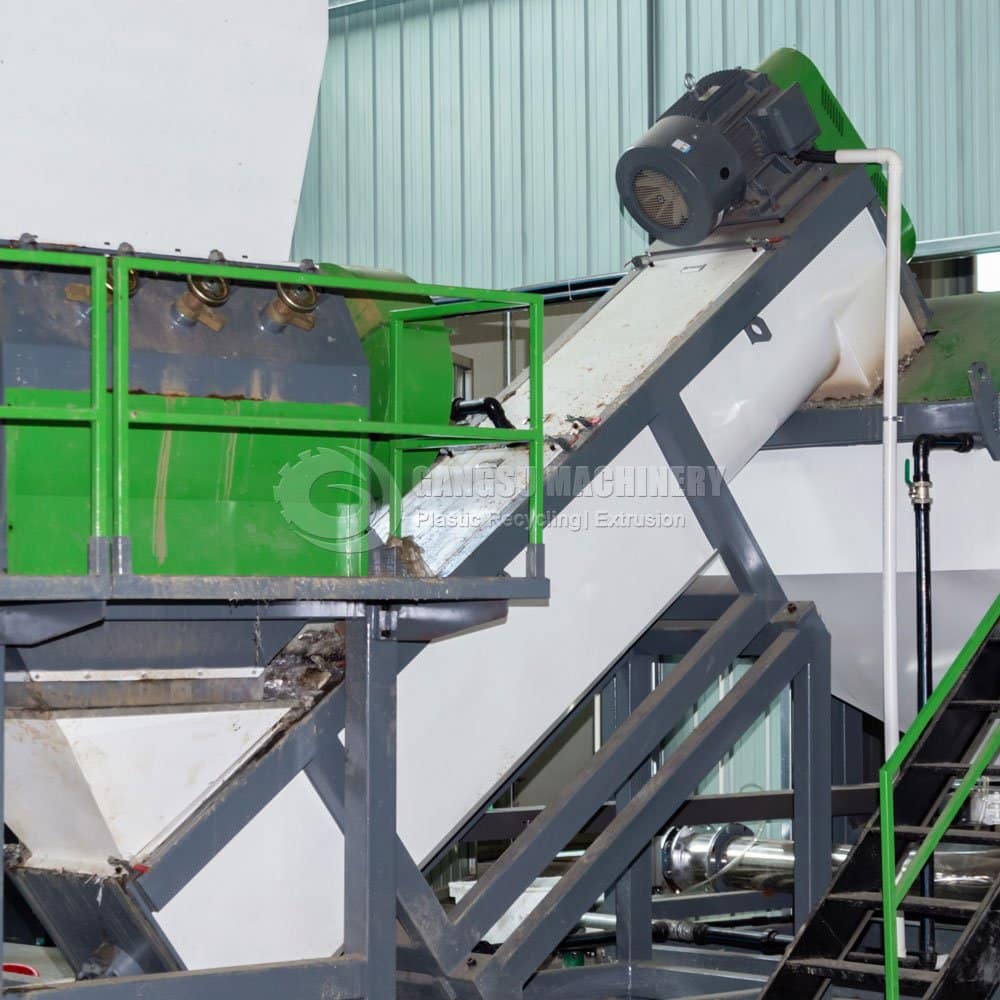
A pre-wash tank is utilized for the initial washing of the plastic materials. It helps remove the bulk of surface dirt and contaminants before the main washing process. This tank often employs a combination of water and mechanical agitation to dislodge dirt and debris.
Washing Tanks
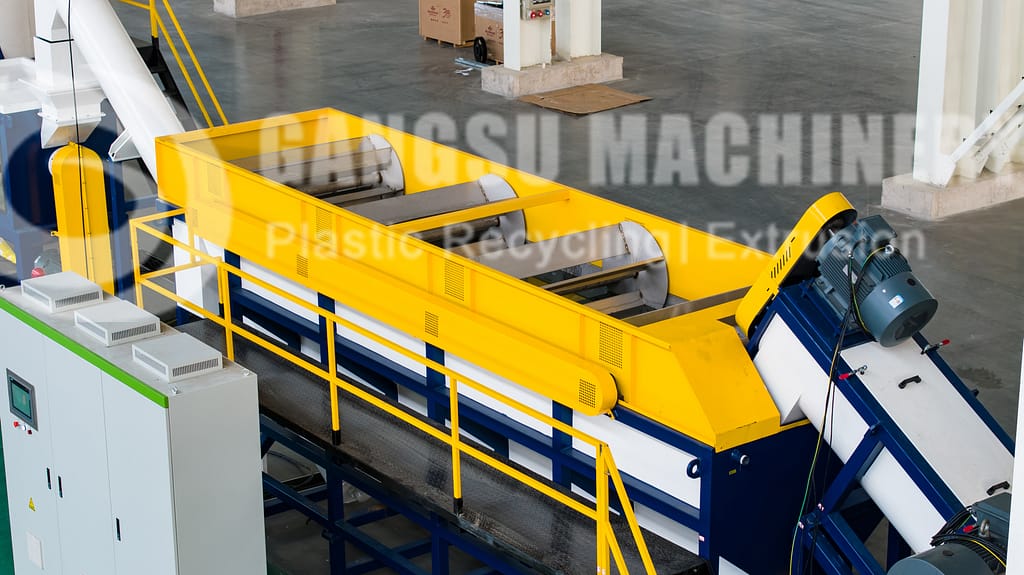
The main washing tanks are equipped with stirring devices or spraying mechanisms that facilitate the washing process. They are designed to remove contaminants like grease, labels, and residual materials through various washing techniques, such as friction washing and hot washing with detergents.
Drying System

After washing, a drying system is essential for removing moisture from the cleaned plastic fragments. This system typically includes a centrifugal dehydrator followed by a hot air dryer to ensure that the plastic is sufficiently dried for subsequent processing steps, such as extrusion or pelletizing.
Auxiliary Equipment
In addition to the main components, a plastic recycling washing line may include various auxiliary machines to enhance efficiency and effectiveness.
-
Friction Washers: For enhanced cleaning capabilities.
-
Squeezers: To further reduce water content after washing.
-
Cyclone Systems: For separation of contaminants based on density.
-
Granulators: For size reduction after washing.
Control and Monitoring Systems
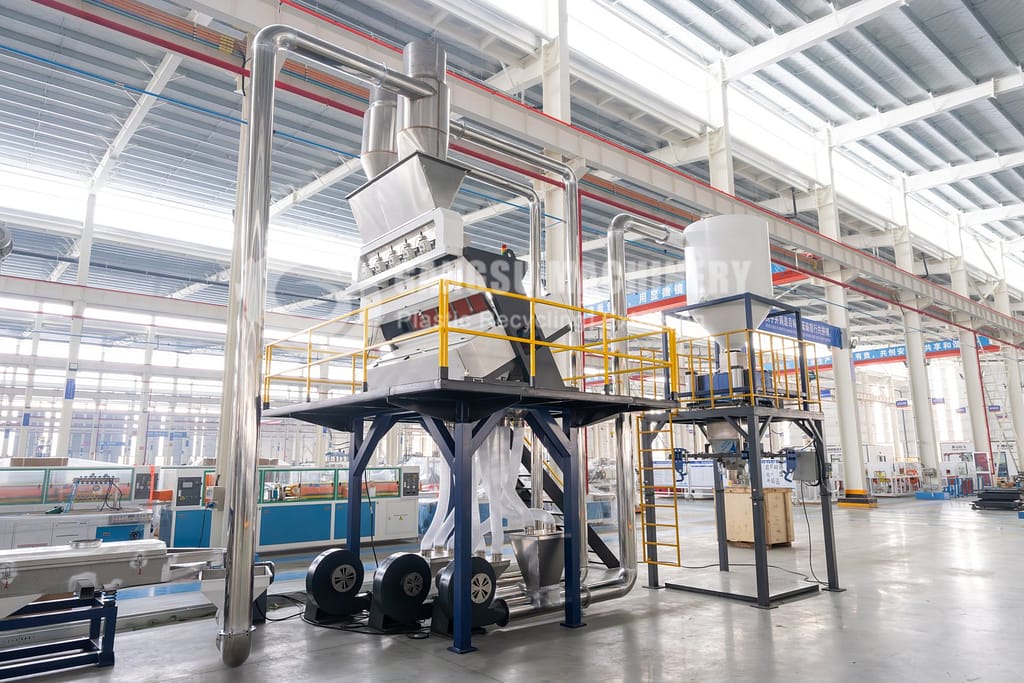
Modern washing lines often incorporate advanced control and monitoring systems to track the throughput and maintain product quality. These systems help ensure optimal operation, contributing to the overall efficiency of the recycling process. By utilizing a comprehensive set of components, a plastic recycling washing line plays a crucial role in the recycling process, transforming waste plastic into valuable raw materials while minimizing environmental impact.
Process Flow
The process flow of a plastic recycling washing line consists of several critical stages, each designed to ensure the effective cleaning and preparation of plastic waste for reuse. This comprehensive approach transforms contaminated plastic materials into high-quality recycled products.
Collection and Sorting
The initial stage involves the collection of plastic waste from various sources, including consumers and businesses. Once gathered, the materials undergo sorting, where they are categorized based on type and color. This step is essential for separating different plastics and eliminating as much contamination as possible, often utilizing automated systems alongside manual sorting to enhance efficiency and accuracy.
Size Reduction
Following sorting, the collected plastic waste is subjected to size reduction. This process involves shredding the plastic into smaller, more manageable pieces, which not only facilitates easier handling but also prepares the material for subsequent washing stages. Shredding is crucial as it ensures uniform heating and processing in later steps, allowing for a more efficient washing phase.
Washing

The washing stage is integral to the overall process and focuses on removing contaminants such as labels, adhesives, dirt, and other impurities that can affect the quality of the final product. Typically, this phase employs various technologies, including water baths, friction washers, and specialized washing machines designed to cleanse the shredded plastic thoroughly. Pre-washing may also take place to remove surface dirt and initial impurities before more intensive cleaning is conducted.
Pre-Washing
In the pre-washing phase, large washers agitate the material in water, loosening contaminants from the surface. This step is critical as it reduces the burden on subsequent washing processes and ensures the removal of significant impurities early on
High-Speed Friction Washing

After pre-washing, the plastic materials are processed through high-speed friction washing, where additional contaminants are dislodged. This stage significantly enhances the cleanliness of the plastic fragments, preparing them for drying and further processing.
Drying
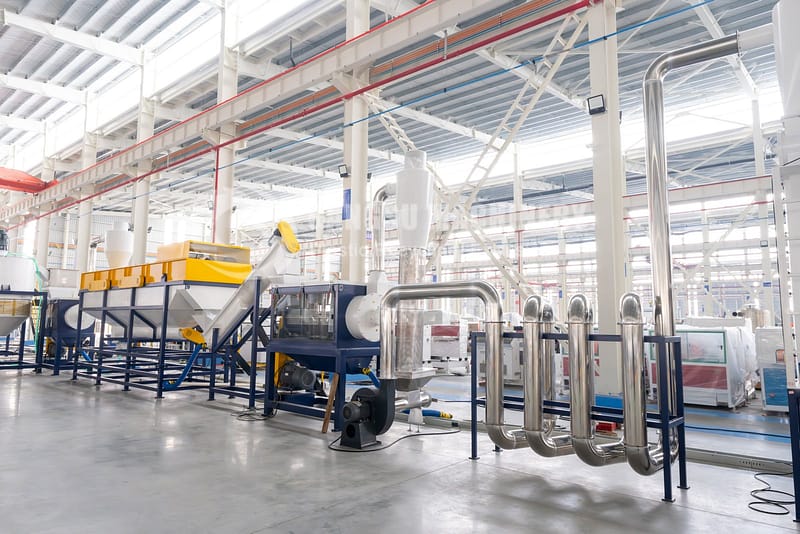
Once the washing is complete, the plastic fragments proceed to the drying stage. Utilizing thermal drying systems, the washed materials are dried to achieve less than 3% residual moisture, ensuring they are ready for the extrusion process. These drying systems are designed for energy efficiency, often employing adaptive heating technology to minimize energy consumption while maintaining consistent output quality.
Extrusion
The final stage of the process flow is extrusion, where the cleaned and dried plastic flakes are melted and filtered to produce homogeneous pellets. These pellets serve as raw materials for manufacturing new products, completing the recycling cycle.
Applications
Overview of Plastic Recycling Washing Lines
Plastic recycling washing lines play a crucial role in the recycling process by cleaning and preparing post-consumer plastic waste for further processing. These systems typically involve a series of stages, including sorting, washing, and drying, which help to remove contaminants such as labels, adhesives, and residual materials from plastic items. The effectiveness of these washing lines significantly impacts the quality of the recycled material produced, which is essential for ensuring that recycled plastics meet industry standards for new product manufacturing.
Enhancing Recycling Efficiency
The implementation of advanced washing lines can lead to substantial improvements in recycling efficiency. For instance, a European recycling plant reported a 20% increase in energy efficiency and a 30% reduction in waste generation after installing a plastic washing line. By utilizing mechanized systems, these lines automate various processes, making them more economically viable and scalable for operations handling large volumes of plastic waste.
Contribution to High-Quality Recycled Materials
High-purity production achieved through effective washing processes allows recycling facilities to command premium prices for their recycled materials. This not only facilitates the economic sustainability of recycling operations but also supports the broader goal of reducing plastic waste in landfills and the environment. The recovered plastic can then be reprocessed into new products, demonstrating durability and quality comparable to virgin materials.
Technological Integration
Modern washing lines can integrate with additional technologies such as shredders and pelletizers to further streamline the recycling process. For example, plastic shredders reduce large plastic items into smaller flakes, which are easier to wash and process. Additionally, innovations like Greyparrot’s computer vision-powered waste recognition systems can enhance sorting and processing efficiency by classifying waste streams in real-time, thus optimizing the operation of washing lines.
Regulatory Compliance and Design for Recyclability
As legislation surrounding plastic waste and recycling becomes increasingly stringent, washing lines will play a vital role in helping companies comply with regulations. The APR Design® Guide training sessions educate businesses on how to design products for recyclability, which includes considerations for the cleaning and processing capabilities of washing lines. These educational efforts aim to foster better communication with consumers and improve the overall supply chain of high-quality post-consumer recycled (PCR) materials.
Advantages of Plastic Recycling Washing Lines
Plastic recycling washing lines provide numerous benefits that contribute significantly to both the efficiency of the recycling process and environmental sustainability.
Versatility and Efficiency
One of the primary advantages of plastic recycling washing lines is their versatility. These systems are capable of processing various types of plastics, including polyethylene (PE), polypropylene (PP), and polyvinyl chloride (PVC). This flexibility allows companies to recycle different plastic waste types, thereby broadening the scope of materials that can be reused. Modern plastic washing lines are designed with multiple processing stages, including crushing, washing, flotation, dehydration, and drying. This multi-stage approach enhances the separation of plastics and maximizes the recovery of materials, ensuring a more efficient recycling process.
Quality of Recycled Materials
The washing process plays a critical role in ensuring the high quality of recycled plastic. By thoroughly cleansing plastic waste, these lines effectively remove contaminants that could degrade the quality and performance of the final product. The cleaned materials can then be used in demanding applications, such as packaging, automotive parts, and textiles, meeting stringent quality standards required by manufacturers. Additionally, the use of advanced filtration systems allows for the recycling of wash water, further enhancing the efficiency of the process while maintaining high cleanliness standards.
Environmental Benefits
Plastic recycling washing lines contribute significantly to environmental sustainability. By diverting plastic waste from landfills and oceans, they help mitigate pollution’s adverse effects on ecosystems. Moreover, the promotion of recycled materials supports the principles of the circular economy, where resources are conserved and reused, minimizing overall waste. By reducing reliance on virgin materials and minimizing the carbon footprint associated with plastic production, these systems play a vital role in efforts to combat plastic pollution. Advanced technologies incorporated in modern washing lines also enhance energy efficiency and reduce water usage, contributing further to their eco-friendly credentials.
Economic Advantages
Investing in plastic recycling washing lines can also lead to significant cost savings for businesses. By processing and selling high-quality recycled plastics, companies can generate additional revenue streams while reducing the costs associated with waste disposal. The automated nature of these systems reduces the need for manual labor, improving overall operational efficiency and further enhancing cost-effectiveness.
Challenges and Limitations
Plastic recycling washing lines face several operational challenges and limitations that can impact their effectiveness and efficiency. These challenges can be categorized into mechanical issues, contamination problems, and economic constraints.
Mechanical Issues
The complexity of washing line systems can pose significant operational hurdles. While modular designs offer adaptability, they require a certain level of technical expertise for effective management. Users often report difficulties associated with maintaining these systems, which can incur substantial costs due to the need for regular maintenance, replacement of worn parts, and potential downtime. The lifespan of washing machinery can diminish over time, particularly as usage increases, leading to hidden costs in the form of repairs and replacements. Additionally, the initial investment for setting up a washing line is notably high, typically ranging from $100,000 to $500,000 depending on the capacity and automation level, which can deter smaller operations from entering the market.
Contamination Problems
Contamination remains a significant barrier to effective plastic recycling. Contaminated materials can severely compromise the quality of the recycled output, often leading to unusable products that must be discarded. Common contaminants include food residues, adhesives, and non-plastic materials, which complicate the sorting and processing of recyclables. Moreover, the presence of multi-layered materials further complicates recycling efforts, as these products combine different plastics that are difficult to separate. Addressing contamination requires not only advanced sorting technologies but also comprehensive education and awareness programs to inform consumers about proper waste segregation.
Economic Constraints
The economic feasibility of operating plastic recycling washing lines is another limitation. There is a persistent lack of incentives, policies, and specifications to support the plastics waste collection and processing supply chain in the United States. Additionally, recycling facilities often face competition for recycled materials, which can lead to price escalations and reduced revenue for materials recovery facilities (MRFs). As various local and state policies attempt to address these issues, they may inadvertently create unintended consequences, such as increased environmental impacts from transportation and processing of materials.
Innovations and Technological Advancements
The field of plastic recycling has witnessed significant innovations and technological advancements aimed at improving efficiency and sustainability. As environmental concerns escalate, these advancements are becoming critical in enhancing recycling processes and increasing the recycling rate of plastics.
Advanced Sorting Techniques
One of the foremost innovations in plastic recycling is the development of advanced sorting systems. Traditional sorting methods often struggled with efficiency and accuracy; however, the integration of artificial intelligence (AI) and machine learning has revolutionized this aspect of recycling. Modern sorting systems utilize cameras and sensors to accurately identify and categorize plastics based on resin type, color, and shape, thereby enhancing the quality of recycled materials and streamlining the recycling process.
Near-Infrared (NIR) Technology
Near-infrared (NIR) technology has emerged as a game-changer in the sorting of plastics. This non-invasive technology allows for real-time analysis of materials, enabling rapid identification of different plastic polymers. NIR sensors can assess the chemical composition of plastics, providing critical data that aids in sorting with unprecedented accuracy, ultimately leading to a more efficient recycling process.
Robotic Sorting Systems
The incorporation of robotics into plastic recycling lines has significantly boosted operational efficiency. Robotic sorting systems employ advanced sensors and AI to identify, pick, and sort plastics with high precision. These systems can handle various shapes and sizes of plastics, thereby reducing the reliance on manual labor and increasing the throughput of recycling facilities.
Chemical Recycling Innovations
Chemical recycling represents another pivotal advancement in the plastic recycling sector. This method allows for the breakdown of plastics at the molecular level, providing new opportunities for recycling materials that are otherwise challenging to process. With the development of innovative chemical recycling technologies, the industry is beginning to revolutionize waste management practices, moving closer to a sustainable circular economy.
Water and Energy Efficiency
Innovations have also focused on improving the resource efficiency of plastic washing processes, which are crucial for ensuring the cleanliness of recycled materials. Advanced washing systems now incorporate closed-loop water recycling technologies, minimizing water waste and enhancing sustainability. Furthermore, energy-efficient machinery is being employed to reduce the overall energy consumption during the recycling process.
Enhanced Cleaning Processes
Thorough cleaning of plastic waste is essential for achieving high-quality recycled materials. Modern plastic washing lines are equipped with high-pressure water jets, air blowers, and advanced filtration systems to effectively remove contaminants. These innovations ensure that the plastic waste is thoroughly cleaned before further processing, which is vital for maintaining the quality of recycled products.
Bioplastics and Alternative Materials
Additionally, the emergence of bioplastics, derived from renewable sources, presents an alternative to conventional plastics and plays a crucial role in the future of recycling. Bioplastics can be recycled using both mechanical and chemical methods, contributing to a more sustainable approach to plastic consumption and waste management. Through these advancements, the plastic recycling industry is evolving towards a more sustainable and efficient model, significantly reducing plastic pollution and fostering a circular economy.
Regulatory Framework
The regulatory landscape surrounding plastic recycling is evolving rapidly, driven by increasing environmental concerns and the need for sustainable practices. Governments at various levels are implementing a variety of regulations aimed at reducing plastic waste and promoting recycling initiatives. These regulations significantly impact the operations of plastic recycling facilities and the broader plastics industry.
Federal Regulations
In the United States, federal policies, such as those enforced by the Environmental Protection Agency (EPA), establish guidelines for recycling practices. These regulations are designed to facilitate effective waste management and promote recycling efforts across the nation. State and local jurisdictions have also created diverse regulatory programs that may impose restrictions on certain types of packaging or products to minimize environmental impact. This includes initiatives like minimum recycled content requirements and the establishment of recycling incentives.
European Union Regulations
The European Union has established stringent regulations regarding packaging and packaging waste management. The EU Packaging Directive aims to harmonize national measures across member states, ensuring high levels of environmental protection while fostering the internal market. Recent amendments to this directive have introduced measures to prevent packaging waste production, promote recycling, and establish Extended Producer Responsibility (EPR) schemes, which require producers to be accountable for the lifecycle of their packaging products.
Specific Targets
By the end of 2024, EU countries are expected to implement producer responsibility schemes for all packaging, setting specific recycling targets to be met in the coming years. This regulatory framework is part of the EU’s broader strategy to transition towards a circular economy, aiming to make all plastic packaging recyclable by 2030. The impact of these regulations on the plastics industry underscores the importance of innovation and adaptation to comply with stringent environmental standards.
Challenges and Opportunities
While navigating the complex regulatory landscape poses challenges for plastic recyclers, it also opens opportunities for innovation and collaboration across the supply chain. Manufacturers are encouraged to explore new materials and enhance recycling capabilities, thereby fostering a more sustainable approach to plastic production and consumption. As businesses adapt to these regulations, continuous improvement in process management and compliance becomes essential to maintain competitiveness in both domestic and international markets.
Future Trends
The plastic recycling industry is on the cusp of significant transformation, with a strong growth forecast over the next five years. The number of installed chemical and physical recycling plants is expected to rise steadily, driven by increasing demands for sustainable practices and technological advancements. Analysis indicates that the input capacity in Europe could more than triple by 2027, while global capacity may double, contingent on supportive political measures and investment programs.
Green Jobs and Economic Opportunities
As the industry evolves, it is anticipated to create a surge in green jobs and economic opportunities. The plastic recycling sector is poised to play a critical role in the transition to a sustainable global economy through research, development, manufacturing, and the implementation of innovative recycling technologies. This growth reflects a broader commitment to sustainability initiatives that aim to mitigate the environmental impact of plastic waste.
Technological Advancements
Automation is becoming increasingly integral to modern plastic recycling processes. The adoption of automated systems significantly enhances operational efficiency by streamlining critical functions such as sorting, shredding, and washing. Innovations like self-cleaning filters further reduce the need for manual labor and increase productivity, allowing facilities to optimize workforce allocation and lower operational costs. Energy efficiency is also a growing priority, with advanced recycling machines designed to consume less energy while maintaining high performance levels.
Innovations in Recycling Machines
New trends in plastic recycling machinery emphasize automation and energy-saving features. For example, systems equipped with smart technologies like machine learning and computer vision facilitate better waste classification and operational efficiency. As these innovations continue to develop, the recycling industry is becoming more adept at addressing the challenges posed by plastic waste, ultimately contributing to a greener future.
Collaborative Efforts and Challenges
While the promise of advancements in plastic recycling technology is strong, challenges remain. Technical complexities, logistical hurdles, and financial constraints could impede widespread implementation. However, collaboration among industry stakeholders, policymakers, and environmental advocates is essential to overcome these barriers and drive the sector toward sustainable solutions
.