Every minute, one million plastic bottles are sold worldwide, yet only 9% get recycled. The PET bottle recycling process transforms waste into valuable raw material, but how exactly does it work? Let’s break it down step by step.
PET bottle recycling involves collecting, sorting, cleaning, and reprocessing used bottles into reusable flakes or pellets. The process removes contaminants, separates labels and caps, and purifies the material for manufacturing new products. Modern facilities can recycle PET with 95% efficiency.
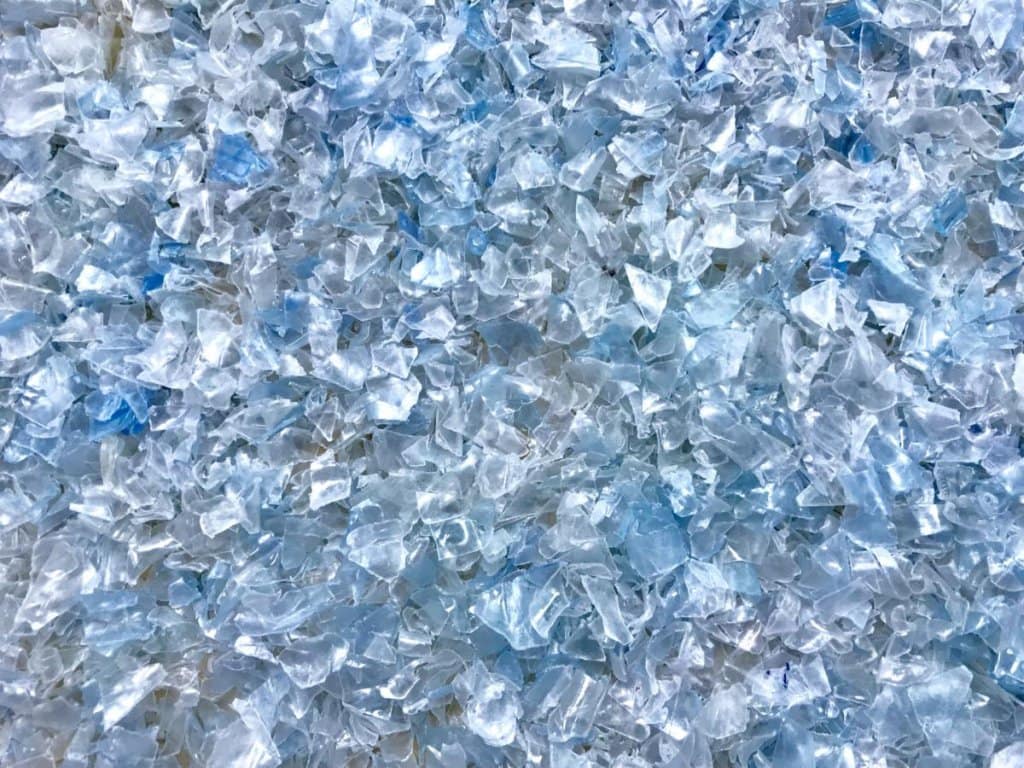
Understanding the PET recycling process helps manufacturers optimize their operations and improve material quality. Here’s a detailed look at each stage.
How Are PET Bottles Recycled?
A single PET bottle can go from your recycling bin to a new product in just 60 days. The journey involves multiple specialized steps to ensure material purity.
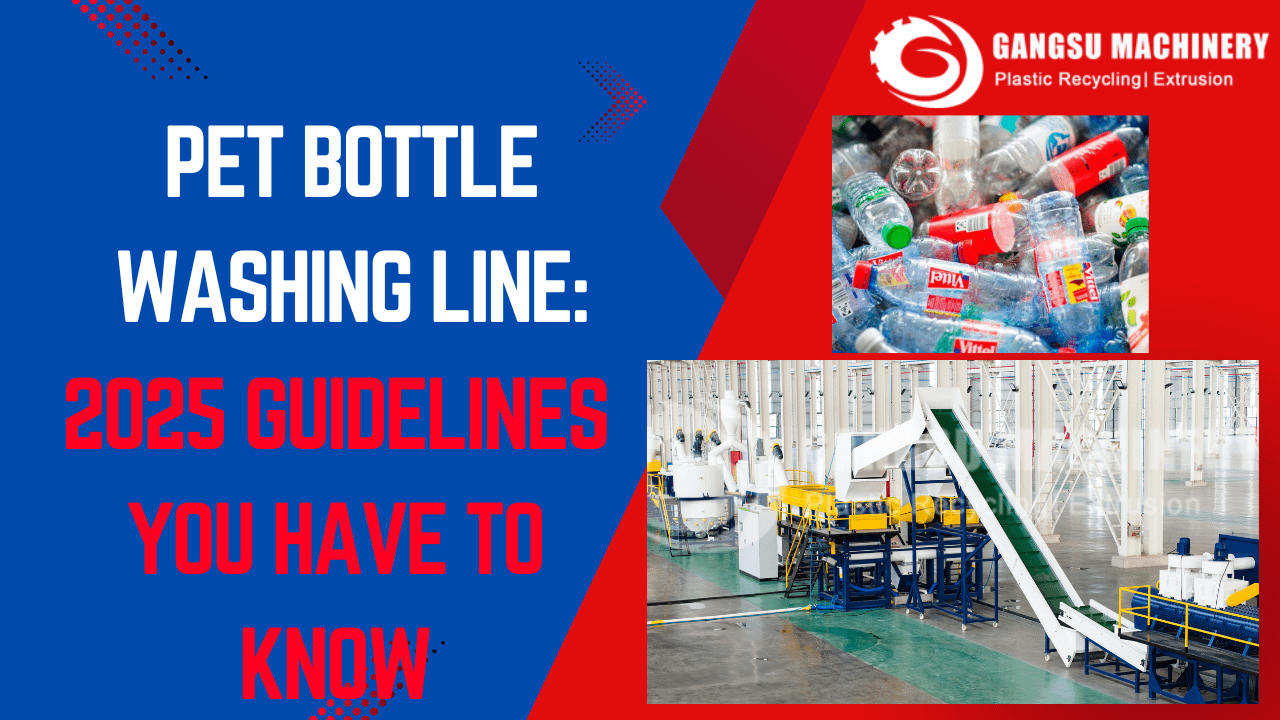
PET bottles1 are recycled through collection, sorting, washing, shredding, and reprocessing. Advanced facilities use automated systems to separate PET from other plastics, remove contaminants, and transform bottles into clean flakes ready for manufacturing.
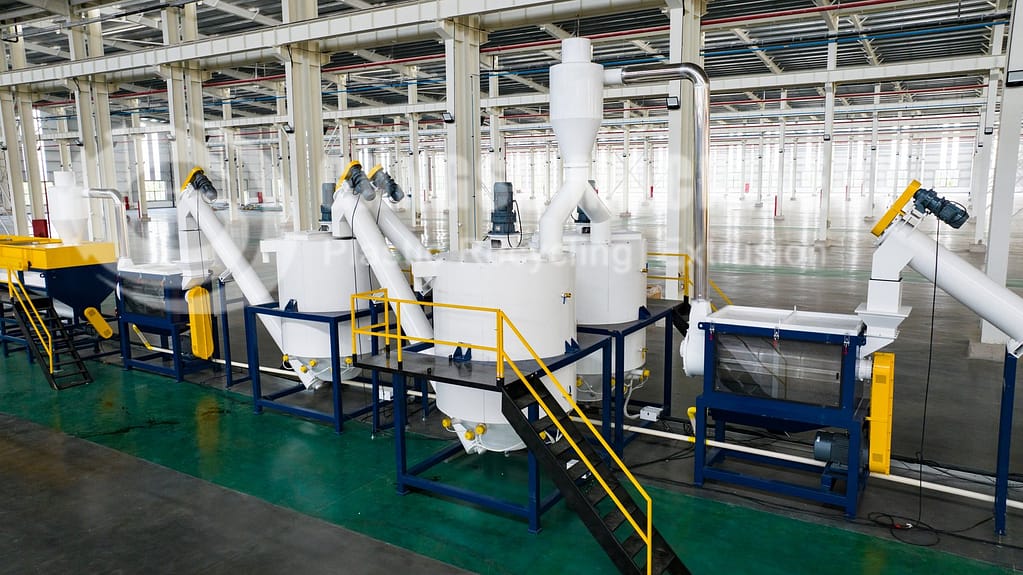
The Detailed Recycling Workflow
| Stage | Equipment Used | Key Challenges | Efficiency Improvements |
|---|---|---|---|
| Collection | Baling machines | Contamination from other waste | Automated sorting systems |
| Sorting | Optical sorters, NIR scanners | Mixed plastic types | AI-powered detection |
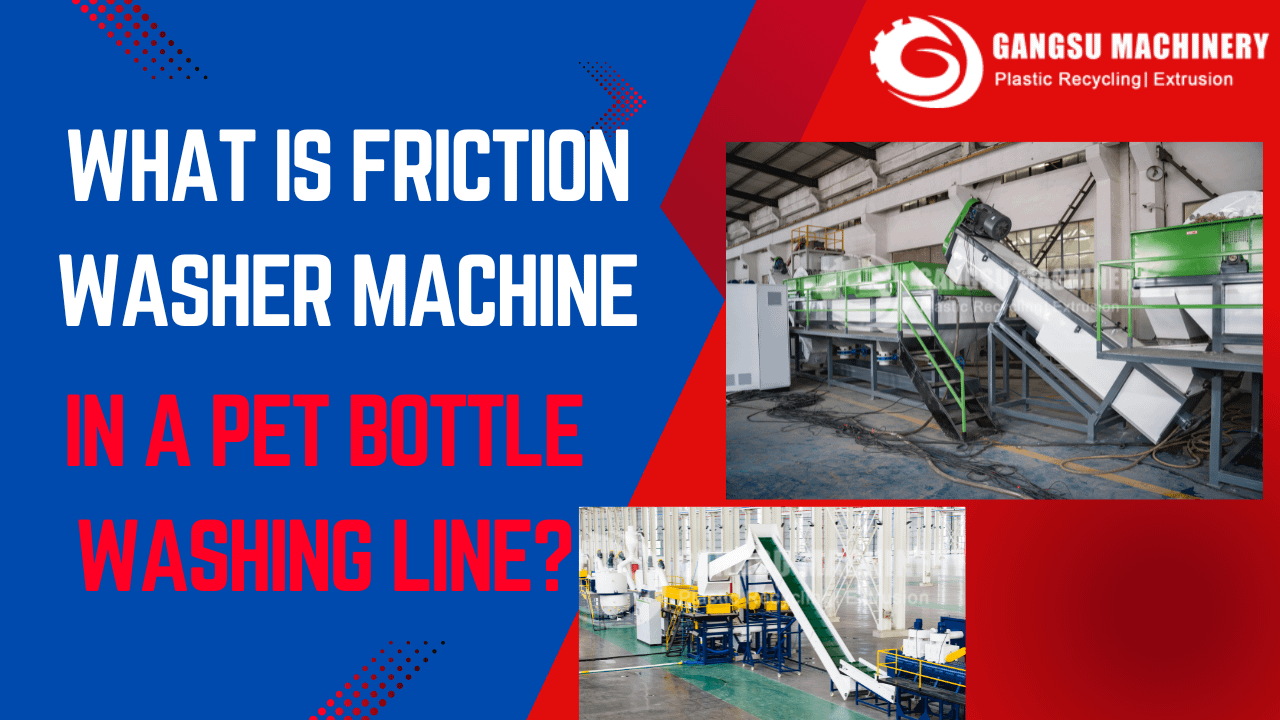
| Washing | Hot wash tanks, friction washers | Label residue, adhesives | Multi-stage washing cycles |
| Shredding | Granulators, shredders | Metal contaminants | Magnetic separators |
| Reprocessing | Extruders, pelletizers | Moisture content control | Vacuum drying systems |
Modern recycling plants achieve 90-95% material recovery rates2. One German facility processes 35,000 bottles per hour using laser sorting technology that identifies PET by its molecular signature.
What is the Process of Plastic Washing?
Dirty bottles enter, clean flakes exit – but what happens in between? The washing process is where most contaminants are removed, making it the most critical stage.
Plastic washing3 involves pre-washing, label removal, hot washing, and rinsing. Specialized detergents and mechanical action remove dirt, adhesives, and organic residues. The process typically reduces contamination from 15% to less than 0.5%.
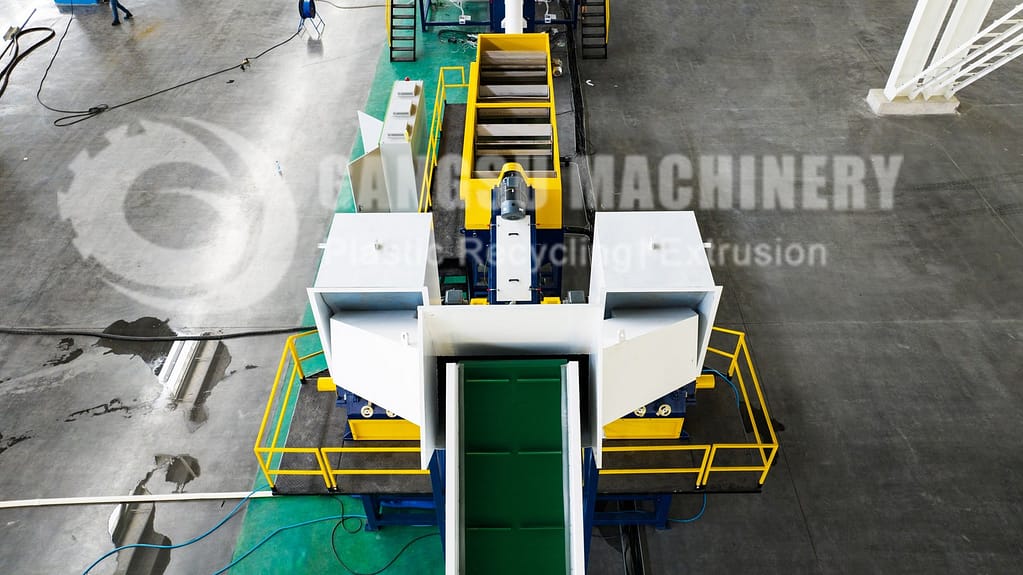
The Science Behind Clean Flakes
-
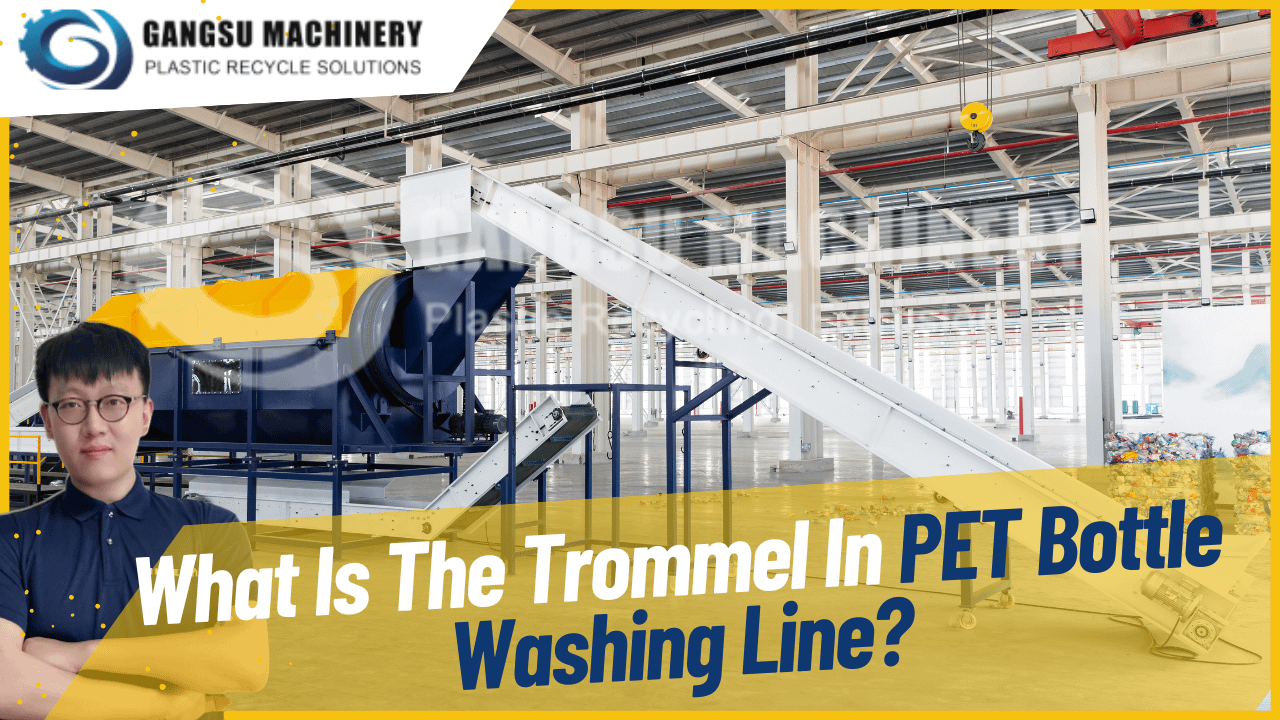
Pre-Washing
Removes loose dirt and debris using rotating drums with water spray. Reduces initial contamination by 40-60%. -
Label Removal4
Friction washers separate labels and caps through mechanical action. Modern systems recover 98% of adhesive residues. -
Hot Washing5
Alkaline solutions at 70-90°C dissolve organic contaminants. Typical dwell time: 15-25 minutes. -
Rinsing
Multiple fresh water cycles remove detergent residues. Conductivity monitoring ensures purity.
One Italian plant reduced water usage by 37% by implementing closed-loop water recycling systems with ultrafiltration.
What is the Process of Recycling Plastic Bottles?
From collection to final product, plastic bottle recycling6 is a marvel of modern engineering. Each step is designed to maximize material recovery and quality.
Plastic bottle recycling involves collection, sorting, shredding, washing, drying, and pelletizing. The process transforms used bottles into uniform pellets that manufacturers can use to create new products. Advanced facilities can process 10 tons of bottles per hour.
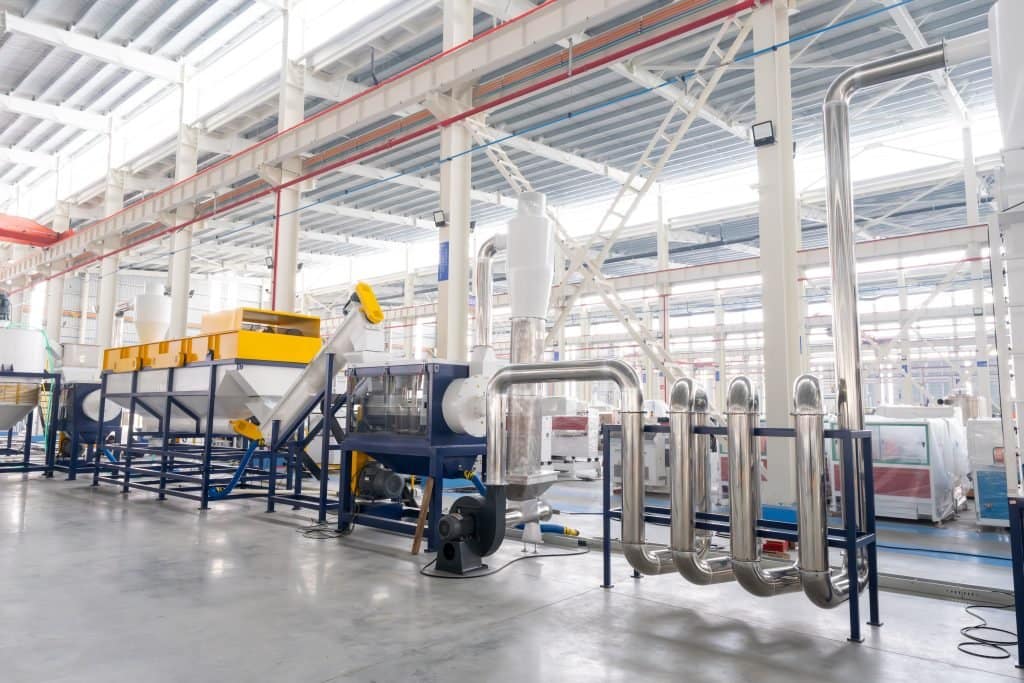
Key Process Parameters
| Parameter | Typical Value | Impact on Quality | Control Methods |
|---|---|---|---|
| Washing Temperature7 | 70-90°C | Removes organic contaminants | PID temperature control |
| Drying Moisture8 | <0.02% | Prevents degradation | Vacuum drying systems |
| Flake Size | 8-12mm | Optimizes extrusion | Screen classification |
| Throughput | 5-10 tons/hour | Determines plant capacity | Variable speed drives |
A Spanish recycler increased output quality by 23% by implementing real-time moisture monitoring and automated process adjustments.
Are PET Bottles 100% Recyclable?
While PET is highly recyclable, achieving 100% efficiency remains challenging due to material degradation9 and contamination10 issues.
PET bottles are theoretically 100% recyclable, but practical limitations reduce efficiency to 85-95%. Multiple recycling cycles degrade polymer chains, while contaminants like colored PET and metal residues affect material quality. Advanced sorting and washing technologies continue to improve recovery rates.
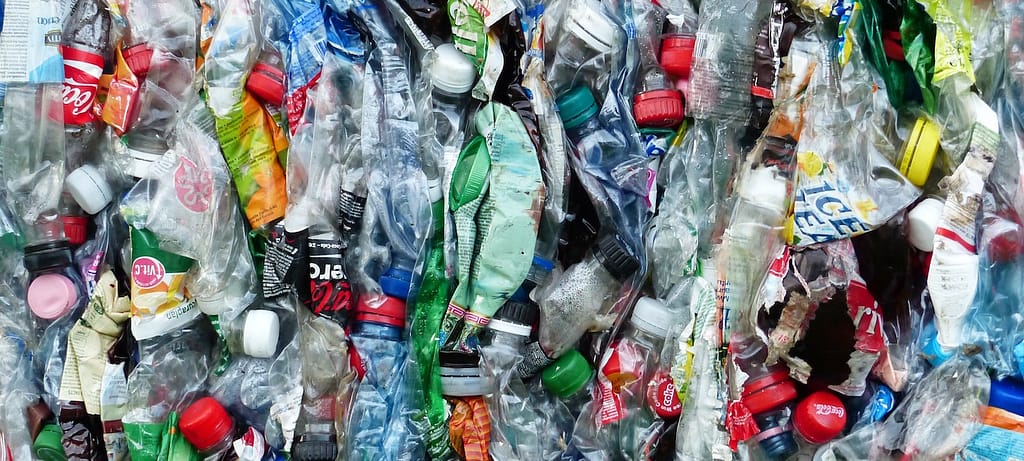
Factors Affecting Recyclability
-
Material Degradation
Each recycling cycle reduces molecular weight by 10-15%. After 5-7 cycles, PET becomes unsuitable for food-grade applications. -
Contamination
Colored PET, metal residues, and other plastics reduce recyclability. Modern optical sorters achieve 99% purity. -
Economic Factors
Collection rates and market demand affect practical recyclability. Some regions achieve 90%+ collection rates.
A Japanese facility developed a chemical recycling process that restores PET to virgin quality, potentially enabling infinite recycling.
What Chemical is Used to Wash PET Flakes?
The right cleaning chemistry makes the difference between high-quality flakes and contaminated material. Modern detergents are specially formulated for PET recycling.
PET flakes are typically washed using alkaline solutions (pH 10-12) containing sodium hydroxide11 or specialized detergents12. These chemicals remove organic contaminants and adhesives without damaging the PET. Modern formulations are biodegradable and work at lower temperatures.
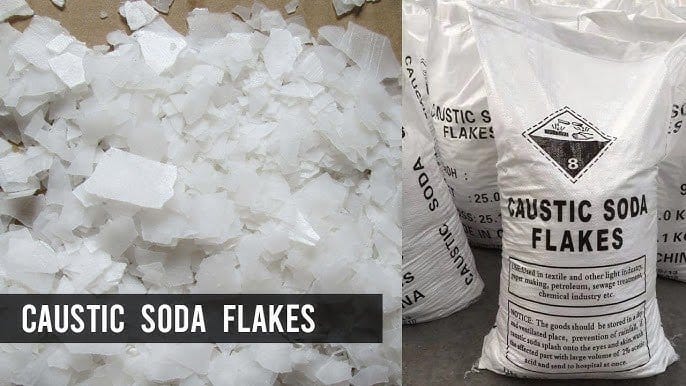
Chemical Cleaning Process
| Chemical | Concentration | Temperature | Dwell Time |
|---|---|---|---|
| Sodium Hydroxide | 2-5% | 70-85°C | 15-20 minutes |
| Specialized Detergent | 1-3% | 50-70°C | 10-15 minutes |
| Rinse Aid | 0.1-0.5% | Ambient | 2-5 minutes |
A Dutch recycler reduced chemical usage by 40% by implementing precise dosing systems and pH-controlled recirculation.
What is the Method of PET Recycling?
From mechanical to chemical processes, PET recycling methods1 continue to evolve. Each approach has unique advantages for different applications.
PET recycling methods include mechanical recycling2 (shredding, washing, pelletizing) and chemical recycling (depolymerization). Mechanical recycling is more common and cost-effective, while chemical recycling produces virgin-quality material. Advanced methods like glycolysis enable closed-loop recycling.
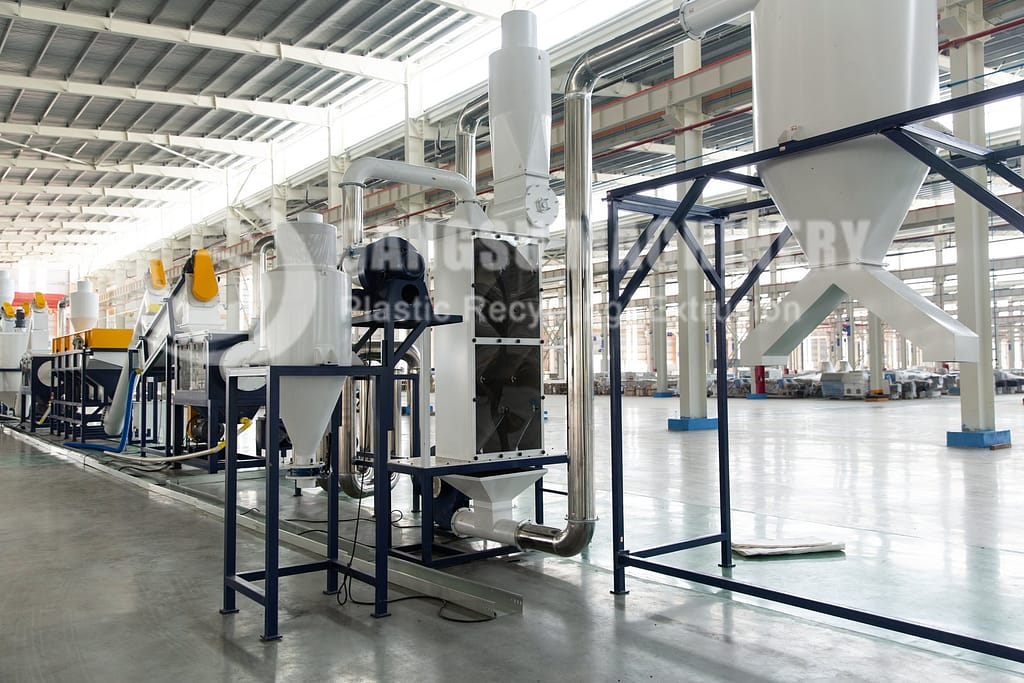
Comparison of Recycling Methods
| Method | Input Material | Output Quality | Energy Consumption |
|---|---|---|---|
| Mechanical Recycling | Post-consumer PET | Recycled PET pellets | 2-3 kWh/kg |
| Chemical Recycling | Contaminated PET | Virgin-quality PET | 5-8 kWh/kg |
| Glycolysis | Colored PET | BHET monomer | 4-6 kWh/kg |
A French company recently commercialized enzymatic PET recycling, achieving 90% depolymerization in 10 hours at 70°C.
Conclusion
PET bottle recycling is a sophisticated process that transforms waste into valuable resources. With advancing technologies, we’re moving closer to truly circular plastic economies.
-
Exploring this link will provide insights into the environmental and economic advantages of recycling PET bottles, enhancing your understanding of sustainability. ↩ ↩
-
Understanding material recovery rates can highlight the effectiveness of recycling processes and their impact on waste management. ↩ ↩
-
Understanding plastic washing is crucial for recycling efficiency and environmental impact. Explore this link to learn more about its significance. ↩
-
Label removal is vital for clean recycling. Learn about the techniques and technologies used to achieve high recovery rates. ↩
-
Hot washing is a key step in removing contaminants. Discover its importance and methods to enhance recycling processes. ↩
-
Exploring this resource will provide insights into the environmental and economic advantages of recycling plastic bottles, enhancing your understanding of its importance. ↩
-
This link will help you understand the critical role of washing temperature in ensuring the quality of recycled plastics, which is vital for effective recycling processes. ↩
-
Discover why controlling drying moisture is essential for maintaining the integrity of recycled materials, ensuring high-quality end products. ↩
-
Understanding material degradation is crucial for improving recycling efficiency and sustainability practices. ↩
-
Learn about contamination’s impact on recycling and how to mitigate its effects for better recovery rates. ↩
-
Explore how sodium hydroxide plays a crucial role in cleaning PET flakes effectively and safely. ↩
-
Learn about specialized detergents that enhance the cleaning process of PET flakes, ensuring high quality. ↩