Last month, a recycling plant in Riyadh contaminated 12 tons of PET flakes because their washing line couldn’t remove PVC labels. The result? $28,000 lost in rejected material.
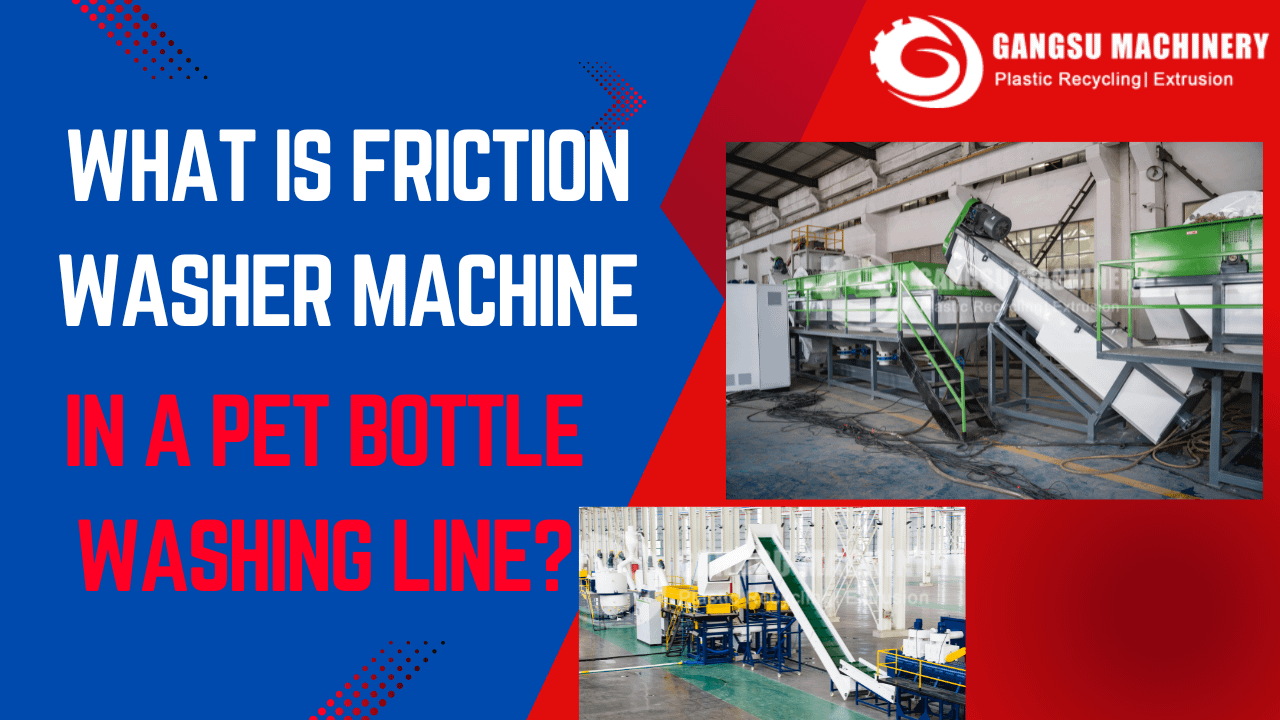
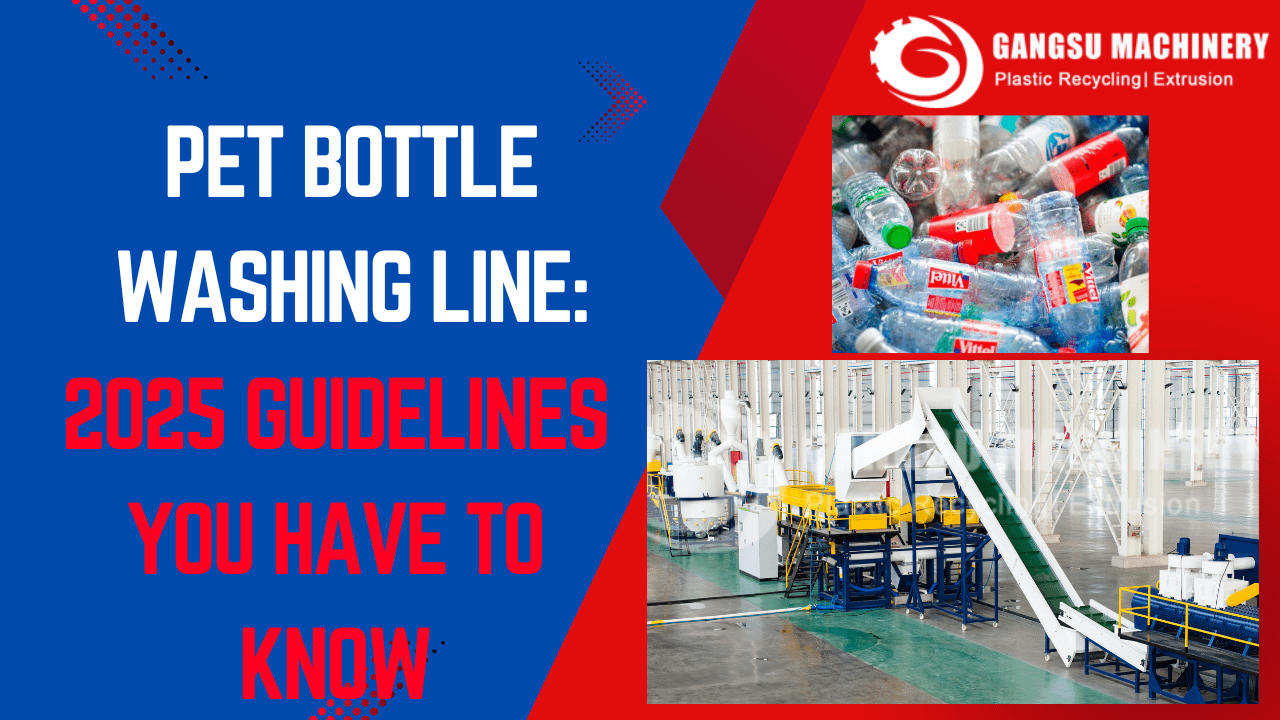
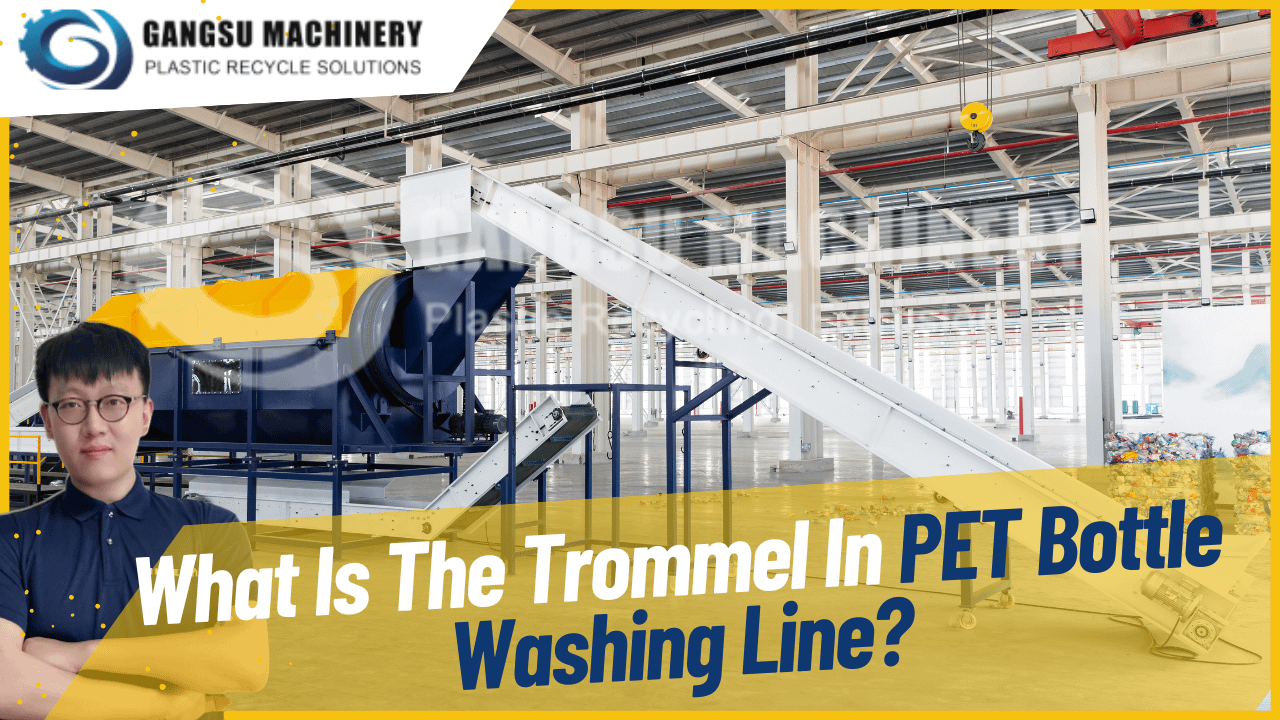
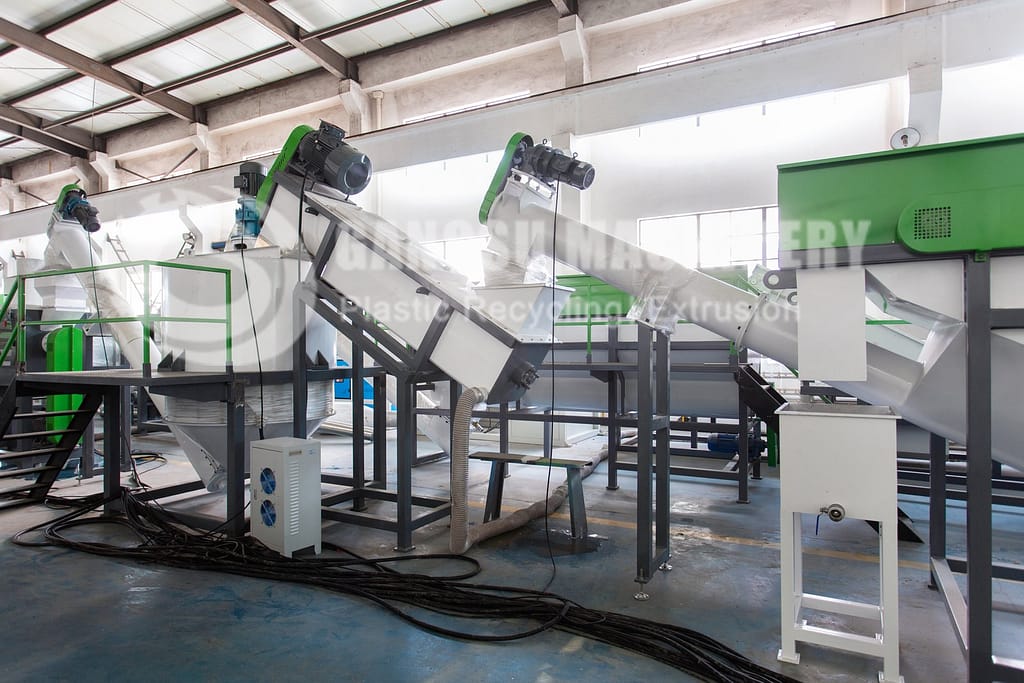
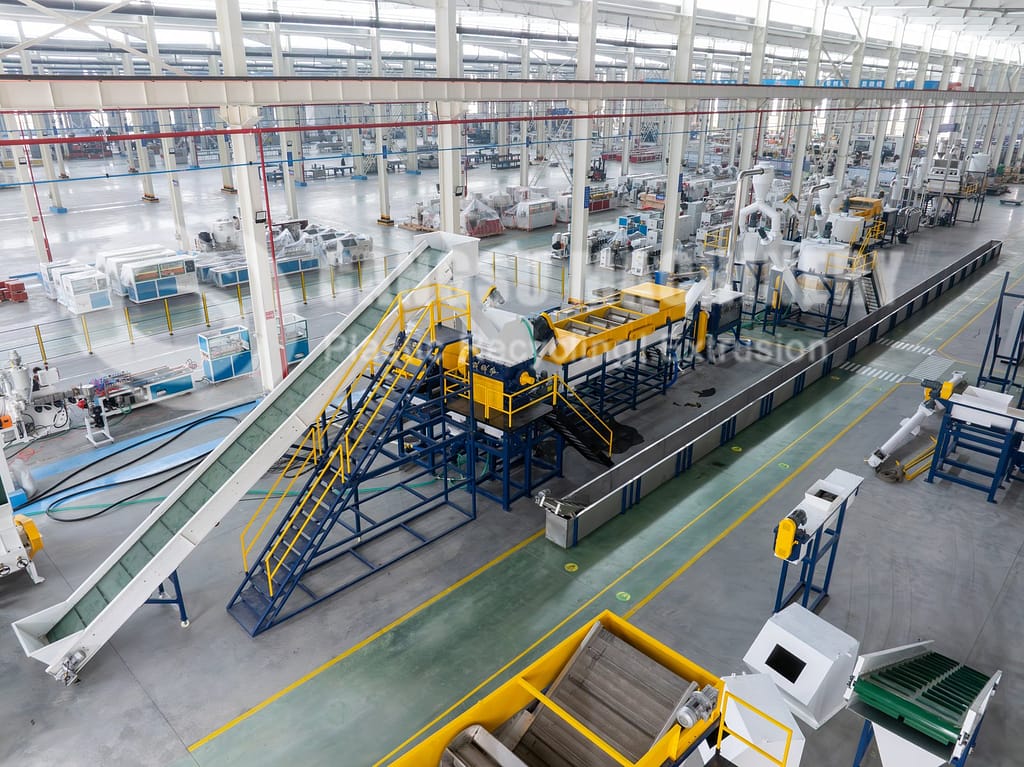
A complete PET bottle washing system requires six core machines: belt conveyor, label remover, crusher, hot washer, friction washer, and floatation tank. These work together to remove contaminants and produce 99.9% pure PET flakes ready for reprocessing.
Let me walk you through each component’s role, using real-world examples from Middle Eastern plants I’ve consulted with since 2018.
What Is a Bottle Washing Recycling System Used For?
A Jordanian recycler once sent me flakes with 8% paper residue – their washing system couldn’t handle juice bottle labels. Customers rejected entire shipments.
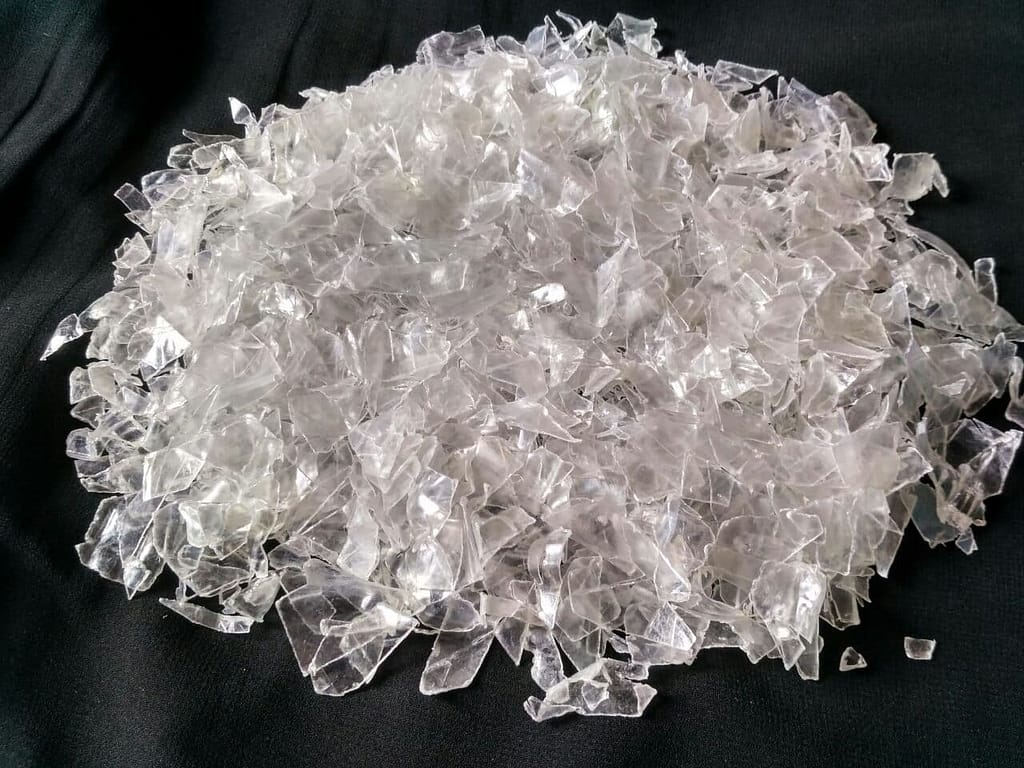
PET washing systems1 achieve three critical goals:
- Remove organic residues (food/drink)
- Separate non-PET materials (caps/labels)
- Eliminate microscopic contaminants
System Functions Breakdown
| Component | Contaminant Removed | Efficiency Rate | Common Failures |
|---|---|---|---|
| Hot Wash Tank | Glues/Oils | 98% | Temperature fluctuations |
| Floatation Tank | PVC/PS Labels | 99.5% | Incorrect water density |
| Friction Washer | Surface Impurities | 97% | Worn paddles |
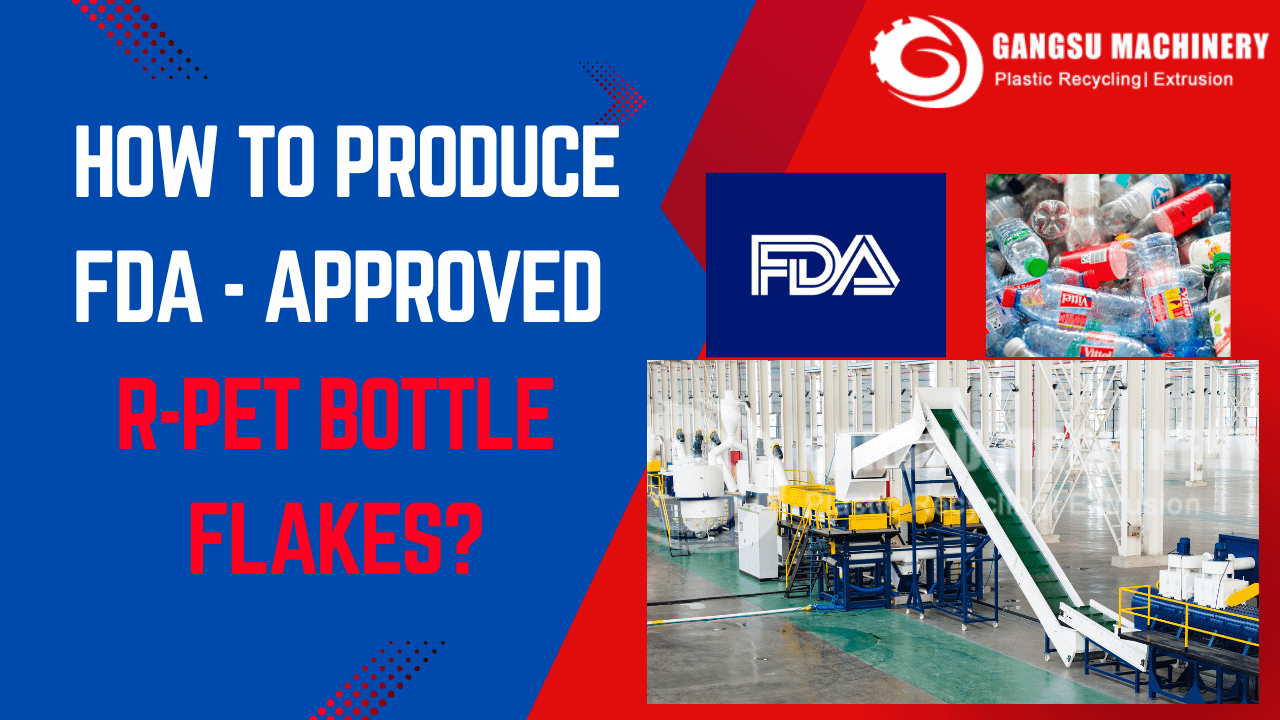
I recommend running pre-washed flakes2 through a metal detector – a Saudi client found 3kg of aluminum fragments in their monthly production. For food-grade PET, add a caustic soda wash3 (3-5% concentration) to eliminate bacterial biofilms.
Which Washing Processes Are Used for PET Bottles Recycling?
A Dubai plant reduced water usage by 40% after switching to counter-current washing4. Their seven-stage process now looks like this:
- Pre-wash: Removes 80% loose dirt
- Hot wash (85°C): Dissolves adhesives
- Friction wash: Scrubs surface impurities
- Rinse: Removes detergent residues
- Floatation: Separates floating contaminants
- Drying: Reduces moisture to <2%
- Optical sorting: Final purity check
Energy-Saving Modifications
| Traditional Method | Modern Upgrade | Cost Saving |
|---|---|---|
| Steam heating | Heat recovery systems | 35% energy reduction |
| Manual sorting | NIR optical sorters5 | 60% labor cost cut |
| Single-stage rinsing | Three-stage counter-current | 55% water saving |
Always install a water filtration loop6 – a Kuwaiti plant reuses 90% of their process water. For colored PET bottles, add a color sorter after crushing. I’ve seen mixed-color batches devalue by $220/ton compared to sorted material.
What Chemical Is Used to Wash PET Flakes?
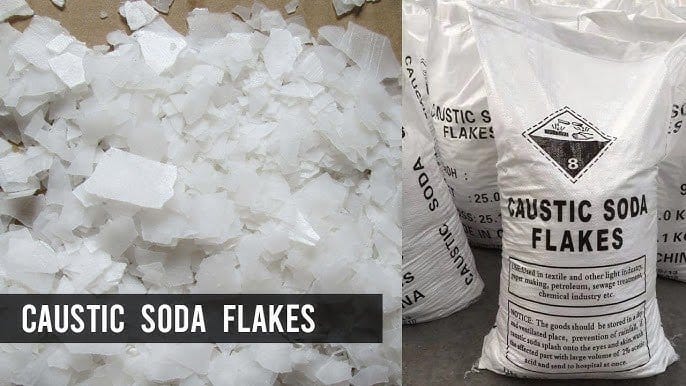
A common mistake: using 10% NaOH solutions that degrade PET. The optimal concentration is 2-4% at 75-85°C.
Key chemicals:
- Sodium hydroxide7 (label/adhesive removal)
- Detergents (oil/grease elimination)
- Anti-foaming agents (process stability)
Chemical Management Guide
| Chemical | Purpose | Dosage | Safety Measures |
|---|---|---|---|
| NaOH (2-4%) | Hydrolysis of glues | 50L/hour | pH neutralization system |
| H2O2 (1-3%) | Whitening | 15L/hour | Ventilation required |
| Citric Acid | Neutralization | Adjust to pH 7 | Corrosion-resistant tanks |
A Turkish recycler improved flake brightness by 18% using hydrogen peroxide baths. Always test chemical compatibility – some Asian plants ruined equipment by mixing incompatible detergents and NaOH.
What Other Types of Plastics Are Available in PET Bottles?
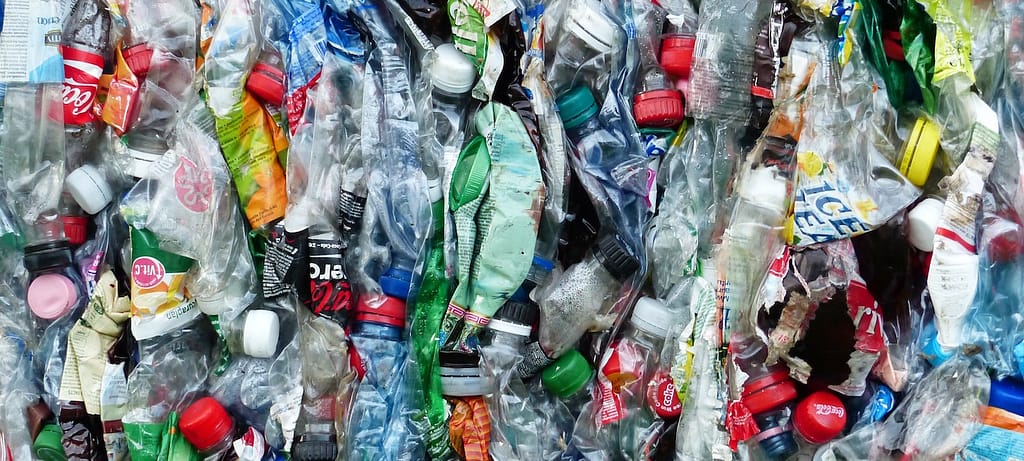
PET bottles8 contain up to 15% non-PET materials:
- HDPE caps9 (density 0.95g/cm³)
- PP labels (density 0.91g/cm³)
- PVC sleeves10 (density 1.38g/cm³)
- Aluminum seals
Contaminant Impact Analysis
| Material | Separation Method | Damage if Remained | Market Value Loss |
|---|---|---|---|
| HDPE | Floatation | Melt contamination | $150/ton deduction |
| PVC | Sink-float | Chlorine emissions | Entire batch rejection |
| Aluminum | Eddy current | Extruder damage | $2,000 repair cost |
I advise installing a laser marker detector – a Qatari plant prevented 460kg of PVC contamination last year. For caps, use compressed air separators after crushing. PP floats while PET sinks in specific density solutions.
How to Separate Other Plastics in PET Bottles from PET?
An Egyptian plant achieved 99.8% purity using this separation sequence:
- Air classifier (removes light films)
- Sink-float tank (1.35g/cm³ salt solution)
- NIR sorter11 (identifies polymer types)
- Eddy current (metal removal)

Separation Technology Comparison
| Method | Accuracy | Throughput | Cost | Best For |
|---|---|---|---|---|
| Sink-Float12 | 95% | 2ton/hour | $25,000 | Density-based separation |
| NIR Sorting | 99% | 4ton/hour | $180,000 | Polymer identification |
| Electrostatic13 | 85% | 1.5ton/hour | $75,000 | Mixed-color plastics |
| Hydrocyclone | 90% | 3ton/hour | $45,000 | Size/shape separation |
Always conduct a material audit first – a Omani client discovered 7% aluminum contamination they hadn’t accounted for. For mixed PET/HDPE streams, consider adding a friction washing stage to separate materials by friction coefficient.
Conclusion
Modern PET washing systems combine mechanical processing with smart separation technologies, transforming dirty bottles into premium-grade recyclables. Proper equipment selection directly impacts profitability and product quality.
-
Explore how PET washing systems enhance recycling efficiency and product quality, ensuring cleaner flakes for better market acceptance. ↩
-
Learn about the importance of metal detection in recycling to prevent contamination and ensure product safety in production. ↩
-
Discover the role of caustic soda in eliminating bacterial biofilms, crucial for maintaining food safety standards in recycled materials. ↩
-
Explore this link to understand how counter-current washing enhances efficiency and reduces water usage in recycling processes. ↩
-
Learn about NIR optical sorters and their role in improving sorting accuracy and reducing labor costs in recycling operations. ↩
-
Discover the advantages of implementing a water filtration loop to maximize water reuse and sustainability in recycling processes. ↩
-
Understanding Sodium hydroxide’s role can enhance your PET recycling process and improve efficiency. ↩
-
Explore the advantages of PET bottles, including their recyclability and lightweight nature, which make them a popular choice in packaging. ↩
-
Learn about HDPE caps, their properties, and applications in various industries, enhancing your understanding of packaging materials. ↩
-
Discover the environmental concerns associated with PVC sleeves and alternatives that can reduce plastic waste. ↩
-
Explore this link to understand how NIR sorting technology enhances plastic recycling efficiency and accuracy. ↩
-
Learn about the Sink-Float method to see how it effectively separates plastics based on density, crucial for recycling processes. ↩
-
Discover the principles of electrostatic separation and its applications in recycling mixed-color plastics, improving sustainability. ↩